
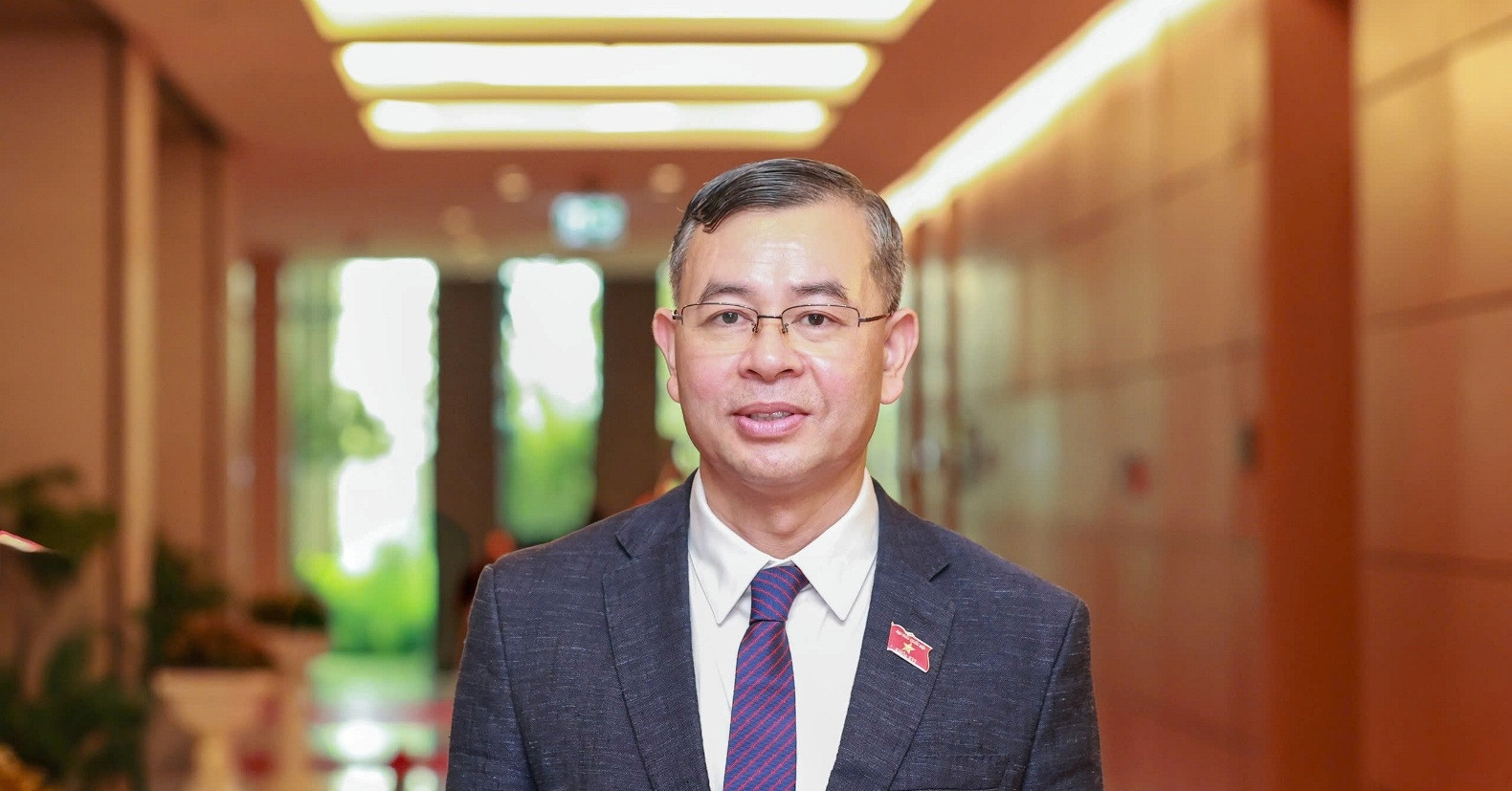
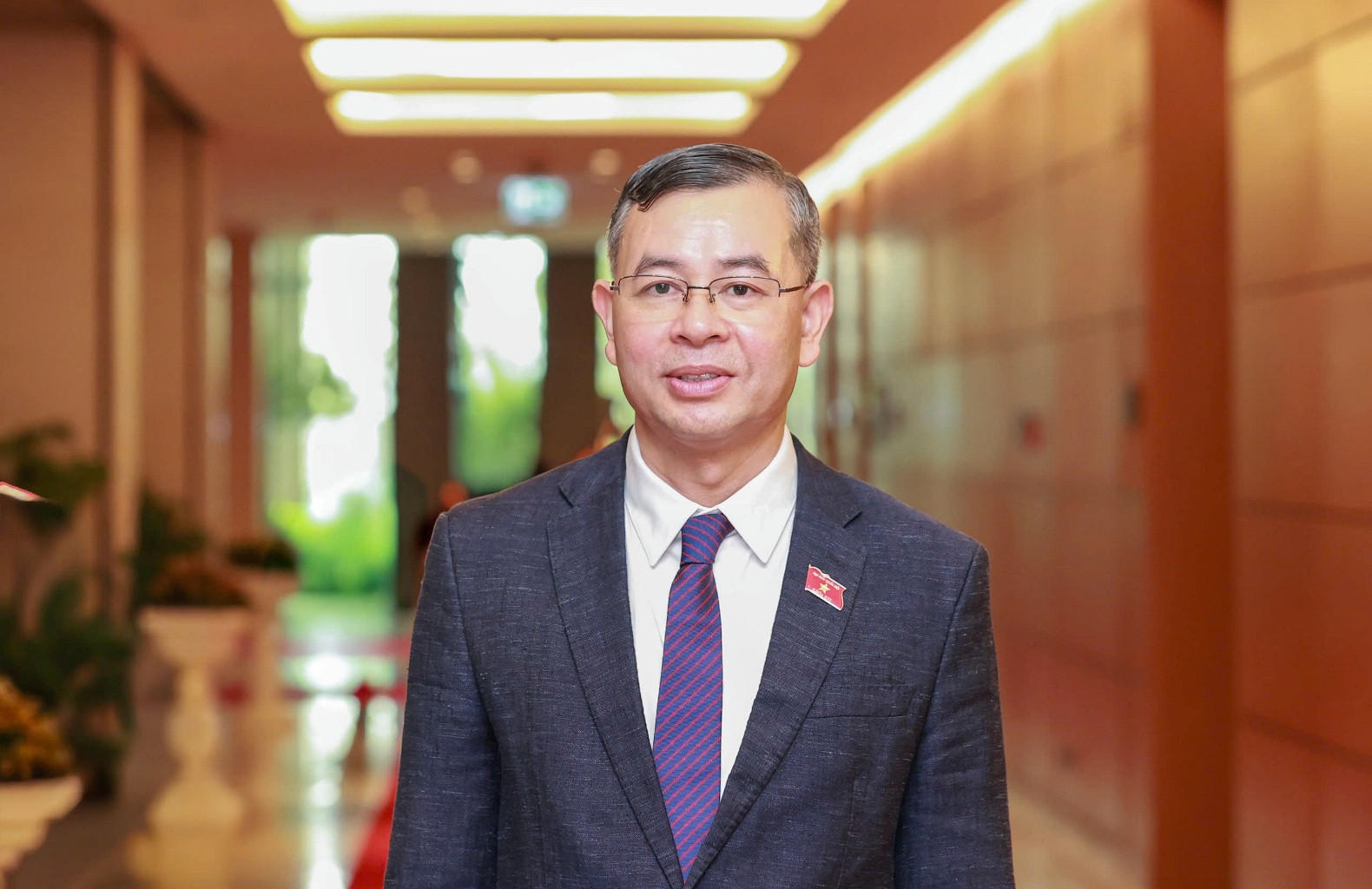
On April 8, Ngo Van Tuan was approved by the National Assembly as Minister of Finance for the 2026–2030 term.
Upon taking office, during the handover ceremony the same afternoon, the new minister emphasized that the goal of high economic growth in the coming years places substantial demands on the finance sector.
Taking the “hot seat” of the finance ministry, Ngo Van Tuan must tackle multiple major issues, particularly fiscal policy, public investment, and taxation, the core challenges that directly impact macroeconomic stability and growth targets.
The task is to accelerate disbursement while ensuring efficiency, avoiding fragmentation and waste, thereby creating momentum for growth.
Public investment
Can Van Luc, chief economist at BIDV, assessed that the 2026–2030 period will be crucial for fiscal policy as it must balance high growth targets with macroeconomic stability and major economic balances amid global uncertainties.
He stressed that fiscal policy should play a leading role, as it still has room for maneuver, while monetary policy space remains limited, at least in 2026–2027.
Regarding tax policy, it must ensure fairness, transparency, and openness, while flexibly reducing taxes and fees in difficult periods and sectors (such as VAT, personal income tax, corporate income tax, land rent, land use fees, and environmental taxes), while accurately stimulating demand through tax/fee reductions and establishing support funds for digital transformation, green transformation, energy, and labor.
Additionally, it is necessary to increase revenue collection from new business fields such as e-commerce and digital assets, while nurturing revenue sources from the household business sector and small and medium-sized enterprises. The effective implementation of amended tax laws and resolutions of the National Assembly and the Government is an important requirement.
Along with that, it is necessary to promote substantive digital transformation in the tax field, increase the speed of tax cash flow circulation, such as speeding up VAT refunds.
Regarding public investment, Luc said that Conclusion 18 of the 2nd Central Conference clearly stated the need to speed up disbursement while ensuring quality and reducing the ICOR (Incremental Capital Output Ratio) appropriately. According to him, the ratio of 4-4.5x is reasonable in 2026-2030.
“Particularly, public investment needs to be restructured. Currently, about 80 percent is concentrated in transport infrastructure, while essential sectors such as healthcare, education, culture, science and technology, digital transformation, green transition, energy, digital infrastructure, and climate adaptation remain underfunded,” he said.
Strong reform to create breakthroughs
Doctor Le Ba Chi Nhan, a respected economist, argued that for the goal of double-digit growth, public investment is no longer a regular budget expenditure component but must become a strategic lever, leading aggregate demand and elevating the aggregate supply of the economy.
According to him, the Ministry of Finance needs to act synchronously on three major pillars.
First, strongly shift the mindset from “expenditure management” to “strategic public investment cash flow governance.” Capital must flow according to execution capacity: places that disburse well and have high progress will be prioritized for capital transfer within the year, instead of waiting for year-end plan adjustments. The “capital follows results” mechanism will create positive pressure on ministries, sectors, and localities.
Second, fully digitize disbursement and project monitoring processes on real-time data platforms. From planning and payments to advances and final settlement, all information should be continuously updated, enabling the ministry to detect and resolve bottlenecks in land clearance, procedures, acceptance, and payment. In this model, the ministry would act not just as a “payer” but as a “conductor” of capital flows.
Third, link the accountability of leaders to disbursement progress, while directing seed capital toward high-impact sectors such as transport-logistics infrastructure, digital transformation, and energy. Each unit of public investment should not only drive short-term growth but also enhance long-term productivity and unlock private investment.
Regarding tax reform, Nhan proposed redesigning the entire tax process under the principle “businesses declare once, authorities use multiple times,” through deep data integration across e-invoices, customs, banks, social insurance, and business registration systems.
Manh Ha












Leave a comment