
Today’s ESG Updates
- EU Solidifies Shipping Levy Stance Ahead of UN talks: The bloc risks renewed clash with the Trump administration to secure a global carbon price after US-led resistance froze plans last year.
- Kazakhstan Secures Landmark Renewable Energy Investment: TotalEnergies finalizes $1.2bn investment in hybrid wind-battery system, aiming to support grid resilience and long-term clean power supply.
- IFC Targets $10 Billion a Year for India Investments by 2030: The World Bank’s private-sector arm will push capital into clean energy, urban infrastructure, and housing finance, cementing India’s position as a key investment hub.
- WMO Warns El Niño Could Arrive as Early as May: Climate models flag accelerated Pacific warming, pointing to a stronger-than-usual event developing by mid-2026 and impacting weather patterns across the globe.
EU countries rally to back shipping carbon tax, defying US opposition
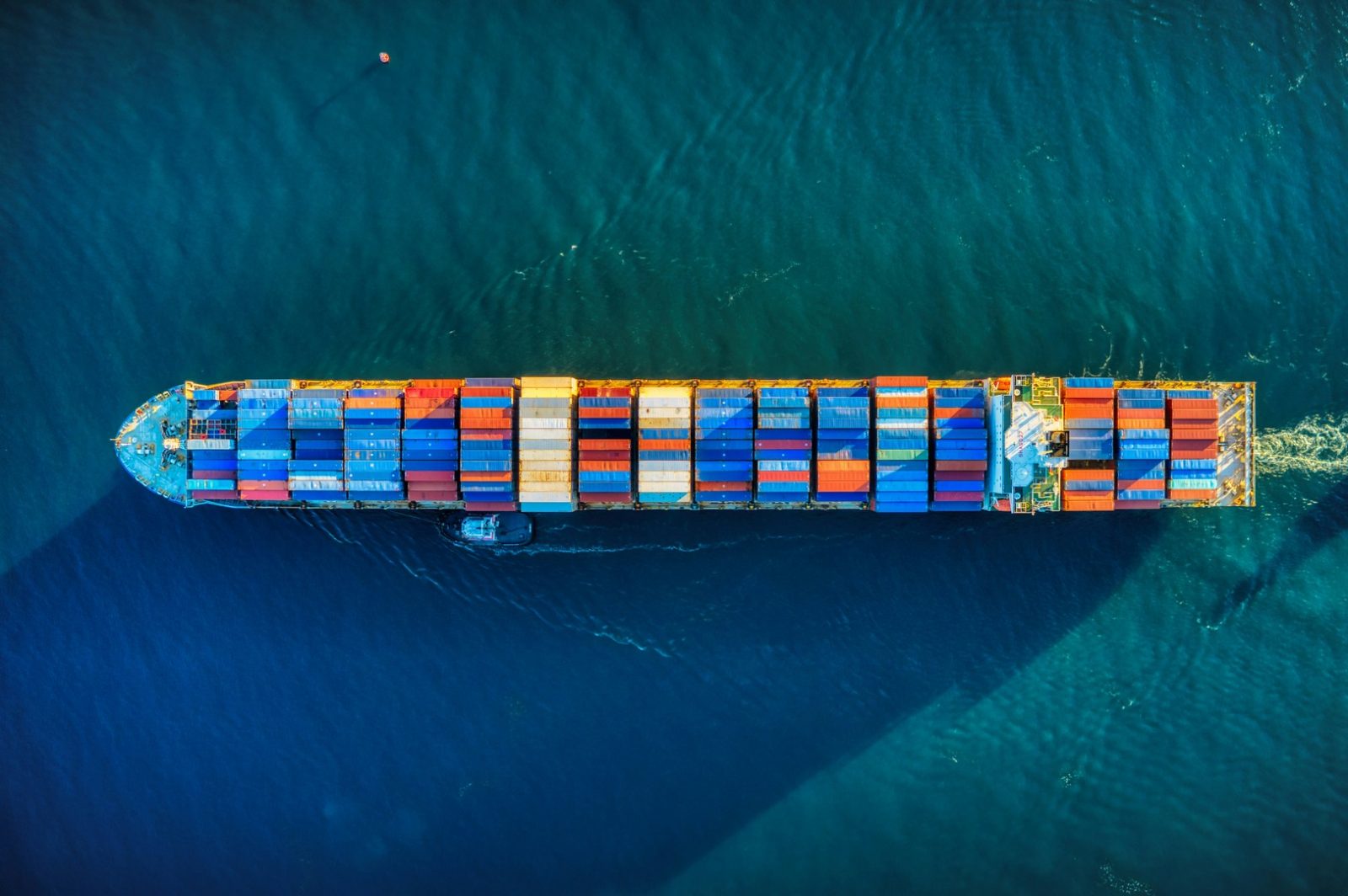
European Union member states solidified their negotiating position on Friday, committing to support a global carbon levy on shipping ahead of next week’s United Nations talks. This stance sets the bloc on a direct collision course with the United States, which has aggressively lobbied against the measure.
The International Maritime Organization (IMO) originally drafted a “Net-Zero Framework” (NZF) in April 2025, proposing a fuel standard and carbon pricing mechanism to eliminate emissions by 2050. However, a formal adoption vote in October 2025 collapsed after the United States and Saudi Arabia spearheaded a campaign to block the agreement. The decision was postponed for one year after failing to reach a consensus.
In a statement on Friday, EU countries said they would consider changes to the original framework if necessary to secure support. However, some EU officials remain pessimistic as to the possibility of compromise. Without a breakthrough, the maritime industry risks another year of regulatory paralysis.
***
Further reading: EU prepares to clash with US again over shipping carbon levy
Klimado – Navigating climate complexity just got easier. Klimado offers a user-friendly platform for tracking local and global environmental shifts, making it an essential tool for climate-aware individuals and organizations.
TotalEnergies greenlights landmark $1.2B renewable energy project in Kazakhstan
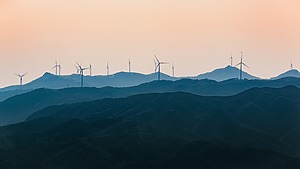
TotalEnergies finalized a $1.2 billion investment decision for the Mirny wind and battery storage project in Kazakhstan on Friday, marking one of the country’s largest renewable energy developments and its first grid-scale battery-backed wind project.
The Mirny development will combine a 1GW onshore wind farm of 150 turbines with a 600MWh battery energy storage system supplied by TotalEnergies affiliate Saft. The project is expected to generate 100TWh of renewable electricity over 25 years—enough to supply around one million people—and reach full capacity by 2029. The battery system is designed to improve grid stability and provide more reliable power to Kazakhstan’s national network.
Electricity from the site will be sold to the Kazakh government under a 25-year power purchase agreement signed in 2023, giving the project long-term revenue certainty and helping secure international financing. The investment supports Kazakhstan’s target of sourcing 15% of its electricity from renewables by 2030.
***
Further reading: TotalEnergies Backs $1.2B Kazakhstan Wind, Storage Project To Strengthen Grid And Scale Renewables
Related Articles
Here is a list of articles selected by our Editorial Board that have gained significant interest from the public:
IFC targets $10 billion a year for India investments by 2030

The International Finance Corporation (IFC) plans to raise its annual investments in India to $10 billion by 2030, nearly doubling current levels.
IFC, the private-sector arm of the World Bank Group, said annual investment in India rose to $5.4 billion in 2024/25 from $1.3 billion in 2021/22. India now accounts for a $10.3 billion portfolio across equity and debt, making it IFC’s biggest investment destination worldwide.
The lender is focusing on renewable energy, urban infrastructure, and financial services, backing companies including Manappuram Finance, Federal Bank, PNB Housing Finance, TVS Emerald, and Leap Agri Silos. More than a third of its India portfolio is in equity, underlining its preference for long-term capital deployment alongside lending.
IFC is also exploring municipal financing through investments in municipal bonds, which allow local governments to raise money for infrastructure such as roads, water systems, and wastewater treatment.
***
Further reading: World Bank’s IFC targets $10 bln in annual investments in India by 2030
WMO predicts an imminent and intensified El Niño arrival

The World Meteorological Organization (WMO) has warned that El Niño conditions could develop as early as May, with models pointing to a stronger-than-average event emerging in mid-2026.
El Niño is a phase of the El Niño–Southern Oscillation (ENSO), defined by abnormal warming of sea surface temperatures in the central and eastern equatorial Pacific. This shift disrupts atmospheric circulation, altering rainfall and wind patterns worldwide.
With Pacific Ocean indicators showing a rapid shift from neutral conditions, the UN agency declared “high confidence” in the onset of El Niño, but qualified that forecasts are more reliable after the spring period. It added that early signals point to a potentially particularly “strong” event.
Typically, El Niño triggers extreme weather disparities: heavy rainfall and flooding in the southern United States and South America, contrasted with severe droughts in Australia, Indonesia, and parts of southern Asia.
***
Further reading: El Niño set to return as early as May, impacting global weather patterns, UN weather agency says
Editor’s Note: The opinions expressed here by the authors are their own, not those of impakter.com — In the Cover Photo: Large container ship traverses the ocean as regulatory stalemate over maritime emissions persists. Cover Photo Credit: Venti Views












Leave a comment