
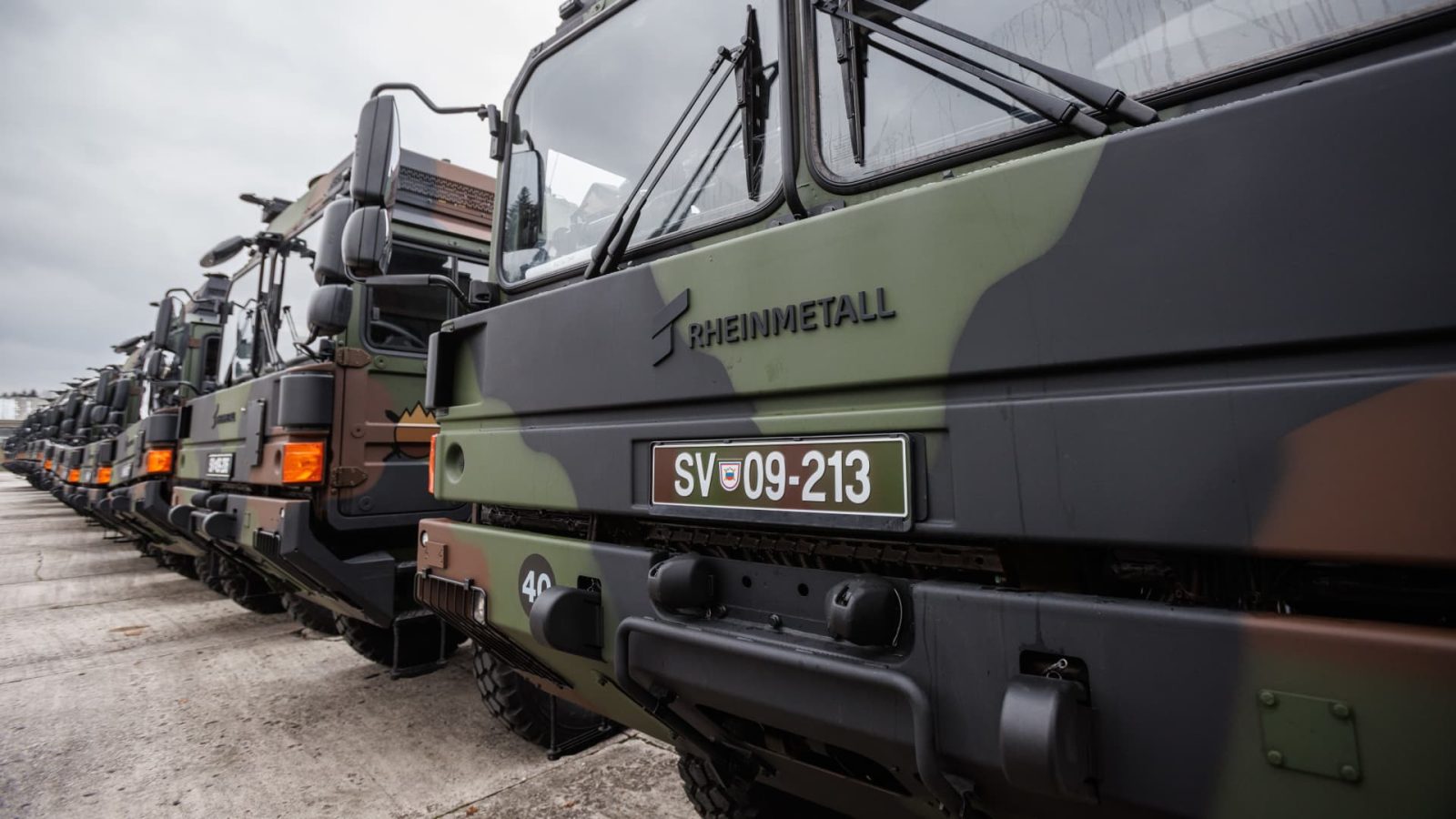
German Rheinmetall MAN tactical military transport vehicles parked in the Edvard Peperko military barracks.
Luka Dakskobler | Lightrocket | Getty Images
European defense stocks enjoyed a bumper 2025, fueled by a sharp increase in state military spending targets in response to growing geopolitical instability.
This year, however, the sector’s fortunes have plateaued somewhat, with the Stoxx Europe Aerospace & Defence index down 1.2% year-to-date, compared with a 4.8% return in the broader Stoxx 600 index.
But analysts see 2026 as a period of consolidation for the sector, in which bullishness over Europe’s increased defense spending is replaced by greater scrutiny of individual companies’ performance and fundamentals.
“Investors are becoming very picky and very selective,” said Loredana Muharremi, equity analyst at Morningstar.
“What investors want to see now are earnings and cash flows, and we believe that we’re going to see some upside towards the second part of the year when the orders come, when the down payments from governments come, when the deliveries come — but it will definitely take a while for stock prices to get back to where they were.”
Shares of defense companies initially held up well after the U.S. and Israel launched attacks on Iran on Feb. 28, as concerns emerged that the conflict would escalate into a full-blown war engulfing the entire Middle East region.

But since then, gains for the industry’s biggest names have been muted. Vehicles such as the WisdomTree Europe Defence ETF and the iShares Europe Defence ETF, as well as the more globally-tilted VanEck Defense ETF, all sit below their pre-war levels.
Sentiment weakened further in the spring after a set of underwhelming first-quarter earnings reports. Missed earnings estimates from industry bellwether Rheinmetall led investors to start questioning the potential for further upside in the sector, amid lofty valuations.
Rheinmetall‘s eye-watering 400% gain over the past 3 years, and 150% gain across 2025, is an example of investor sentiment pricing for more years of sustained growth.
“When shares are trading on such high multiples and such high growth is already baked in, it’s hard to work out exactly the right multiple to value Rheinmetall,” Matthew Dorset, equity research analyst at Quilter Cheviot, told CNBC over the phone.
Dorset also sees potential for companies to struggle to adapt to the dynamic nature of warfare and its changing equipment needs as a factor that could hold back the industry in the future.
“Which products are going to be used in five or ten years?” he added.
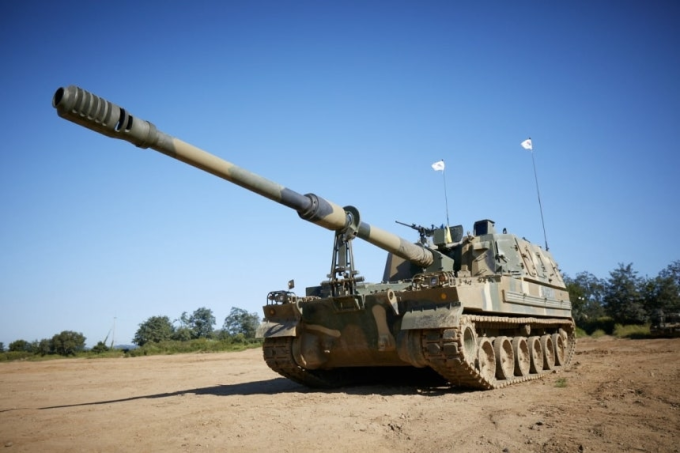
“One of the lessons from Ukraine is that it’s clearly a drone and counter-drone war, a very static war. Do we actually need that many land vehicles, tanks and artillery?”
Morningstar’s Muharremi said companies that are more diversified in their product offering, particularly those with a strong suite of electronic components, will fare better than companies that are predominantly land-based.
Tailwinds ahead
There may be further tailwinds to come from the broader geopolitical environment, albeit on a smaller scale. European defense stocks rallied on Thursday and Friday after Ukraine’s parliament ratified a 90 billion-euro ($104.6 billion) loan agreement with the EU.
Reuters reported on Thursday that Zelenskyy and Swedish Prime Minister Ulf Kristersson will jointly announce an agreement to provide Ukraine with Gripen fighter jets, citing an anonymous source.
The pair signed a letter of intent last October that could see Sweden sell as many as 150 Saab Gripen fighter jets to Ukraine.
Saab topped the Stoxx 600, with the Swedish fighter jet maker closing the day 7.4% higher.
German tank parts maker Renk advanced 5.4%, while France’s Exail Technologies and Germany’s Rheinmetall popped 13.2% and 4.2%, respectively.











Leave a comment