
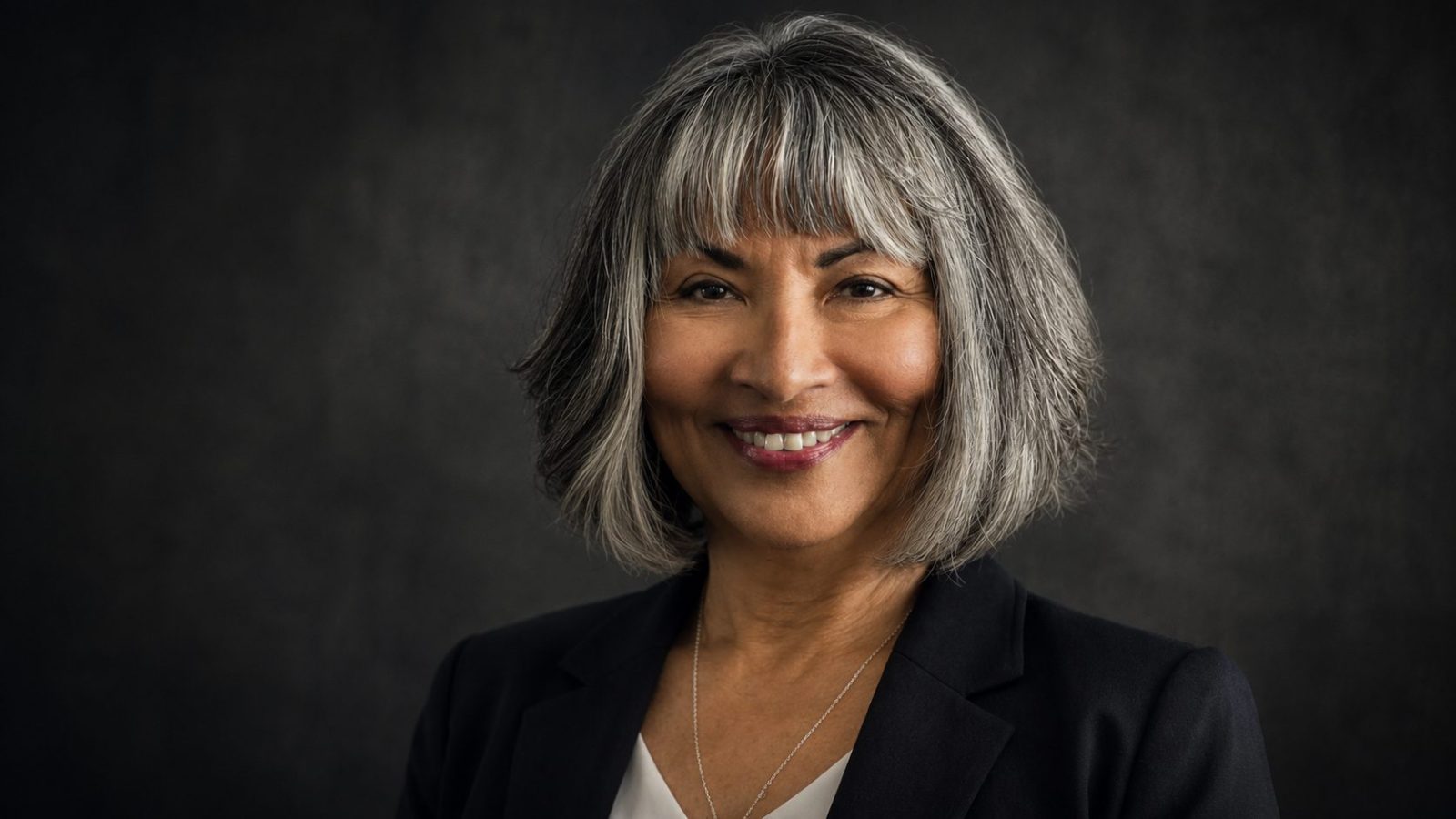

Debbye Tyler
United Real Estate has appointed veteran broker and former brokerage owner Debbye Tyler as designated managing broker of United Real Estate Chicago, strengthening local leadership as brokerages increasingly compete on agent productivity, training, and technology adoption rather than traditional commission structures alone.
Tyler brings 37 years of industry experience to the role, including time as a top-producing agent and owner of a boutique brokerage. Her appointment comes as real estate firms across the country adapt to shifting market conditions, regulatory changes, and evolving agent expectations around support, technology, and business development.
The move reflects a broader trend in residential real estate, where brokerages are investing heavily in leadership focused on coaching, operational systems, and agent retention. As transaction volumes fluctuate and competition for productive agents intensifies, firms are increasingly differentiating themselves through training platforms, business development resources, and technology-enabled productivity tools.
United Real Estate President Rick Haase said Tyler’s experience navigating multiple housing cycles makes her well positioned to help agents build sustainable businesses regardless of market conditions. Her focus will include business planning, operational discipline, compliance, relationship-building, and agent development—areas that have become increasingly important as the industry undergoes structural change.
Tyler’s mandate extends beyond agent support. She is also expected to help expand United Real Estate’s market presence across the Chicago region, leveraging the company’s technology infrastructure and recruiting platform to grow agent count and market share.
The appointment aligns with United’s broader strategy of pairing local brokerage leadership with centralized technology and operational resources. A key component of that strategy is Bullseye AI, the company’s proprietary productivity platform, which combines customer relationship management, marketing, training, and business intelligence tools. Technology-enabled brokerage models have become a focal point across the industry as firms seek ways to improve agent efficiency and profitability.
The timing is notable for the real estate sector. Brokerages continue to adjust to changing commission practices, affordability challenges, and slower transaction activity in many markets. In response, many firms are emphasizing education, compliance, and productivity systems designed to help agents operate more effectively in a more competitive environment.
Tyler said her leadership approach will focus on helping agents build confidence through consistent business practices, mentorship, and long-term planning. Her emphasis on sustainable growth rather than short-term transaction cycles reflects a growing industry focus on agent durability and career development.
For United Real Estate, the appointment reinforces a strategy centered on scaling through agent support and technology rather than traditional office expansion alone. As brokerage competition increasingly shifts toward recruiting and retention, experienced market leaders who can connect training, culture, and technology are becoming critical to growth.
The move also strengthens United’s position in one of the nation’s largest and most competitive housing markets, where brokerages continue to compete aggressively for agents, market share, and consumer visibility in a rapidly evolving real estate landscape.










Leave a comment