
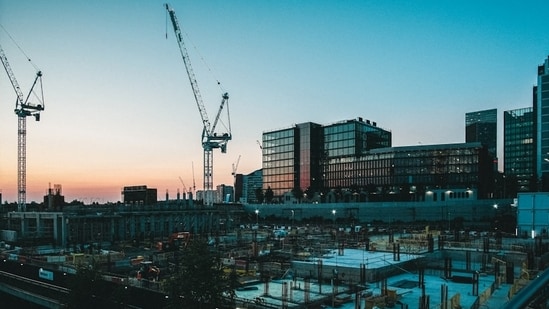
For India’s real estate sector, which has been grappling with elevated construction and logistics costs, the US-Iran peace deal has raised hopes of cost stability. Experts say the agreement could help stabilise construction costs, though any relief is likely to be gradual rather than immediate.

The US-Iran war had triggered a sharp rise in input costs, with developers estimating that construction expenses increased by as much as 25% amid soaring fuel prices, shipping disruptions, supply-chain bottlenecks, labour migration, and higher prices for key materials such as steel, aluminium, and electrical equipment.
A durable peace and the uninterrupted movement of cargo through the Strait of Hormuz could help cool global oil and commodity prices, easing some of the inflationary pressures that have weighed on project costs over the past several months. Lower fuel prices would not only reduce transportation costs but also improve supply chain efficiency, helping developers manage costs more effectively and protect project margins, say real estate experts.
The peace deal and the opening of the Strait of Hormuz will help moderate oil and commodity prices and ease inflation in key building materials. This should gradually ease developers’ input costs, although supply chain normalisation may take a few more months to fully reflect on the ground, they said.
Beyond construction economics, greater stability in the Gulf region could also have a positive ripple effect on housing demand in India. A large share of Indian expatriates working in the Middle East are active participants in the country’s residential property market, and improved economic confidence in the region could support investment flows into Indian real estate, they said.
Developers caution against expecting an immediate reset
That said, developers caution against expecting an immediate reset. While softer crude prices may provide near-term relief, the sector continues to contend with broader cost pressures, including labour availability, financing costs and material price volatility. Any meaningful reduction in construction costs is likely to emerge gradually as supply chains stabilise and the benefits of lower energy prices work their way through the system, they said.
“A lasting, favourable peace coming out of this deal will help stabilise construction costs. The war had pushed these costs up by as much as 25% due to soaring fuel prices, shipping disruptions, and higher prices for steel, aluminium, and electrical materials. The peace deal and the opening of the Strait of Hormuz will help moderate oil and commodity prices and ease inflation in key building materials. This should gradually ease developers’ input costs, although it could take a few more months for supply chain normalisation to fully reflect on the ground,” said Anuj Puri, chairman, ANAROCK Group.
Vimal Nadar, National Director and Head, Research at Colliers India, concurs. Recent developments around the US-Iran deal augur well for global economic stability and certainty. Potential long-term peace in the region can translate into recovery gains across economic sectors for countries, including India, by smoothing supply-side constraints and easing material availability.
“Positive effects of a gradual decline in crude oil prices and timely availability of construction materials over the course of the next few months could benefit sectors such as real estate. In fact, sentiment in the housing market is bound to improve with the likely easing of construction costs, provided current supply constraints ease significantly. Moreover, lasting stability in the region can further strengthen remittance inflows to India, bolstering real estate demand in key markets such as Kerala,” he said.
Will demand from NRIs improve going forward?
The demand from NRIs, who account for 15-25% of investments in newly launched projects, had shifted to a wait-and-watch mode during the US-Iran war.
“The peace deal will boost confidence and gradually funnel capital back into Indian premium and luxury housing in cities like Mumbai, Bengaluru and Gurugram. Improved sentiment and possible RBI rate cuts on lower inflation will also boost NRI purchase decisions across mid and luxury segments,” said Puri.










Leave a comment