
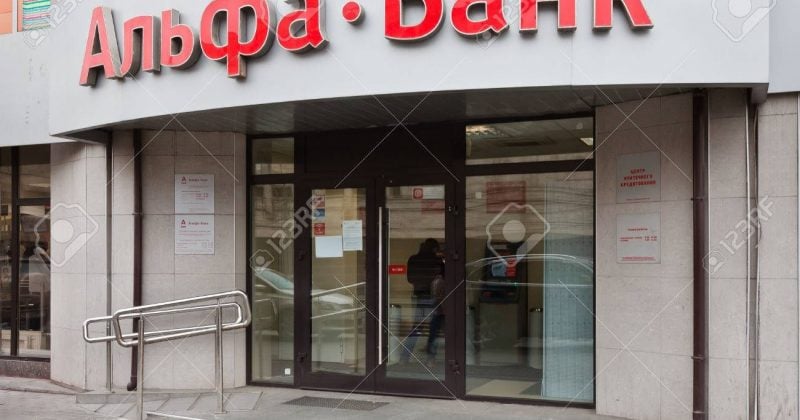
Russia’s biggest private bank just stepped into the crypto ring. Alfa-Bank has begun testing cryptocurrency trading for a select group of qualified investors through its Alfa-Investments brokerage app, offering access to Bitcoin, Ethereum, Tether, and other major digital assets.
The testing phase is deliberately narrow. Only qualified investors, a regulatory designation in Russia that typically requires meeting certain wealth or experience thresholds, can participate right now.
Alfa-Bank’s ambitions extend well beyond a pilot, though. The bank is planning a comprehensive retail launch by 2026, complete with digital depositories and ruble exchange gateways. That timeline hinges on Russia finalizing its regulatory framework for crypto, with new rules allowing banks to offer crypto products to qualified investors expected to take effect around July 1, 2026.
The bank isn’t starting from scratch, either. Its A-Token platform for digital financial assets launched back in February 2023 and has already processed 86 digital financial asset issuances worth RUB 37.5 billion. That figure represents roughly 45% of Russia’s entire DFA transaction volume for 2023. Now Alfa-Bank wants to layer actual cryptocurrency trading on top of that existing infrastructure and position itself as a regulated digital custodian for both individual and corporate clients.
Alfa-Bank isn’t the only Russian financial institution eyeing the crypto prize. Sberbank, Russia’s largest bank overall, has its own plans to launch a crypto wallet and depository by December 2026. VTB, another major state-connected lender, is similarly accelerating its digital asset offerings.
Experts have flagged a sobering reality check: meaningful liquidity in Russia’s newly regulated crypto market probably won’t materialize until late 2027 at the earliest. So the banks are building the pipes now, but the water won’t flow freely for a while.
Russia’s regulatory approach to crypto appears designed to thread a needle: creating domestic infrastructure that brings digital assets under state oversight while potentially opening alternative channels for international commerce, given that Western sanctions imposed since 2022 have complicated Russia’s access to global financial systems.









Leave a comment