
- Good news that demands more ambition
- The automotive sector: industrial success, but not yet a full victory
- Green energy: a historic opportunity or a simple corridor to Europe
- Beware of the euphoria of mega-projects
- The new frontier: retaining value
- The real test will come in ten years
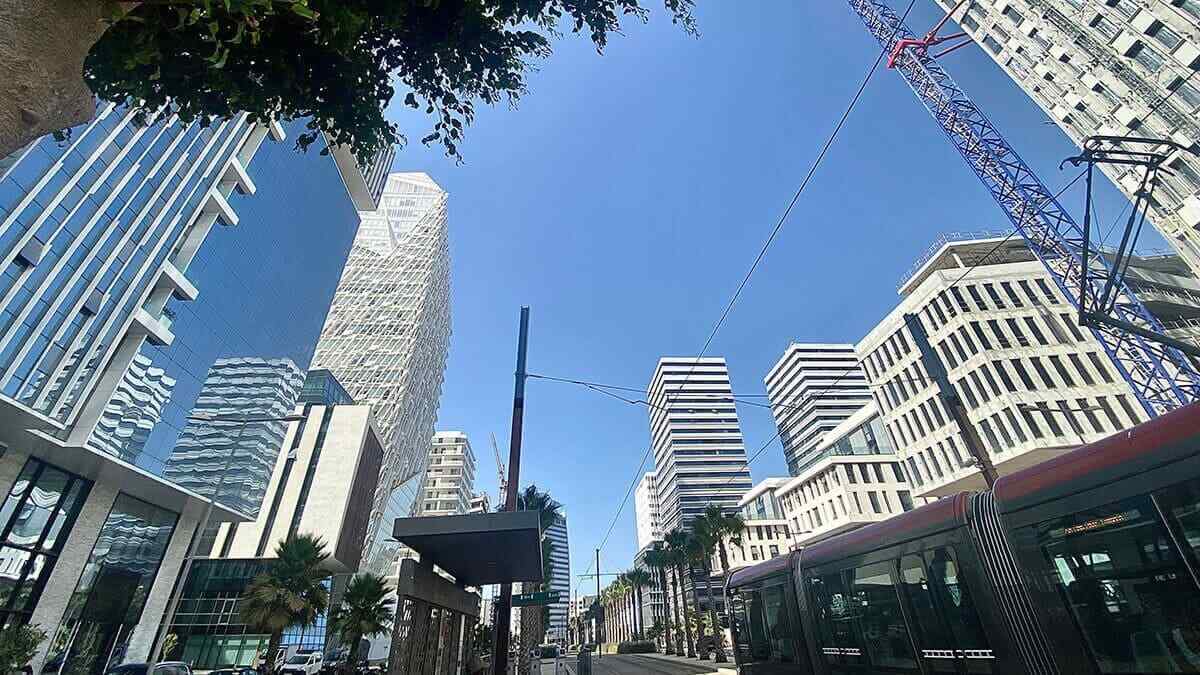
The figure is impressive, and rightly so. In a world where international investment moves with greater caution, Morocco stands out as a positive exception. Foreign direct investment flows grew strongly in 2025, positioning the country prominently within the new industrial geography. This is no accident. Behind it lie ports, roads, industrial zones, trade agreements, relative stability, and a strategy that, despite its breakthroughs and limits, has provided continuity to sectors such as automotive, manufacturing, and renewable energies.
Key data: according to UNCTAD, Morocco captured 3.338 billion dollars in FDI in 2025, compared to 1.748 billion in 2024. The FDI stock reached 80.8 billion dollars. This is a remarkable figure; however, the debate begins when we ask what portion of this investment is converted into local value.
But it is worth saying this without dampening the enthusiasm: celebrating the arrival of capital is not enough. FDI on its own does not equal development. It can be a formidable accelerator, but it can also remain a shiny statistic if it fails to generate skilled employment, local suppliers, technology, tax revenues, net exports, and domestic productive capacity. The real debate is not whether Morocco attracts investment. It has already proven that. The serious debate is how much value it manages to retain.
Good news that demands more ambition
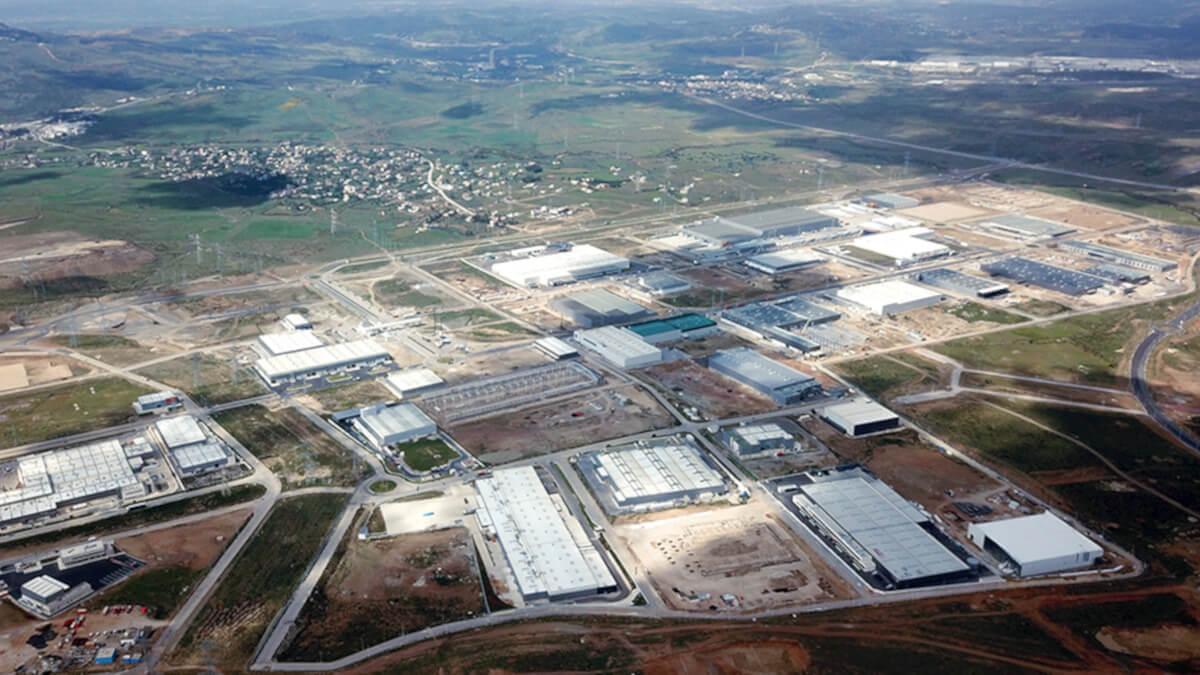
For years, a large part of Moroccan economic discourse relied on the need to “sell” the country to foreign investors. Today, the conversation must shift. Morocco no longer presents itself solely as a destination with cost-competitive advantages. It presents itself as an industrial, logistical, and energy hub. Tanger Med is not just a port; it is an infrastructure that converted geography into an economic advantage. The automotive industry is not merely an assembly chain; it is an ecosystem that has allowed the country to move from basic outsourcing to more complex segments.
This evolution is real. UNCTAD highlights Morocco’s progress in the electric vehicle value chains and batteries. It also points out that this influx does not stem from an isolated measure, but from an accumulation of industrial policies, training programs, free zones, and a network of suppliers built over more than two decades. This matters: countries do not climb the value chain by decree. They do so through persistence, correction, and execution.
However, having won credibility, the country must negotiate from a more demanding position. Not every foreign project has the same effect on the national economy. A plant that imports almost all its inputs, makes decisions abroad, conducts research abroad, and buys little locally does not have the same impact as a project that trains technicians, integrates SMEs, establishes engineering capabilities, and develops Moroccan suppliers. The difference between the two might not make the headlines, but it defines the quality of development.
Useful FDI is not that which simply enters; it is that which transforms. The question should not only be how much capital we capture, but what national capabilities we build with it.
The automotive sector: industrial success, but not yet a full victory
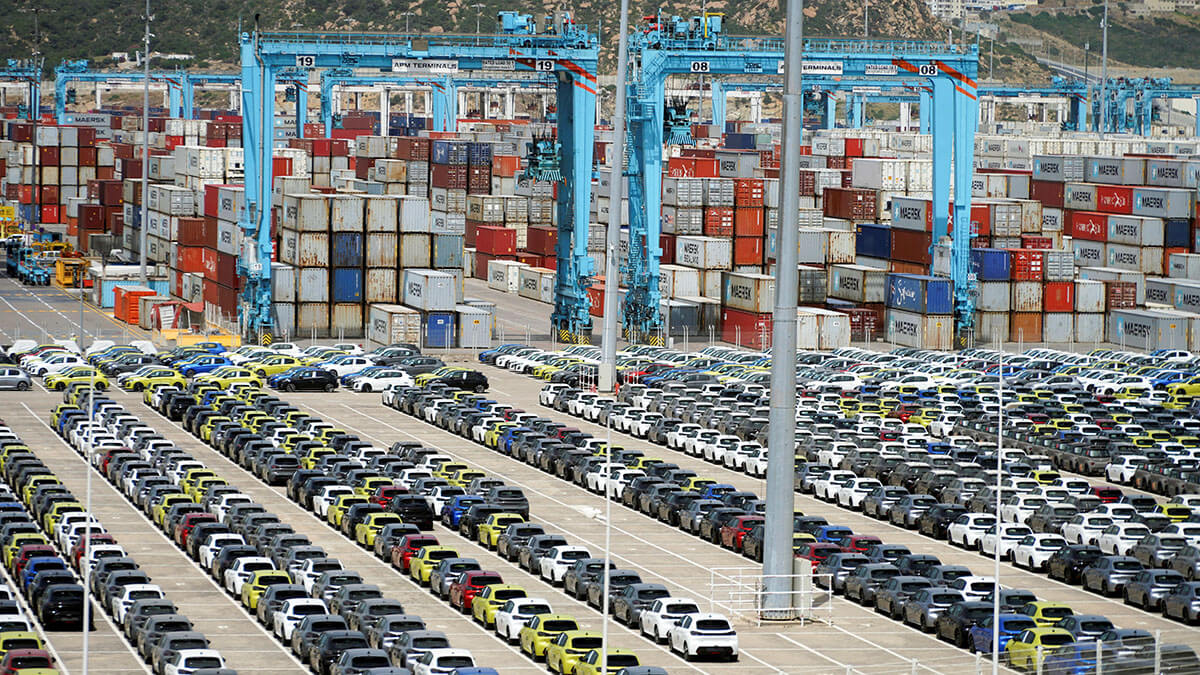
The automotive sector is probably the best proof that Morocco can execute a sectoral strategy. Renault, Stellantis, international suppliers, industrial train lines to Tanger Med, and the emergence of battery-related projects have changed the country’s productive profile. This should not be minimized. Few African countries have managed to build a comparable export base in such a short time.
Yet, success raises an uncomfortable question: where is the most profitable part of the chain captured? Producing more vehicles is important; designing, certifying, programming, researching, and decision-making are also critical. If Morocco wants to make the next leap, it must accurately measure real local content, the place of national SMEs in supply chains, the weight of local engineering, and the capacity to foster first- and second-tier Moroccan suppliers.
Without this, the risk is becoming an efficient, even admired, but still dependent hub. A platform that produces, exports, and employs in large volumes, but continues to wait for technology, critical designs, and strategic decisions to come from abroad. This model can generate growth; it does not always generate productive sovereignty.

Green energy: a historic opportunity or a simple corridor to Europe
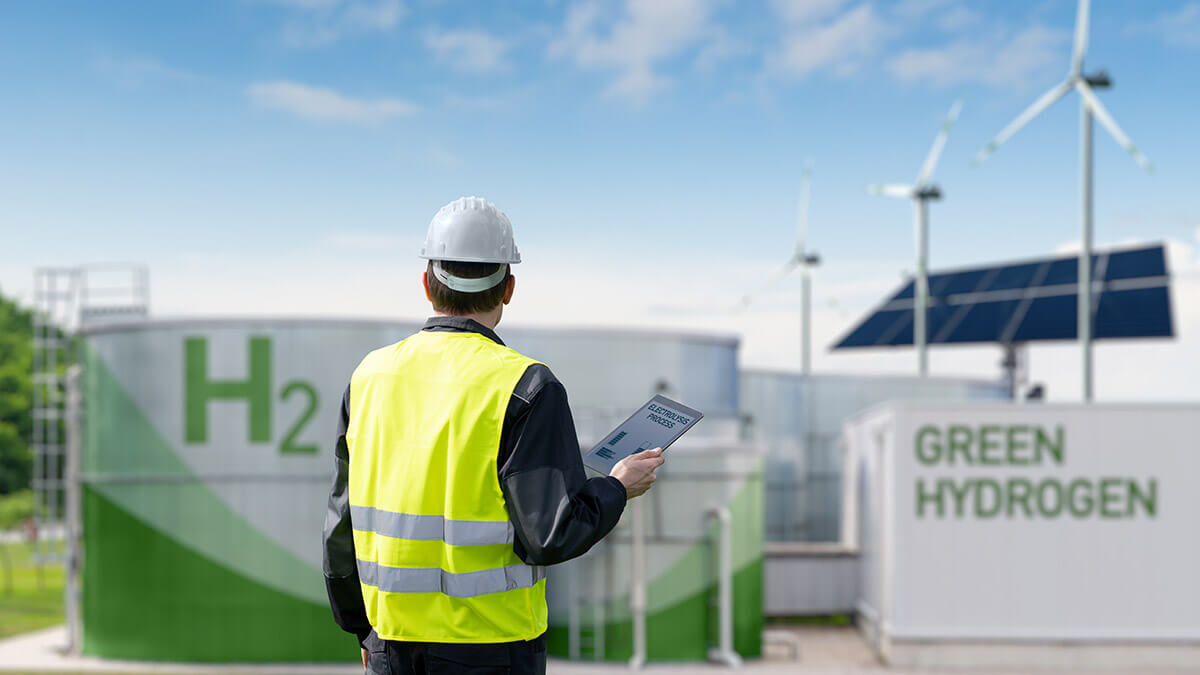
The energy transition offers Morocco a second major window of opportunity. The country possesses sun, wind, location, and a strategic relationship with Europe. Interconnection projects, ambitions in green hydrogen, and the use of renewable energy to power cleaner industries position the Kingdom at a key point in the new industrial competition.
But here, too, we must avoid easy narratives. Being a producer of green energy does not automatically make you a green industrial power. Morocco must not limit itself to exporting clean electrons or molecules to decarbonize foreign industries. It must use this energy as a competitive leverage to industrialize: batteries, storage, electrical components, green chemistry, materials, data centers, industrial desalination, and clean energy-intensive processes.
The priority should not just be connecting Morocco to Europe, but connecting Moroccan energy with Moroccan industry. If green electricity becomes an export commodity before it acts as a driver of local competitiveness, the country will have missed a significant part of the opportunity.
Beware of the euphoria of mega-projects
The progression in 2025 must also be read with caution because major projects can distort an annual statistical record. A single major announcement can move the indicator.
This does not diminish the country’s merit, but it obliges us to look beyond the aggregate figure. We must distinguish between announced investments and actual investments, between acquisitions and new productive greenfield projects, between gross and net flows, and between intra-group loans and equity capital that builds new capacity.
Economic communication prefers large amounts. Analysis must look at the effects. How many sustainable jobs? How much training? How many local purchases? What is the tax contribution after incentives? How many Moroccan SMEs scale up thanks to these establishments? This is the qualitative scoreboard that is still missing from the public debate.
The new frontier: retaining value
Morocco needs to keep attracting investment. It would be absurd to argue otherwise. But it must do so under a clearer doctrine: every public incentive must be tied to a measurable economic counterpart. Local integration, training, R&D, purchases from Moroccan suppliers, skilled employment, regional functions, and the transfer of methods and standards—these are the real indicators of success.
The country must move from a logic of attraction to a logic of absorption. Attracting is convincing the investor to come. Absorbing is ensuring that their presence transforms the national economic fabric. This is harder and less visible in the media, but far more decisive.
An interesting sign is the growth of Moroccan investments abroad. Companies expanding outside the Kingdom show that the country does not want to limit itself to receiving capital; it is also beginning to project its own economic players. Here too, the challenge is to keep decision-making centers, skills, financing, engineering, and strategic functions in Morocco.

The real test will come in ten years
The performance in 2025 confirms one thing: Morocco has entered the map of serious global investment destinations. It is no longer seen solely as a consumer market, but as an industrial, logistical, and energy link. This is a significant step forward.
However, the real verdict will not be delivered by the 2025 figures. It will come in ten years. Will Morocco have more solid industrial suppliers? More locally mastered technologies? More engineers in decision-making roles? More patents, design centers, export brands, and national champions?
If the answer is yes, then the surge in FDI will have been much more than a statistical success: it will have been a lever of national transformation. If the answer is no, we will have attracted capital without sufficiently changing our position in the global value chain.
Morocco attracts. This is good news. Now it must retain, diffuse, and make that value bear fruit. That is where the real work begins.








Leave a comment