
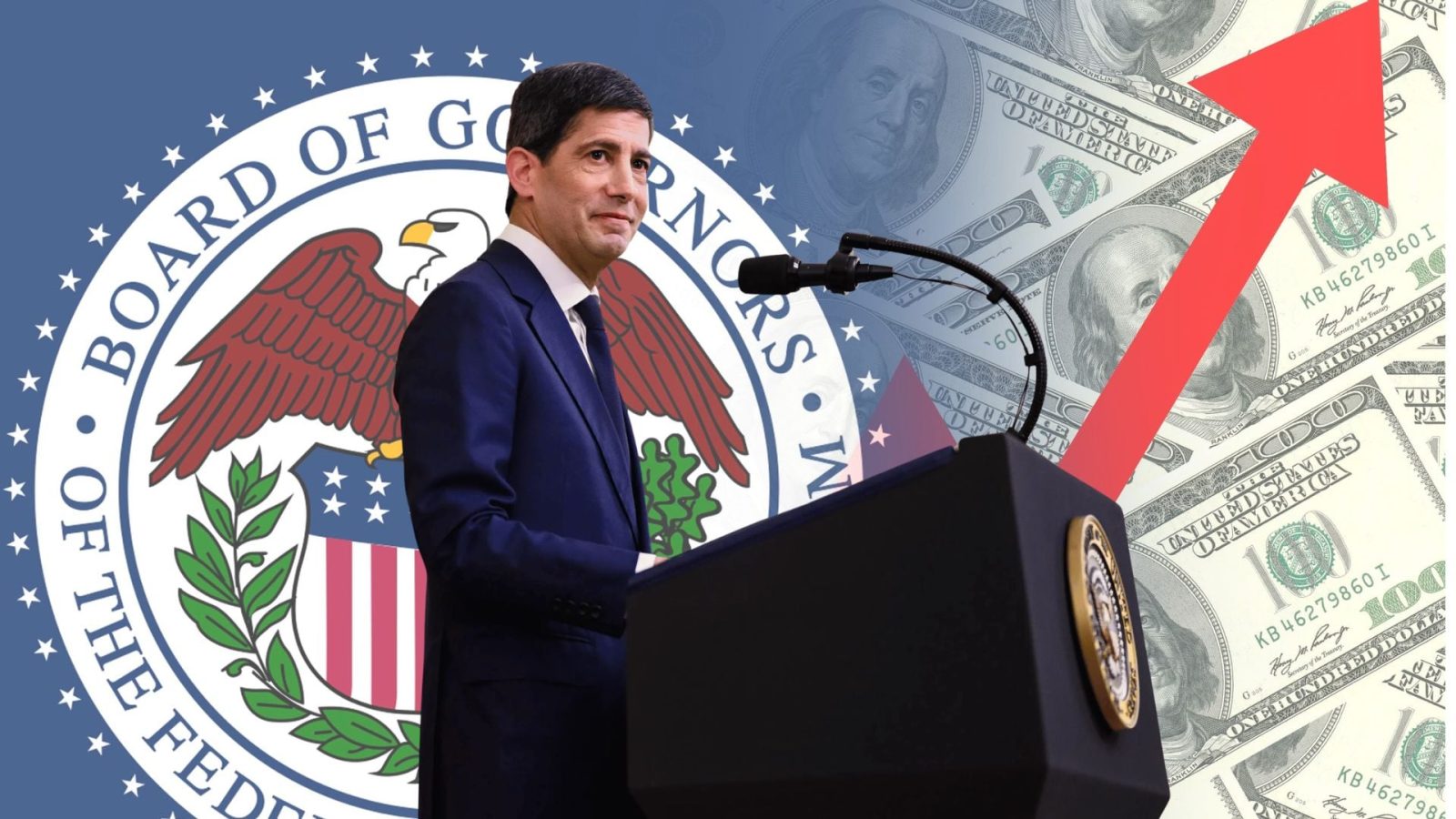
Kevin Warsh told Congress on Tuesday that the Federal Reserve doesn’t want to bail out anybody, and that includes crypto. That sounds like bad news for the leading cryptocurrencies, including Bitcoin (CRYPTO:BTC), Ethereum (CRYPTO:ETH), and XRP (CRYPTO:XRP), all of which have fallen a long way from their peaks. Bitcoin trades near $64,600, roughly half of what it was worth last October, so the last thing holders needed was the Fed chairman saying nobody is coming to help.
However, that warning was never really aimed at these coins. The Fed has no way to rescue cryptocurrencies, and it was never going to. What Warsh does control is interest rates, and that is what has pushed Bitcoin, Ethereum, and XRP around all year. He walked into that hearing hours after a soft inflation report and refused to call it a win. His next rate decision comes on July 28, and that is the one that will actually move these coins.
What Warsh Actually Told Congress About Bailing Out Crypto
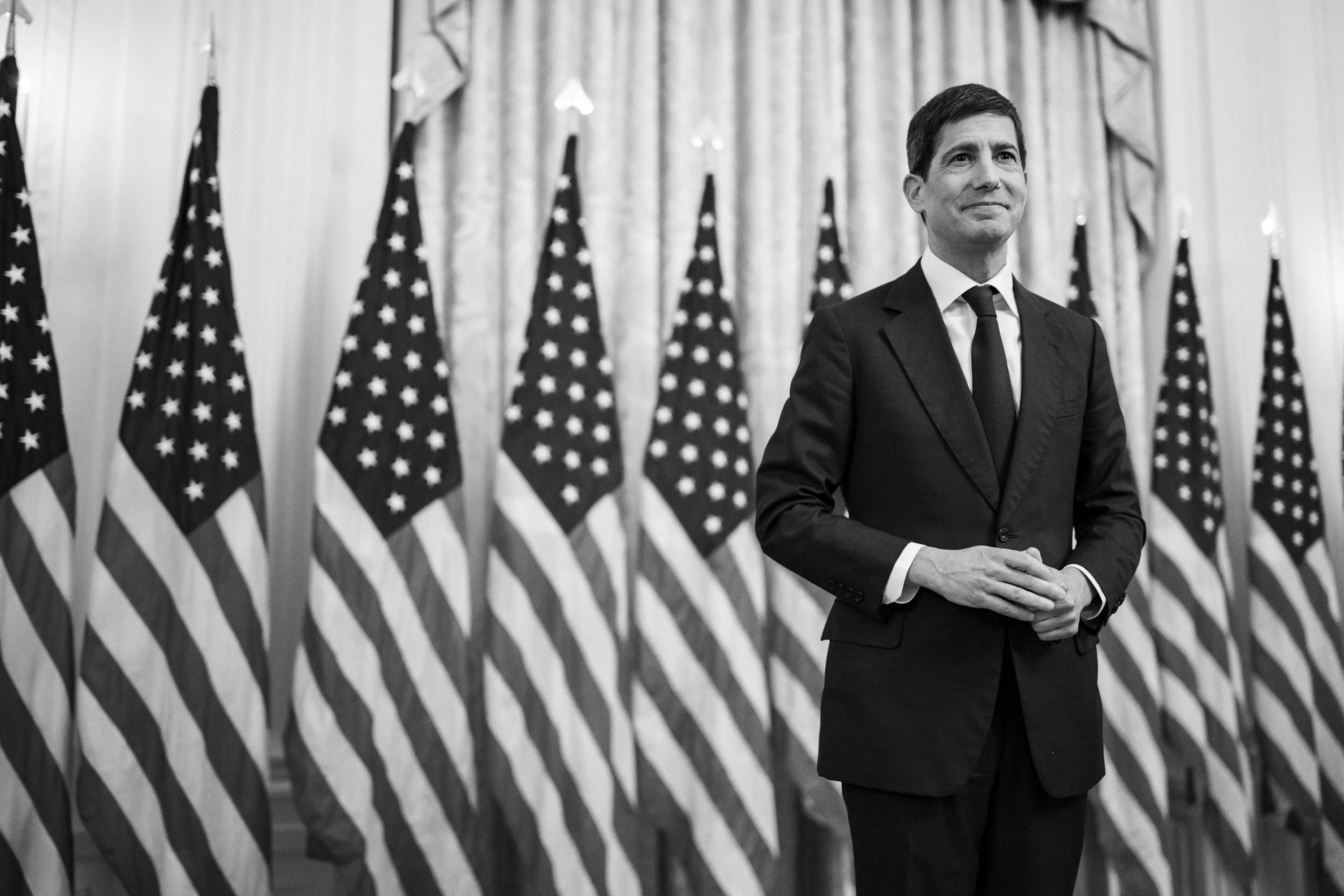
The question came from Rep. Brad Sherman, and it wasn’t really about Bitcoin. Sherman asked whether the Fed would step in to support crypto and stablecoins if the sector faced a run, the way it rescued money market funds in 2020 when big investors pulled their cash out all at once.
“I still have the scars from the 2008 financial crisis,” Warsh said. “We do not want to be in the bailout business, full stop.” He added that the Fed would do everything it could to limit extreme risks, then landed on the line that travelled: “We want to be in a position where we’re not bailing out anybody, including crypto.”
But the Fed hasn’t decided anything about crypto. The subject appears nowhere in Warsh’s prepared remarks, not once across the whole report he brought to the House Financial Services Committee. S, it only came up because a congressman raised it.
And when he was pressed, Warsh wouldn’t commit. He said he wants to avoid a bailout. He never promised he wouldn’t do one, and that distinction matters, because the Fed can still lend in an emergency to almost anyone it judges important enough. Nothing said on Tuesday takes that power away.
Warsh also sat on the Fed’s board from 2006 to 2011, which put him in the room through the 2008 crisis and the rescues that came with it. So the Fed hasn’t ruled anything out, but it has a chairman who doesn’t want to do it, which is not the same thing.
Why the Fed Was Never Going to Rescue Bitcoin, Ethereum, or XRP

A Fed bailout goes to a bank, and not just any bank. It goes to an institution so woven into the system that if it failed, ordinary people couldn’t get paid, pay their mortgage, or move money at all. Bitcoin, Ethereum, and XRP are none of those things, which is why the Fed watched FTX, Terra, and Celsius collapse without lifting a finger.
That said, crypto has been saved once, and the Fed wrote up exactly how it happened. USDC is a stablecoin, which means it is supposed to be worth a dollar, always. In March 2023, Circle, the company behind it, had $3.3 billion of the money backing that promise parked inside Silicon Valley Bank.
The bank failed on a Friday, and by Saturday, USDC had fallen to about 87 cents, and Circle was publicly promising to cover the hole from its own pocket. According to the Fed’s own researchers, that steadied the price but never got it back to a dollar, because the market didn’t believe a company could plug a gap of that size.
The fix arrived on Sunday, March 12, at 6:15 in the evening, when the Treasury, the Fed, and the FDIC jointly announced that every SVB depositor would get their money back in full. That meant Circle’s $3.3 billion was safe, and the hole behind USDC closed. The coin was back at a dollar by Monday morning. So, the one time crypto has ever been saved, it happened by accident, as a side effect of saving a bank.
The Fed published that research in December, and seven months later its chairman told Congress he’d rather not do it again.
Stablecoins Are the Real Target of Warsh’s Warning

When USDC broke in 2023, the damage didn’t stay in USDC only. Another stablecoin, Dai, lost its peg too, because it was backed partly by USDC. A run on one stablecoin doesn’t stay in one stablecoin, which is why Sherman asked, and why it matters now that stablecoins are a $310 billion market.
Congress wrote the GENIUS Act partly for this. Under it, stablecoin holders get paid ahead of other creditors if an issuer fails, and issuers have to hold real reserves against every coin. But a bankruptcy takes months and a panic takes hours, and the only thing that moves at the speed of a run is the Fed. Warsh is telling that market not to count on it.
The rules to enforce the law are due on Saturday, one year to the day after the GENIUS Act was signed. Warsh told Congress the Fed is “racing to put that out by this deadline,” but he wouldn’t commit to making it, and Rep. Bryan Steil asked him to notify Congress in writing if the Fed misses.
There’s a hint of where he stands in what happened in June. When the Fed took its first vote on those rules, every governor backed them, including Jerome Powell, who is still on the board. Warsh abstained and gave no explanation. Caitlin Long, who runs Custodia Bank, called that unusual, and nobody outside the Fed knows why he did it.
The Rate Path Is What Moves Bitcoin, Ethereum, and XRP Now
The bailout warning changes nothing for Bitcoin, Ethereum, or XRP. What Warsh said about inflation changes a lot. He walked into that hearing hours after a soft inflation report, with June prices at 3.5% against a 3.8% forecast, and refused to take the win. “It’s one data point,” he said. “There might be some who say, look, mission accomplished, everything is swell. That is not my view.”
That reaches these coins directly. Bitcoin, Ethereum, and XRP pay you nothing to hold them, while a Treasury bill pays you. So every month you hold a coin that yields zero, you give up whatever that bill would have paid instead. The higher rates climb, the more you give up, and the less anyone wants to own something that pays nothing at all.
Nine of the eighteen Fed officials who submitted a forecast expect at least one rate hike this year, not a cut, and the next meeting is July 28 and 29. That’s the path Bitcoin, Ethereum, and XRP are trading against, with no relief in sight and the risk pointing higher. The Fed was never going to catch these coins if they fell, but it can still push them down, and Warsh just told Congress he isn’t finished.
Contact [email protected] for any questions or corrections.










Leave a comment