
Crypto market participants, however, say the proposal appears largely unworkable through legitimate channels. Even so, the demand highlights a sanctions-evasion network that is broader and more difficult for Western regulators to curb than any single toll mechanism.
The Financial Times reported this week that Iran may seek payments in Bitcoin, citing a spokesperson for the country’s oil exporters’ union. Bloomberg had earlier reported that operatives were exploring toll payments in yuan or stablecoins, based on inputs from shipping industry sources.
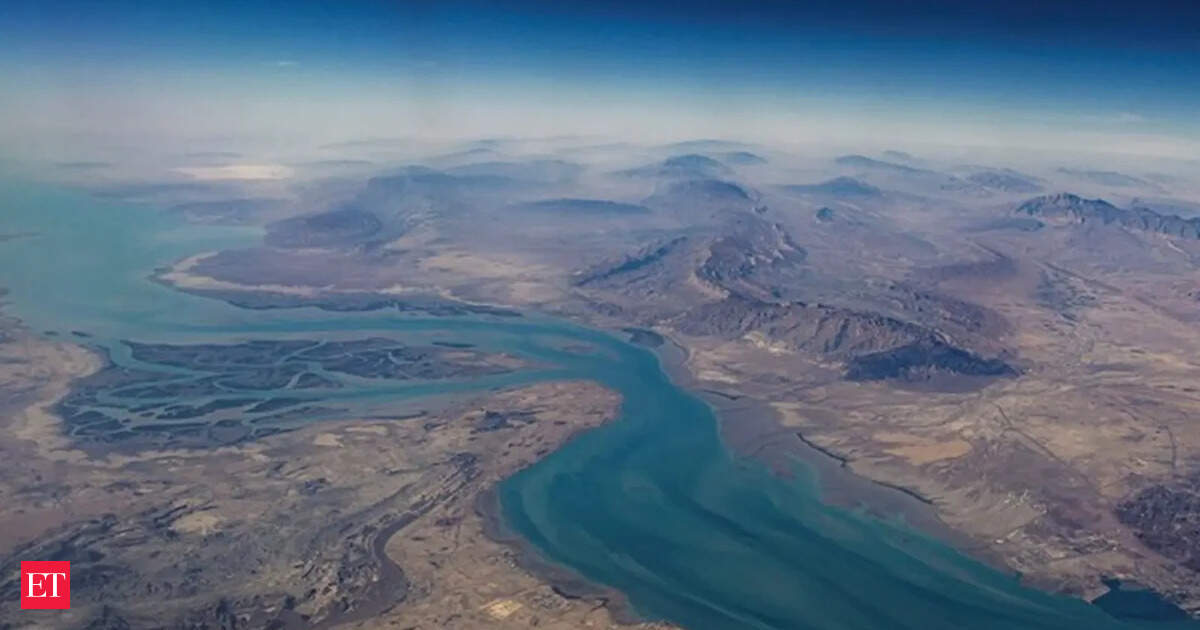
The Strait of Hormuz remained shut on Friday and Israel traded fire with Hezbollah in Lebanon, which the United States and Iran each described as violations of their ceasefire deal on the eve of their first peace talks of the war.
The two-day-old ceasefire has halted the campaign of U.S. and Israeli air strikes on Iran. But it has so far done nothing to end the blockade of the strait, which has caused the biggest-ever disruption to global energy supplies, or to calm a parallel war waged by Israel against Iran’s Hezbollah allies in Lebanon.

Iran was doing a “very poor job” of allowing oil to go through the strait, U.S. President Donald Trump said in a social media post overnight. “That is not the agreement we have!”
In a separate post, he said oil would start flowing again, without saying how.
Truce talks in Pakistan
The gap between the two sides remains vast.
Washington’s reported 15-point proposal centres on Iran’s enriched uranium and the reopening of the Strait of Hormuz. Tehran has countered with a 10-point plan demanding control over the strait, a toll for vessels crossing the strait, an end to all regional military operations and the lifting of all sanctions.
Lebanon is also a major sticking point. Israel continued its strikes in the country targeting Hezbollah — after the ceasefire came into force — with Israeli Prime Minister Benjamin Netanyahu rejecting Prime Minister Shehbaz Sharif’s assertion that the truce included Lebanon.
US Vice President JD Vance appeared to take a softer tone, saying there may have been a “legitimate misunderstanding” from Iran that Lebanon would be included.
Iranian sources have also told Iranian media that Tehran won’t attend the talks unless a ceasefire is in place in Lebanon
Iran’s President Masoud Pezeshkian warned on X that Israel’s strikes on Lebanon rendered the negotiations “meaningless”.
Iran has also long refused to concede to Washington’s demands on its nuclear programme.












Leave a comment