
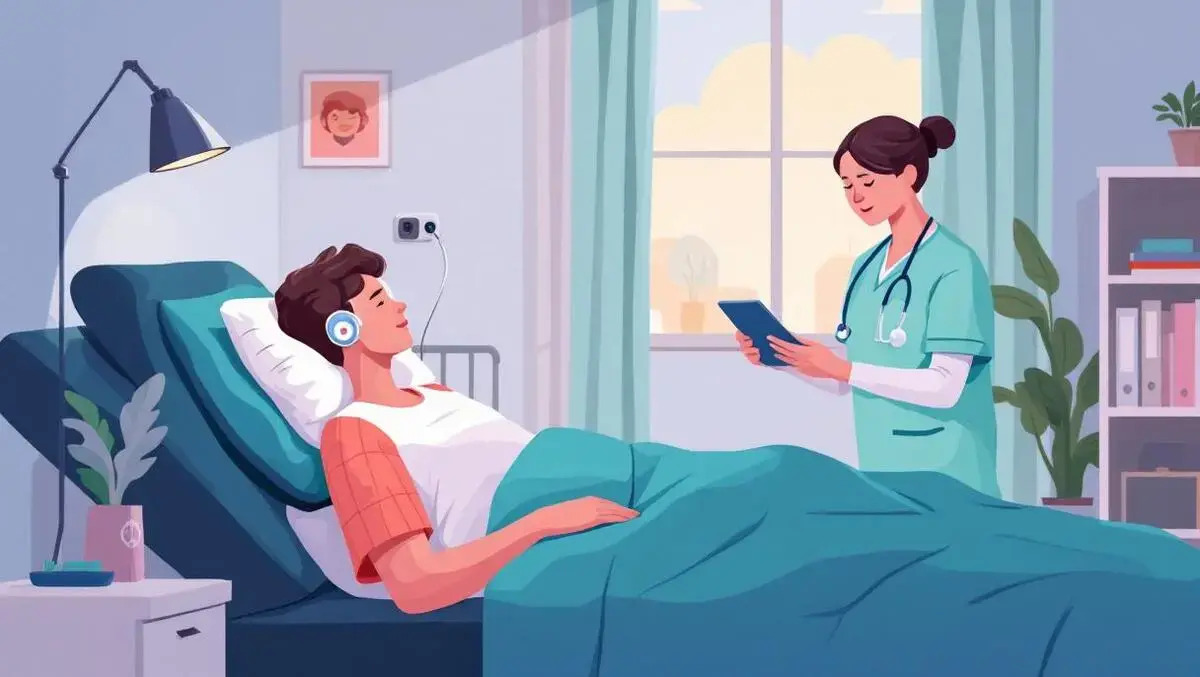
Doccla said its AI-based virtual care system is being used by NHS trusts to monitor patients at home as the health service faces pressure from industrial action and a large treatment backlog.
Clinicians use machine-learning models and data from clinical-grade wearables to identify patients at risk of deterioration, with the aim of intervening earlier and reducing avoidable hospital admissions. The system combines NHS and proprietary datasets and tracks measures including oxygen saturation, blood pressure and ECG readings.
Doccla works with NHS trusts on remote patient monitoring and virtual wards, which allow patients to receive care at home while remaining under clinical supervision. The approach is intended to support earlier discharge from hospital and help prevent admissions, particularly among people with long-term conditions and patients who remain at risk after discharge.
It linked the use of these tools to mounting strain across the health service, saying each day of industrial action costs the NHS about GBP £50 million and that total disruption since 2023 has exceeded GBP £3 billion. This comes as the system tries to reduce a backlog of 7.2 million cases and shift more care into the community.
Cost Pressures
Doccla said its model costs the NHS about GBP £120 a day for remote monitoring, compared with GBP £569 for a hospital bed. It also said the NHS saves more than GBP £3 for every GBP £1 spent on the service, compared with models that do not use the technology.
In its NHS work, Doccla reported a 61% reduction in bed days, a 39% drop in non-elective admissions and an 89% reduction in GP appointments. It presented those figures as evidence that remote monitoring can help clinical teams manage more patients outside hospital settings.
The system is used in conditions including COPD, heart failure and frailty. Doccla also pointed to its use among patients who have recently left hospital but still face a risk of readmission.
Michael Macdonnell, deputy chief executive officer at Doccla, was identified by the company as a senior executive with previous experience at Google DeepMind and NHS England. According to Doccla, he could discuss how AI is being used in NHS services today and how staffing pressures are affecting care delivery.
Doccla argues that AI-supported remote monitoring can help clinical teams oversee larger patient groups while maintaining safety. As hospitals come under pressure to free up beds and reduce waiting times, it is positioning virtual wards and home monitoring as part of the response.
According to the company, predictive models and wearable devices allow clinicians to spot signs of deterioration before a patient needs emergency treatment. It said this can reduce admissions and support the NHS goal of moving more care away from hospitals and into the community.












Leave a comment