
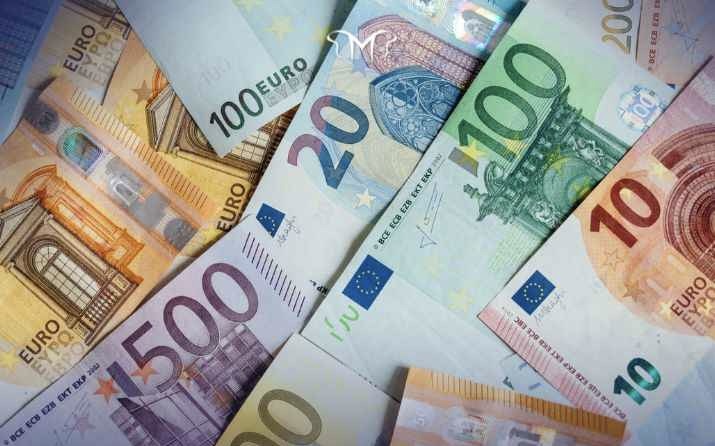
BearingPoint commissioned a new survey showing Germany and Austria still lead Europe in cash usage, defying the broader continental shift toward digital payments and card-based transactions across retail and services sectors.
The poll, conducted in December by YouGov, found that 73 per cent of respondents in Germany cited cash as their most frequently used payment method, rising from 69 per cent a year earlier.
In Austria, 71 per cent of participants said they regularly paid in cash, confirming the country’s continued preference for physical currency despite the growing availability of digital and contactless alternatives.
By contrast, cash usage declined across the seven other European countries surveyed, highlighting a widening divide in payment preferences between German-speaking nations and much of the rest of Europe.
In Switzerland, 61 per cent of respondents reported often using cash, followed by 58 per cent in Ireland, 51 per cent in France and 46 per cent in the Netherlands.
Northern European countries demonstrated the lowest reliance on physical currency, reflecting more advanced digital infrastructure and stronger consumer adoption of mobile wallets, cards and instant electronic payment systems.
Only 25 per cent of respondents in Sweden said they frequently used cash, compared with 32 per cent in Denmark and 42 per cent in Finland.
More than a quarter of Swedes said they never used cash, while 18 per cent of Danes reported the same, underscoring the rapid shift toward fully digital payment ecosystems.
In Germany and Austria, by comparison, only 2 per cent and 1 per cent of respondents, respectively, said they did not use cash at all.
Across all nine countries surveyed, 37 per cent of respondents said it was certain or very likely they would stop using cash entirely within the next decade.
The survey also revealed limited public awareness of the proposed digital euro project currently under discussion among eurozone policymakers and financial institutions across the region.
Around one-third of respondents in eurozone countries said they had not heard of the initiative being developed by the European Central Bank, which could launch as early as 2029.
Eurozone monetary authorities had repeatedly stressed that the digital euro would complement, rather than replace, physical cash, aiming to preserve consumer choice while modernising Europe’s payments infrastructure.
(Xinhua/NAN)










Leave a comment