
Sunday 02nd August, 2026 07:40 AM|

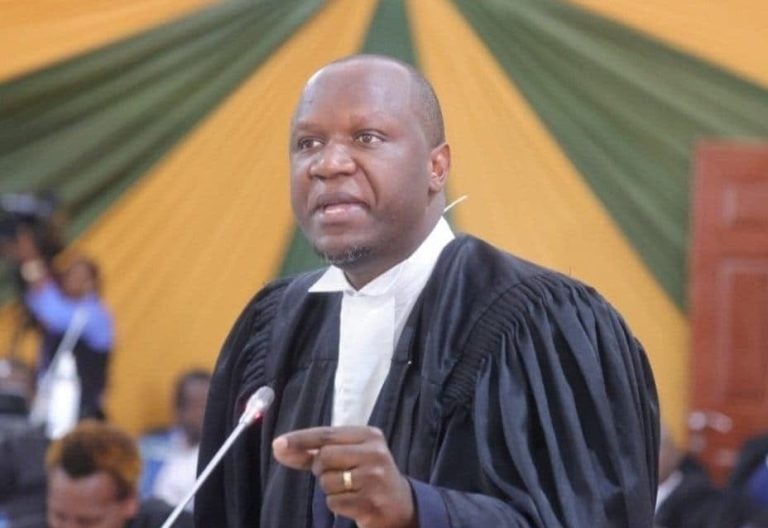
Lawyer Willis Otieno has called for an end to annual finance bills that regularly change Kenya’s tax laws, arguing that the country needs a stable and predictable tax policy framework to spur investment, economic growth, and public confidence.
In a statement shared on his X account on Sunday, August 2, 2026, the Safina Party deputy leader said Kenya should replace yearly tax changes with a medium-term tax policy developed through broad public participation, saying constant amendments create uncertainty for households, businesses and investors.
“Kenya needs to move away from the uncertainty of annual Finance Bills that constantly alter the tax landscape. The objective should be a medium-term tax policy framework, enacted after broad public participation, that provides predictability for households and investors alike,” Otieno said.

He argued that stable tax rules would improve investor confidence and support long-term economic planning instead of subjecting Kenyans to frequent changes through successive Finance Bills.
Calls for broader economic reforms
Otieno maintained that tax reforms should go beyond changing tax rates, saying his proposal for a five per cent sales tax forms part of a wider economic reform agenda aimed at expanding the tax base while improving government efficiency.
“The proposed 5% Sales Tax is not a standalone policy. It is part of a broader economic reform programme aimed at expanding the tax base rather than increasing tax rates,” he said.
He argued that Kenya’s fiscal challenges are rooted in poor expenditure management rather than inadequate revenue collection.
“Kenya does not have a revenue problem as much as it has a growth, efficiency, and expenditure problem,” Otieno stated.
The lawyer proposed a comprehensive review of public expenditure to eliminate corruption, duplication, wastage, and non-essential spending while strengthening public financial management.
He further called for reforms in tax administration through digitised revenue collection, broader tax compliance, formalisation of more businesses and tougher action against tax evasion and illicit financial flows.
Push for lower taxes
Otieno also defended lower consumption taxes, arguing they would leave households with more disposable income, stimulate demand, encourage business expansion, and create jobs.
“The goal is simple: lower taxes, broaden the tax base, eliminate waste, strengthen compliance, and grow the economy. A prosperous economy generates sustainable revenue far more effectively than punitive taxation,” he said.
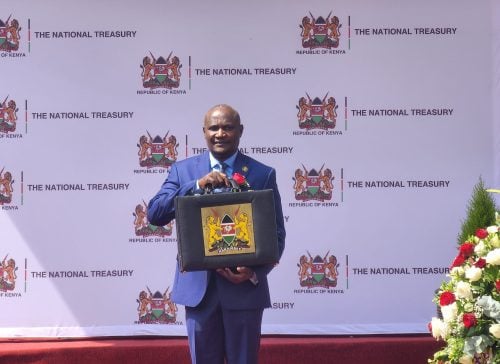
His latest remarks build on proposals he unveiled in the previous week, where he advocated replacing the current tax regime with a five per cent sales tax, saying Kenya’s taxation system had become expensive, complex, and burdensome for households and businesses.
He argued that lower and simpler taxes would reduce the cost of living, encourage investment, widen tax compliance, and stimulate economic growth as an alternative to relying on frequent tax increases through successive finance bills.
Lawyer Willis Otieno has proposed sweeping reforms to Kenya’s tax system, including replacing the current Value Added Tax (VAT) structure with a 5 per cent sales tax and ending annual Finance Bills that frequently change the country’s tax regime.






Leave a comment