
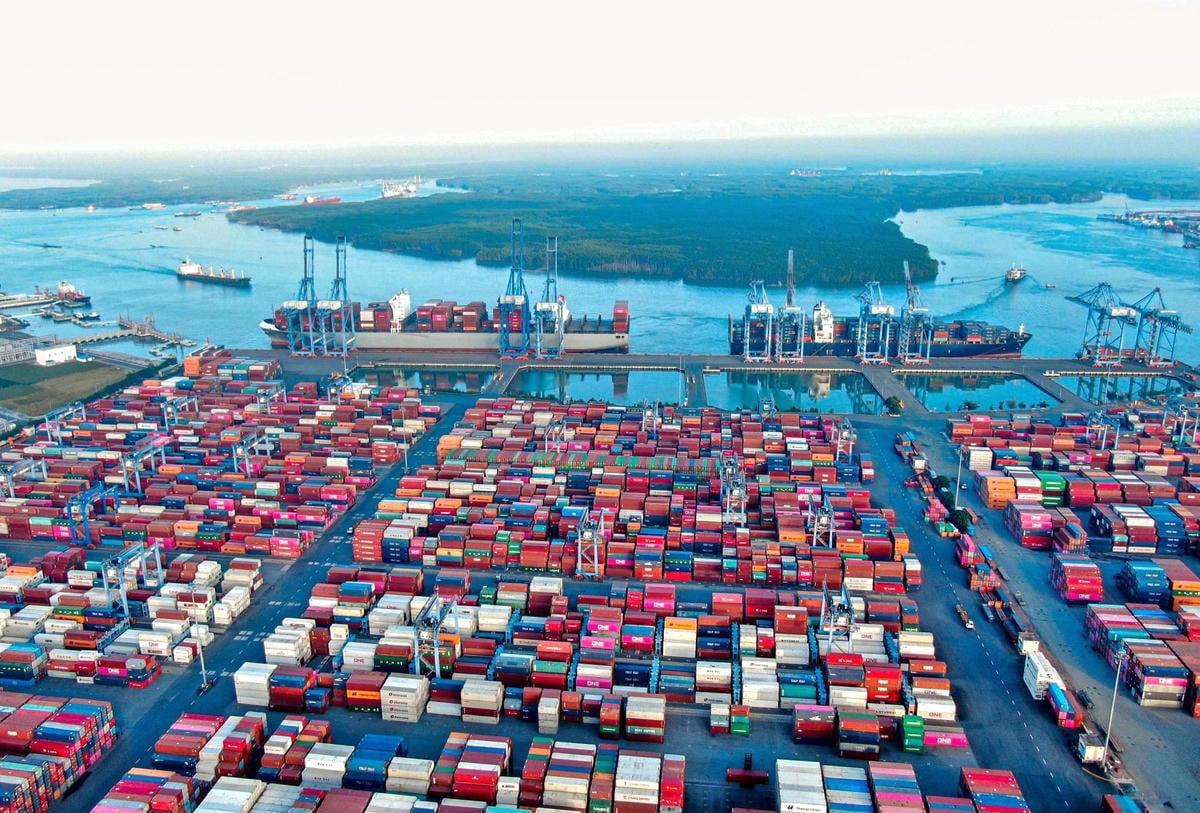
Lesson 1: Paving the way for new capital flows
In line with Resolution No. 10-NQ/TW of the Politburo, the Vietnam International Finance Center in Ho Chi Minh City is expected to become a gateway for attracting a new generation of investment capital. The city is not only seeking large-scale capital but also investors who bring financial technology, governance standards, data, and international networks, thereby creating long-term resources for innovation, green transformation, and high value-added projects.
Attracting both capital and expertise.
Resolution No. 10-NQ/TW dated June 8, 2026, of the Politburo on the development of the foreign-invested economy marks a shift in how Vietnam approaches international capital flows. Capital scale and the number of projects are no longer the sole indicators. The new policy places greater emphasis on technological level, resource efficiency, governance standards, knowledge transfer capabilities, and the degree of linkage with domestic businesses.
Foreign resources must contribute to enhancing production capacity, forming a Vietnamese supplier base, and improving the economy’s position in the global value chain. Models such as international financial centers, free trade zones, and innovation ecosystems are expected to create more opportunities to attract investors with strong capital, technology, and modern management capabilities.
Besides attracting foreign direct investment, Resolution No. 10-NQ/TW also requires the development of the capital market and the effective attraction of international indirect investment flows. In this context, the Vietnam International Finance Center in Ho Chi Minh City is identified as one of the institutions connecting investment funds, banks, insurance companies, technology companies, and international expert networks with the Vietnamese economy.
Through this ecosystem, international capital can be channeled into high-demand areas such as infrastructure, high technology, digital finance, energy transition, green manufacturing, and innovation. The City’s value proposition encompasses not only the amount of capital mobilized but also financial technology, data, governance expertise, transparency standards, and market scalability.
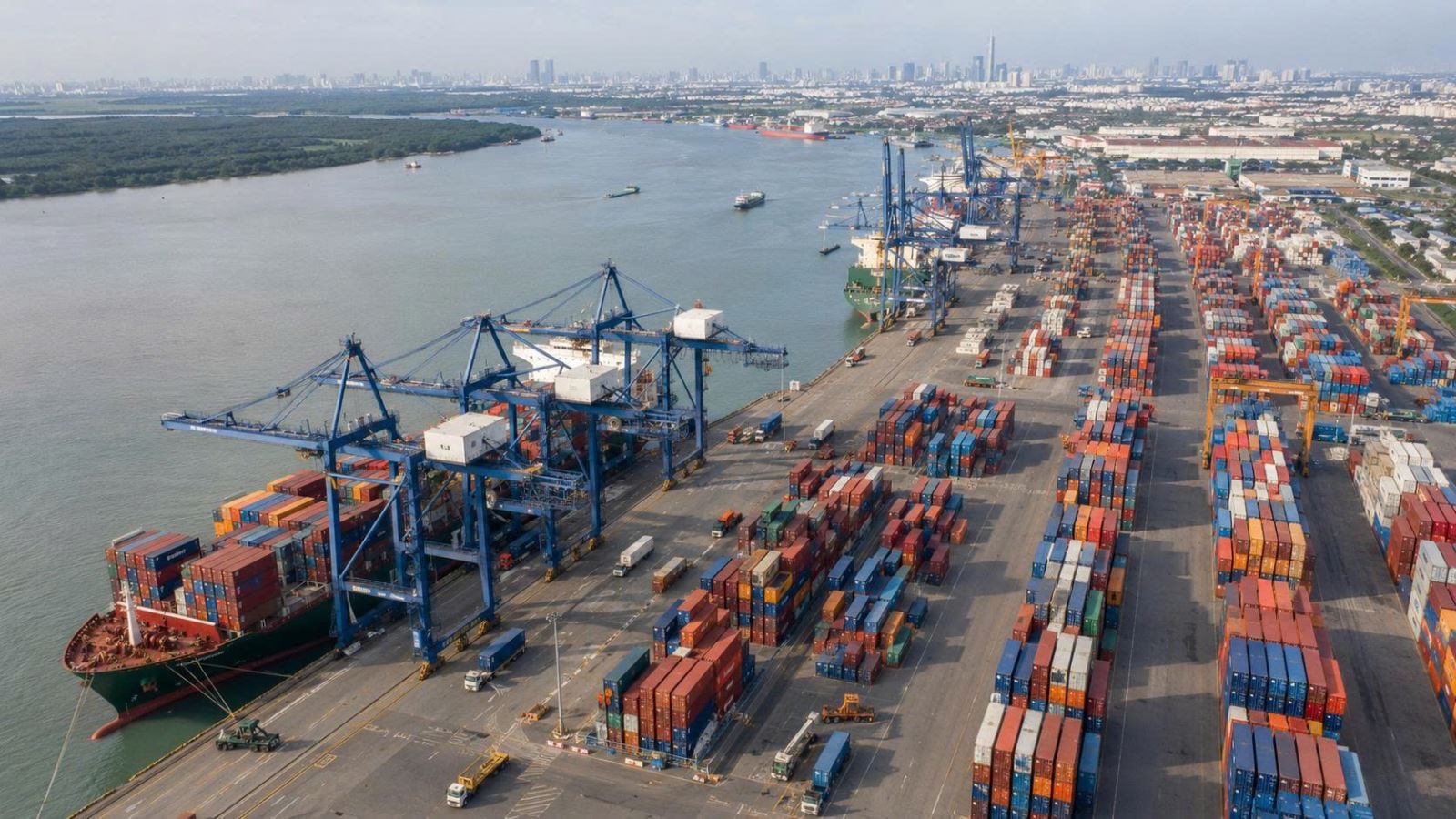
Based on that, Ho Chi Minh City is concretizing its development strategy for the 2026-2030 period, while also innovating investment promotion activities. Instead of primarily showcasing potential, the city is increasing dialogue tailored to specific groups of partners, sectors, and cooperation needs.
Recent contacts have noted interest from investors from Switzerland , Hong Kong (China), Singapore, South Korea, Australia, and the UK. Areas being explored include digital finance, artificial intelligence, blockchain, payments, compliance technology, data governance, and environmental, social, and governance standards. This indicates that Vietnam’s opportunities lie not only in attracting additional capital but also in its ability to adopt new business models, technologies, and governance standards.
According to the Chairman of the Ho Chi Minh City People’s Committee, Nguyen Van Duoc, the city has the responsibility to take the lead in implementing Resolution No. 10-NQ/TW, especially in building a new generation investment attraction model through an International Finance Center. The center must contribute to receiving both the intangible values of foreign capital flows, such as governance capacity, financial technology, data, transparency standards, expert networks, and the ability to connect to global value chains.
Therefore, the method of evaluating the effectiveness of investment promotion also needs to change. Results should not only be measured by the number of business delegations visiting to learn about the project, the number of networking events or memoranda of understanding signed, but also by the number of projects that continue to be evaluated, financial products that are tested, capital disbursed, and technology and management expertise transferred into the economy.
Associate Professor Dr. Nguyen Huu Huan, Vice Chairman of the Vietnam International Finance Center in Ho Chi Minh City, believes that while there is no shortage of capital in the international market, access depends on the quality of the project. Investors need projects with clear effectiveness, complete legal documentation, transparent data, risk control plans, and governance mechanisms that meet international standards.
According to Mr. Nguyen Huu Huan, the list of investment projects should be selected based on readiness, value creation potential, and spillover effects. Each project must clearly define its capital needs, cash flow, environmental standards, social effectiveness, and risk-sharing mechanism. When the documentation is standardized, investors can shorten the appraisal time, and businesses have more opportunities to access long-term capital at a reasonable cost.
Transform investment commitments into long-term capital flows.
The biggest challenge for the International Finance Centre lies not in generating initial interest but in translating commitments into disbursed capital. When choosing a market, investors compare not only tax incentives but also policy stability, enforceability, dispute resolution mechanisms, disclosure standards, and the ease of bringing capital in or out.
If procedures remain fragmented, data is inconsistent, or processing times are lengthy, advantages in market scale and growth rate may be diminished. Therefore, Ho Chi Minh City needs to establish a single point of contact to provide comprehensive support, responsible for legal guidance, partner connections, progress monitoring, and coordinating the resolution of issues throughout the entire project lifecycle.
A shared database of planning, project catalogs, incentive mechanisms, environmental standards, investment procedures, and legal status will help investors access information more quickly. The data needs to be updated regularly, with a responsible agency verifying and ensuring consistency, avoiding situations where businesses receive conflicting guidance from multiple sources.
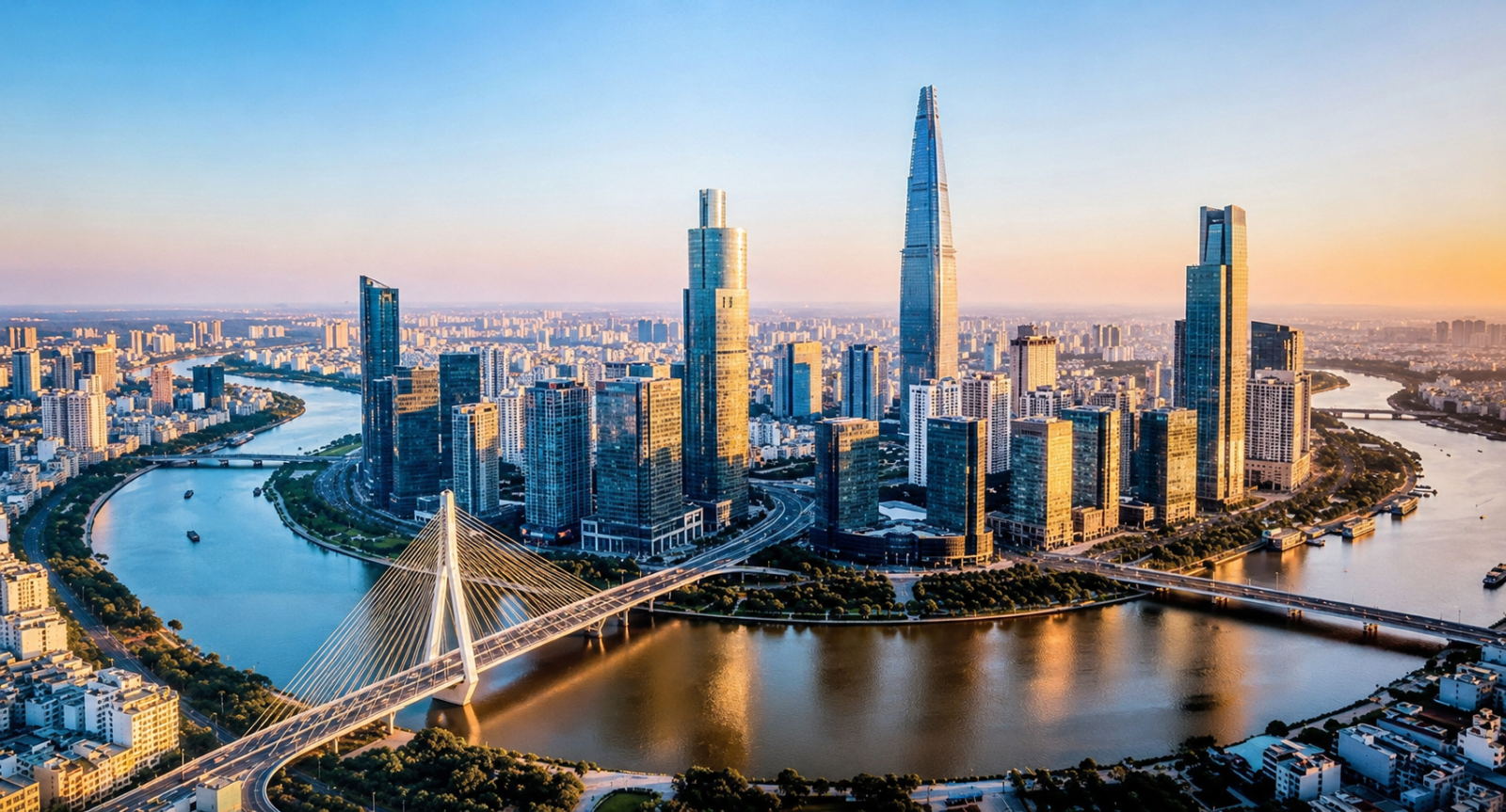
Paul Xavier, Program Officer at the International Finance Corporation (IFC), stated that international funding for green transformation is abundant, but investors prioritize markets with unified classification systems, transparent data, and well-prepared project portfolios. The deciding factors remain project quality, cash flow generation capacity, and policy stability throughout implementation.
This shows that the competitive advantage of a financial center cannot be created solely through incentives. Strategic investors are also interested in the predictability of policies, investor protection standards, dispute resolution mechanisms, and ease of capital flow. These are factors that directly influence long-term investment decisions.
Besides perfecting the legal framework, a controlled testing mechanism needs to be implemented effectively. New solutions regarding payments, customer identification, anti-money laundering, data, digital assets, and artificial intelligence must be tested within specific scopes, timeframes, and risk limits. The test results should be evaluated transparently, providing a basis for policy adjustments before widespread implementation.
Mr. Vo Hoang Hai, Deputy General Director of Nam A Bank, believes that green finance needs to be linked to the actual needs of businesses. Foreign institutions are willing to participate if the project clearly defines the objectives of capital use, has a risk management system that meets international standards, and verifiable environmental and social results. Domestic commercial banks can act as a bridge, receiving international capital and directing it to suitable projects.
To channel capital into the real economy, the city needs to simultaneously develop products and tools for mobilizing long-term capital; and prepare a portfolio of projects with complete legal frameworks, feasible financial plans, and clear spillover effects on domestic businesses, jobs, technology, and production capacity.
Human resources are also a crucial link. The center needs a team with expertise in international finance, law , data, cybersecurity, anti-money laundering, and risk management. Collaboration with international training institutions, organizations, and foreign experts will help build a workforce capable of operating new financial products, transactions, and models.
The shift from managing to creating an investment environment must be demonstrated through transparent processes, reliable data, professional services, and mechanisms to closely monitor investors until the project is implemented and capital is disbursed. This is the foundation for the Vietnam International Finance Center in Ho Chi Minh City to not only attract more capital but also bring technology, knowledge, and international governance standards into the economy.
However, the potential for creating ultimate value still depends on the quality of the selected projects. Capital flows only truly become a driving force for development when they are channeled into high-tech industries that efficiently utilize land, energy, and labor, and establish linkages with domestic businesses.
Lesson 2: Choosing projects based on value creation
Source: https://baotintuc.vn/thi-truong-tien-te/nghi-quyet-10-nang-chat-dong-von-fdi-bai-1-mo-cua-don-dong-von-moi-20260818095245393.htm








Leave a comment