
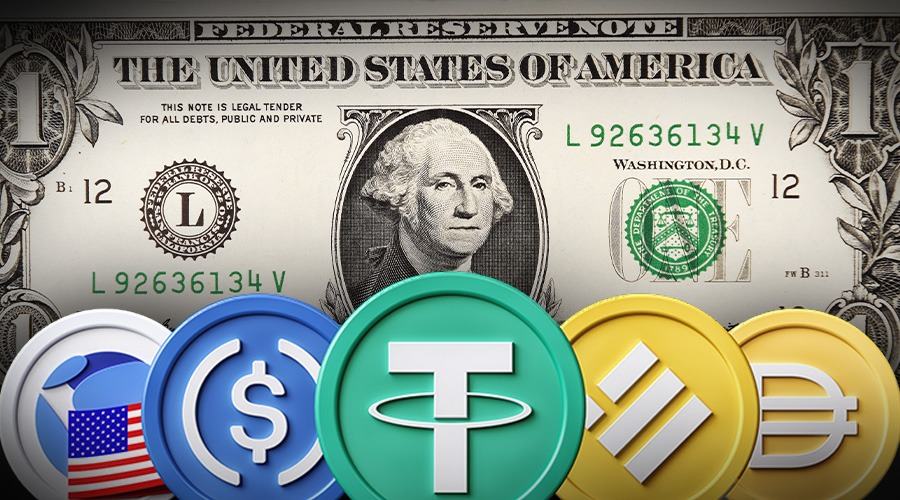
A new report by
Juniper Research estimates that stablecoin-based B2B payments will reach $5
trillion by 2035, rising from $13.4 billion in 2026.
Singapore Summit: Meet the largest APAC brokers you know (and those you still don’t!).
The report identifies cross-border business payments as the
main driver of stablecoin adoption. Juniper estimates that 85% of total
stablecoin transaction value in 2035 will come from B2B use cases.
Companies increasingly use stablecoins for treasury
operations, supplier payments , and supply chain settlements. These transactions
benefit from faster processing and continuous availability compared to
traditional banking systems.
Stablecoins also support other use cases such as
peer-to-peer and consumer payments, but their role in corporate finance is
expanding more rapidly. The shift reflects a broader move away from speculative
crypto activity toward practical financial applications.
Juniper highlights inefficiencies in correspondent banking
as a key factor behind this growth. Traditional cross-border payments often
involve multiple intermediaries, which increase costs and extend settlement
times.
Read more: USD Stablecoins on Public Blockchains Are Major AML Concern, BIS Warns
These transactions typically include correspondent fees,
foreign exchange margins, and messaging costs. Settlement can also take several
days, depending on the corridor.
Pressure on Traditional Payment Rails
Indeed, stablecoins offer near real-time settlement on blockchain
networks and operate around the clock. This reduces transaction costs and
improves speed, particularly for high-value international transfers.
Dollar-pegged stablecoins also provide a consistent settlement asset across
markets.
Jawad Jahan, Source: LinkedIn
“Stablecoins are not replacing payments infrastructure; they are being adopted where the advantages are most pronounced. Cross-border B2B is where those advantages are greatest, and where we expect the most sustained volume growth over the forecast period. Stablecoin issuers and payment service providers should prioritise enterprise integrations and treasury partnerships to capture the majority of this value,” Research Analyst Jawad Jahan concluded.
The findings suggest that stablecoins will continue to gain
traction in global finance, especially in areas where traditional systems face
cost and efficiency challenges.
Regulators Step Up USD Stablecoin Scrutiny
The forecast comes as global regulators step up scrutiny of
large dollar stablecoins and their role in the financial system.
In a recent speech covered by Finance Magnates, BIS General
Manager Pablo Hernández de Cos warned that major USD stablecoins could have
“material consequences” for financial stability if their use grows beyond
today’s crypto‑trading niche, comparing their structure to exchange‑traded
funds backed by short‑term government debt and bank deposits rather than
simple cash balances.
He cautioned that, in a period of stress, rapid redemptions
could force issuers to dump Treasuries and pull funding from banks, creating a
new channel for contagion at the heart of key funding markets instead of
insulating them.
At the same time, policymakers in Asia are opening tightly
controlled doors to regulated stablecoin activity, underscored by Hong Kong’s
first licenses for issuers under its new regime. The Hong Kong Monetary
Authority recently approved HSBC and Anchorpoint Financial as the first
licensees, marking the launch phase of a framework that requires fiat‑referenced
stablecoin issuers to hold a license and comply with rules on reserve backing,
redemption rights, governance, and anti‑money laundering controls.
A new report by
Juniper Research estimates that stablecoin-based B2B payments will reach $5
trillion by 2035, rising from $13.4 billion in 2026.
Singapore Summit: Meet the largest APAC brokers you know (and those you still don’t!).
The report identifies cross-border business payments as the
main driver of stablecoin adoption. Juniper estimates that 85% of total
stablecoin transaction value in 2035 will come from B2B use cases.
Companies increasingly use stablecoins for treasury
operations, supplier payments , and supply chain settlements. These transactions
benefit from faster processing and continuous availability compared to
traditional banking systems.
Stablecoins also support other use cases such as
peer-to-peer and consumer payments, but their role in corporate finance is
expanding more rapidly. The shift reflects a broader move away from speculative
crypto activity toward practical financial applications.
Juniper highlights inefficiencies in correspondent banking
as a key factor behind this growth. Traditional cross-border payments often
involve multiple intermediaries, which increase costs and extend settlement
times.
Read more: USD Stablecoins on Public Blockchains Are Major AML Concern, BIS Warns
These transactions typically include correspondent fees,
foreign exchange margins, and messaging costs. Settlement can also take several
days, depending on the corridor.
Pressure on Traditional Payment Rails
Indeed, stablecoins offer near real-time settlement on blockchain
networks and operate around the clock. This reduces transaction costs and
improves speed, particularly for high-value international transfers.
Dollar-pegged stablecoins also provide a consistent settlement asset across
markets.
Jawad Jahan, Source: LinkedIn
“Stablecoins are not replacing payments infrastructure; they are being adopted where the advantages are most pronounced. Cross-border B2B is where those advantages are greatest, and where we expect the most sustained volume growth over the forecast period. Stablecoin issuers and payment service providers should prioritise enterprise integrations and treasury partnerships to capture the majority of this value,” Research Analyst Jawad Jahan concluded.
The findings suggest that stablecoins will continue to gain
traction in global finance, especially in areas where traditional systems face
cost and efficiency challenges.
Regulators Step Up USD Stablecoin Scrutiny
The forecast comes as global regulators step up scrutiny of
large dollar stablecoins and their role in the financial system.
In a recent speech covered by Finance Magnates, BIS General
Manager Pablo Hernández de Cos warned that major USD stablecoins could have
“material consequences” for financial stability if their use grows beyond
today’s crypto‑trading niche, comparing their structure to exchange‑traded
funds backed by short‑term government debt and bank deposits rather than
simple cash balances.
He cautioned that, in a period of stress, rapid redemptions
could force issuers to dump Treasuries and pull funding from banks, creating a
new channel for contagion at the heart of key funding markets instead of
insulating them.
At the same time, policymakers in Asia are opening tightly
controlled doors to regulated stablecoin activity, underscored by Hong Kong’s
first licenses for issuers under its new regime. The Hong Kong Monetary
Authority recently approved HSBC and Anchorpoint Financial as the first
licensees, marking the launch phase of a framework that requires fiat‑referenced
stablecoin issuers to hold a license and comply with rules on reserve backing,
redemption rights, governance, and anti‑money laundering controls.












Leave a comment