
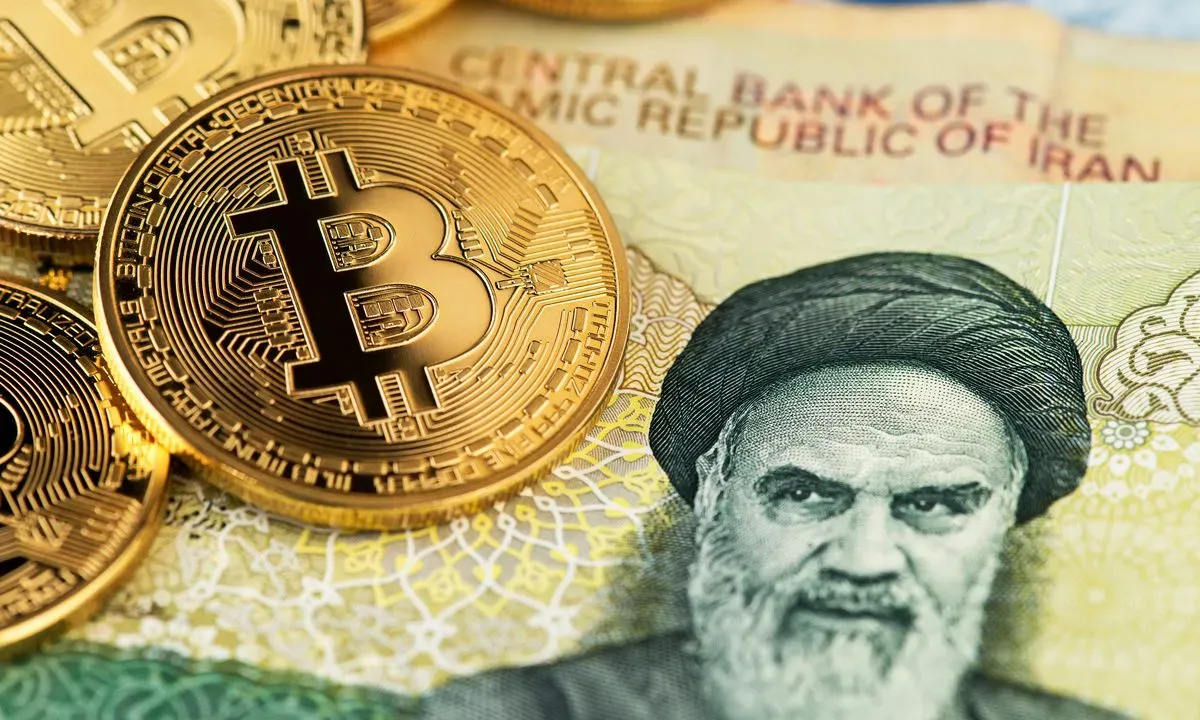
The Bitcoin community is closely watching reports that Iran may begin accepting Bitcoin as payment for oil tankers passing through the Strait of Hormuz, one of the world’s most critical shipping routes.
The proposal, first reported by the Financial Times, suggests that Iran is exploring digital currency payments as a way to bypass U.S. sanctions. According to sources, tanker operators could be required to submit cargo details via email, receive a fee estimate, around $1 per barrel, and complete payment within seconds.
Given that roughly 20% of global oil supply flows through this narrow passage, even a small fee could generate tens of millions of dollars per day.
Why Bitcoin stands out in sanction-driven trade
Unlike stablecoins such as USDT or USDC, Bitcoin cannot be frozen or controlled by a central issuer. This distinction is critical for countries facing financial restrictions.
Blockchain analysts note that stablecoins include built-in blacklisting mechanisms, allowing issuers to freeze funds tied to sanctioned entities. Bitcoin, by contrast, operates without intermediaries, making it far more difficult to censor or block transactions.
Alex Thorn, head of research at Galaxy, has pointed out that reports remain mixed. While Bitcoin is a leading option, some sources suggest Iran may also consider alternatives like stablecoins or the Chinese yuan. Thorn is actively monitoring blockchain data for any early signs of such payments.
The technical challenge behind instant payments
Executing transactions within seconds would likely require the use of the Lightning Network, Bitcoin’s second-layer solution designed for fast and low-cost transfers.
Can the system handle large oil payments
While Lightning enables near-instant transactions, its capacity for very large payments remains limited. The largest known transaction on the network is around $1 million, which may not cover the full cost of some tanker fees.
Because of this, experts suggest a more practical approach: once a tanker is approved for passage, operators could receive a Bitcoin address or QR code and complete payment on-chain, even if it takes slightly longer.
A high-stakes experiment with global implications
If implemented, the plan would mark one of the first large-scale uses of Bitcoin in global trade infrastructure. It could also introduce a new, consistent source of demand for the asset at a government level.
Beyond Iran, the implications are broader. Countries facing sanctions or financial restrictions may view Bitcoin as a viable alternative to traditional systems that rely on banks and intermediaries.
At the same time, questions remain. How will transactions be verified quickly enough? Can privacy be maintained in such a high-profile use case? And how will global regulators respond?
For now, the idea remains under discussion, but if it moves forward, it could signal a major shift in how value is transferred across borders in a politically fragmented world.






Leave a comment