
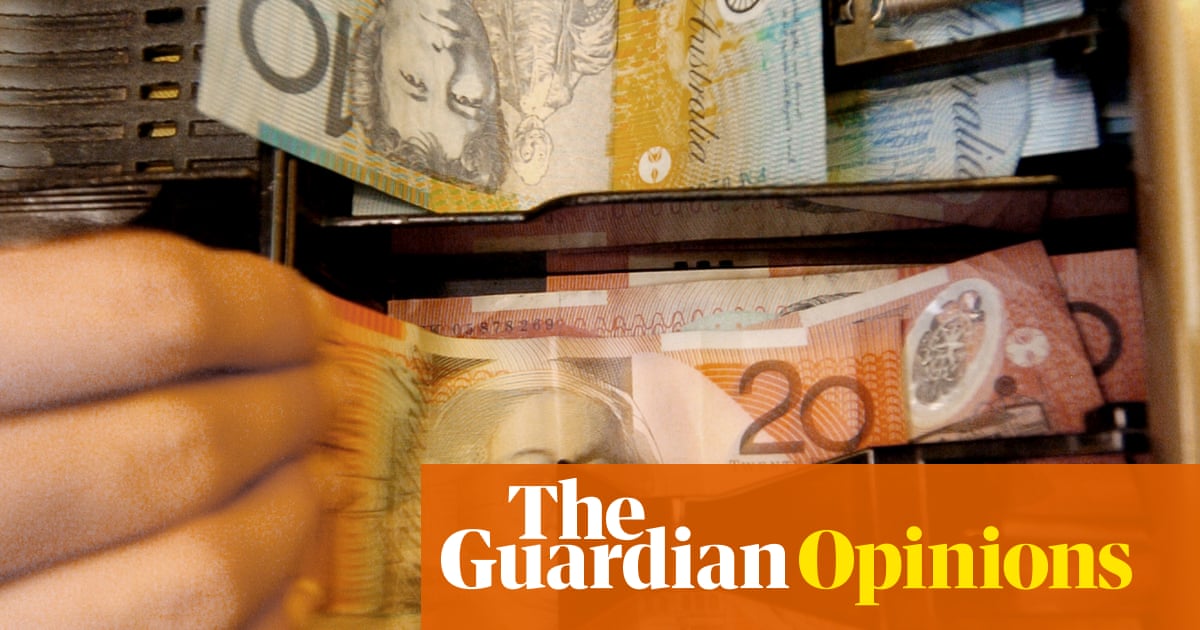
“Oh my God! You still use cash?!”
If I had a dollar for every time someone said that to me, I’d have about $1,326, and it’d all be in the cold hard stuff.
Yes, I am a member of that ever-shrinking minority in Australia and across the western world who still carry cash. And while I realise that this makes me seem to most people eccentric at best and desperately uncool at worst (ask my kids), there are good reasons why old-school currency still has currency.
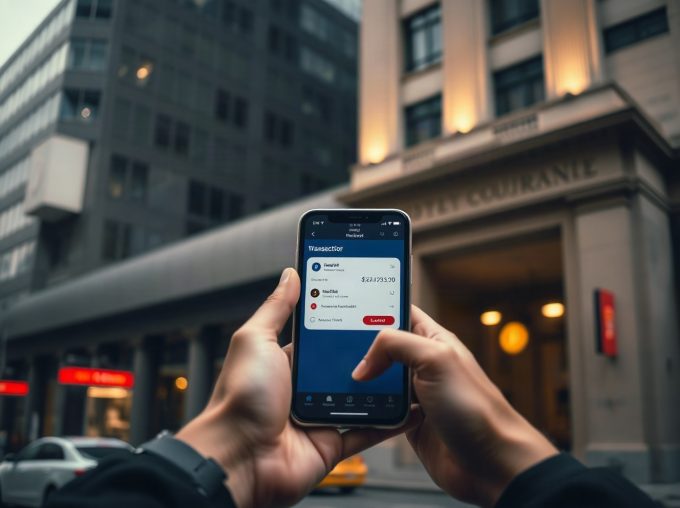
Firstly, it’s a great way to keep track of your spending. Of course, there’s a whole lot of expenses that can only be paid online but you can still pay for a lot in real life and – if you choose – in real dollars. At times when I’ve been on a very tight budget, I’ve found it tremendously helpful to take out what I can afford to spend on the week’s day-to-day expenses in cash. There’s something about paying with a card or phone that makes money seem abstract, slightly unreal and much easier to spend. When you can see it manifested as notes and coins and have to physically count it out, it gives you a better understanding of where it all goes.
Secondly, cash keeps saving me money. You might have noticed the signs near registers stating that credit card purchases incur a 1.5% surcharge. I’ve certainly noticed them. Yes, I know it’s only 1.5%, but do I feel a smug sense of satisfaction when the cashier adjusts the price downwards after I tell them that I’m paying in cash? Oh, indeed I do. Get stuffed, banks! That 1.5% is mine!
Thirdly, the data. Using a card or phone creates a whole lot of information about everything you buy and where and when you bought it. It’s information that can be sold to data brokers who can on-sell it to other data brokers, marketers and advertisers. It’s a hugely profitable business that has the added benefit (for those making the profits) of being extremely poorly regulated. The consumer affairs organisation Choice expressed their concerns about the practice last year.
My fourth reason for committing to cash is the power … or rather when the power goes out. While a cashless society is trumpeted as inevitable, a triumph of human evolution, it’s not much use when the electricity or data is down.
The limitations of cashlessness were exposed on 28 April this year when Portugal, Spain and parts of France were hit with a massive blackout that lasted about 10 hours. Businesses and services were left without any means of electronic payment and large parts of the economy were paralysed. It also dramatically – if temporarily – improved the coolness levels of those who still carried cash, and no doubt caused at least a few to resolve to do so in future.
While the blackout on the Iberian peninsula was more malfunction than conspiracy, a sabotage of the electricity network would have a dramatic impact on economies. It was for this reason that at the end of last year the Swedish government advised citizens that, given the deteriorating international security situation, everyone should keep some physical currency for emergency situations. Cash is a safety measure.
Fifthly, cash is an equity issue. It’s a lifeline for many people in regional and remote areas, First Nations communities with limited digital access and others who needthe safety and security of analogue money. In areas hit by natural disasters it can be the only option when communications and power systems are affected. With no laws to guarantee the right to use cash, big businesses are able to accept electronic payments only, excluding customers who rely on notes and coins.
Finally, the buskers. Street performers these days often have electronic payment options and QR codes, but the whole stopping to bend down so you can tap your card on a dongle thingy is way more complicated and awkward than throwing a handful of change or a note or two into a hat or guitar case. It’s also just feels kind of weird, and the extra steps involved means people are less likely to give.
Unlike buskers, homeless people have no dongles to tap. Many have no bank accounts or access to electronic payments of any kind. Domestic violence survivors may be unable or afraid to use their accounts. Cash is their only option and the kindness of strangers is their lifeline. A cashless society makes looking away even easier – if we know we have no spare change to give a homeless person, then we don’t need to engage in any way and they become even more marginalised. Cash is connection.
You may be a card (or phone) carrying member of the electronic payments club, but remember there’s always the possibility of change – pockets full of it! Physical currency can be good for your fiscal health, your privacy, your community, your security and your stress levels during power outages. Sure, you can keep your cards, but if you keep a bit of cash as well, whatever happens you’ll be on the money.







Leave a comment