
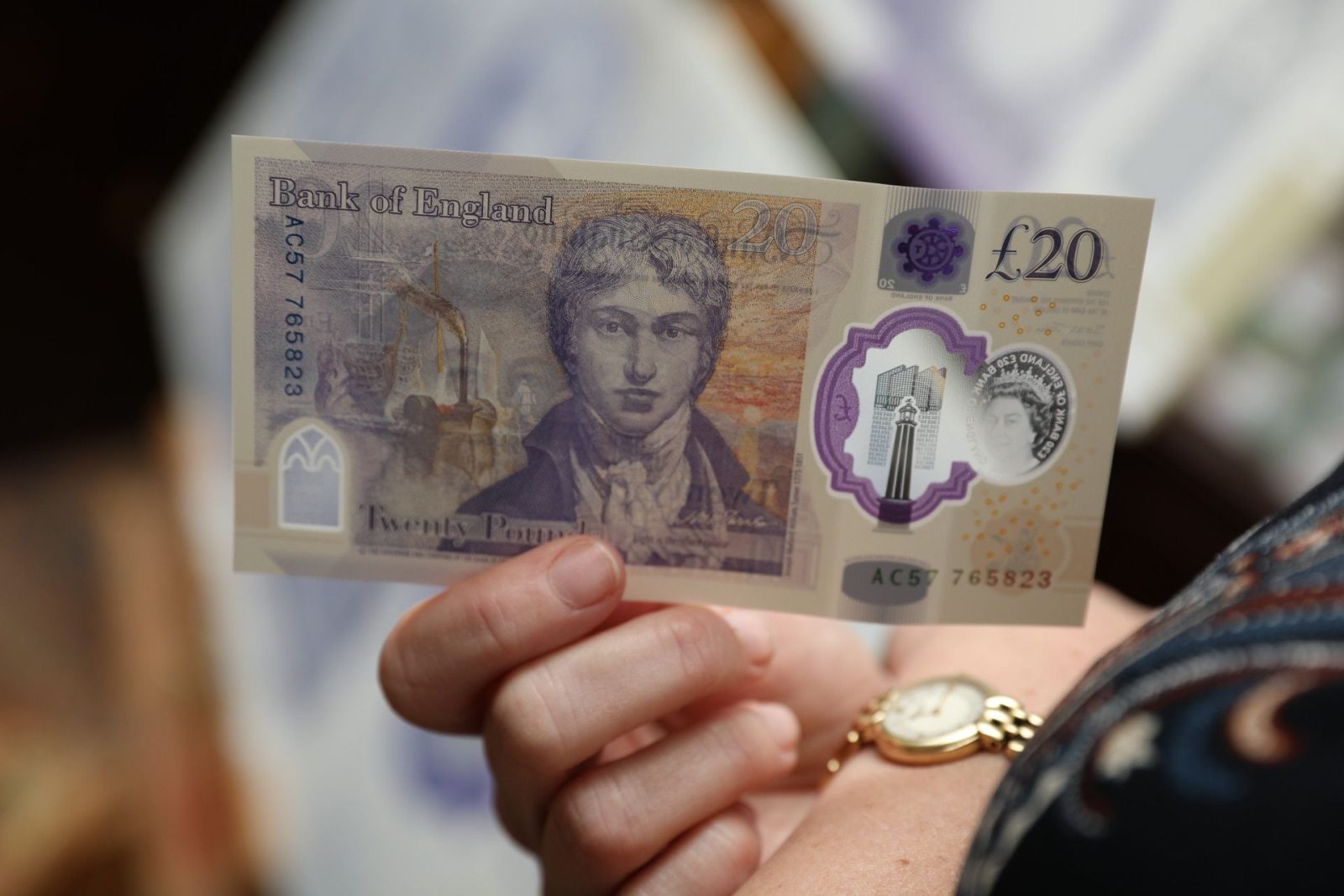
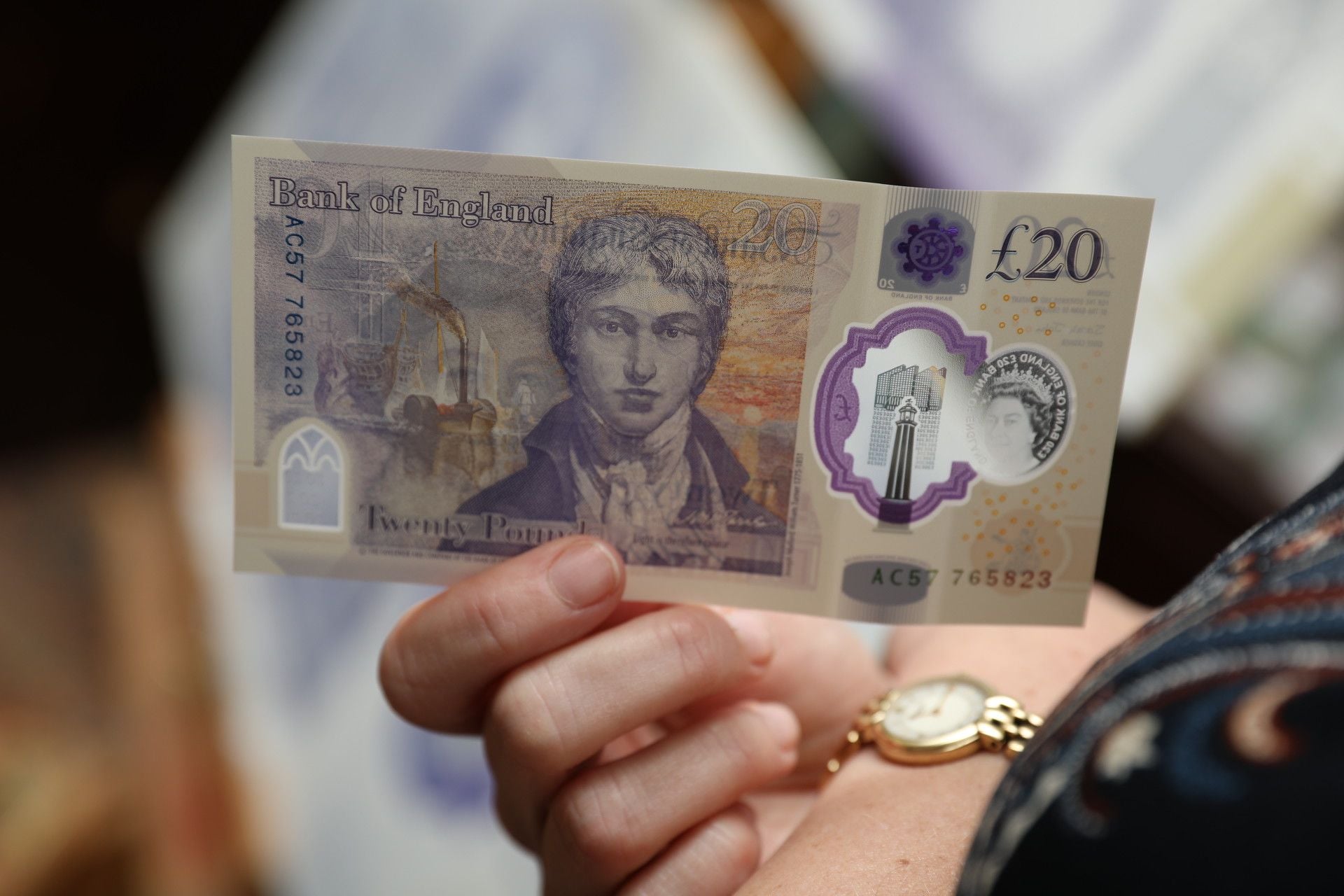
Image © Bank of England
Traders, banks, households – nobody really cares what inflation was yesterday or ten years ago. What matters far more is where it’s headed in six months or a year, because so much rides on that.
Primarily: purchasing power, the ability to pay mortgage interest, and whether a long-term deal with a partner still makes sense. Inflation expectations shape decisions at banks, among investors, and inside businesses – and they can shift the exchange rate of GBP, too. In this post, we explain how and why for people new to macroeconomics.
The Essence of Inflation Expectations
While actual inflation is a fact (it’s already happened), inflation expectations are a bet on
what’s coming next. People, businesses, and even government bodies start acting on that
bet immediately due to a range of economic and psychological processes. These:
- Front-loaded demand. If certain goods look set to get pricier, anyone who can afford to buy now rather than waiting.
- Urge for cheaper alternatives. People start hunting for lower tariffs, cheaper insurance, and transfer services with smaller fees. Often, this comes to trading away something familiar for something cheaper.
- Wage pressure. Workers who expect prices to rise ask for more pay today, and employers pass that cost straight into prices. That’s one of the things central banks worldwide worry about most, the Bank of England (BoE) in particular.
- Asset prices and rates. Investors buy or sell depending on where they think inflation is headed, and the central bank follows, adjusting the interest rate (currently 3.75%).
- Planning horizons get shorter. A year-long fixed-price contract starts to look risky when raw material costs could double under high inflation expectations.
A rush for liquidity is also one of the strong reasons.
Money losing value means people want quick access to it. Speed of transactions becomes a trust signal in itself: for bank deposits, online services, even iGaming. Swift payouts are in higher demand than those one can enjoy only after 5-7 business days. So UK players now browse and compare fast withdrawal casinos on Cardmates and other expert reviewers to get their winnings as soon as possible.
How Inflation Expectations Move the Pound
The link between inflation expectations and the pound isn’t direct – it’s a chain reaction.
Forecasts about future inflation start circulating, the Bank of England reacts, interest rates shift, and capital starts moving: more buying on price-rise expectations and foreign money flowing into bonds or deposits. Currency demand, as well as what companies and individuals actually do, translates that capital movement. This moves the GBP rate.
Why Hasn’t GBP Been Falling Lately?
Despite plenty of bad news, the Bank of England has kept its rate high, 3.75% right now. A high rate draws investment, since returns here beat what’s on offer elsewhere. That capital inflow drives up the currency’s demand, which in turn helps cool inflation naturally, since a stronger pound does exactly that. It’s why GBP/USD has been holding around 1.33–1.34.
So expectations rise, yet the pound holds firm. The flip side also applies: once investors are convinced rates won’t drop anytime soon, the pound can soften a little – only for buyers to step back in, betting on stronger returns down the line, which sets it up to strengthen again.
What’s Shaping Inflation Expectations In the UK Right Now
British anxiety about future inflation jumped in early 2026, driven by an energy shock tied to the escalating Middle East conflict and rising fuel costs.
Actual inflation fell to 2.8% in May–June – the lowest in a while – yet the unease hasn’t faded. Businesses are pricing in inflation near 4% for 2027, still bracing for another round of price hikes on essential goods. A few other things are keeping expectations elevated:
- Energy and food prices abroad.
- Government fiscal policy.
- Wage demands and labour market pressure.
The Bank of England is holding steady and signalling it could hike further if needed – a stance that’s kept the pound from sliding and kept it attractive to foreign buyers.
Who does it affect?
Practically everyone, in one way or another.
- Every family feels it through imported goods, energy costs, and all other aspects that are tied to the currency.
- Companies face higher raw material costs and lower margins.
- Investors see that deposits earn less.
- Borrowers say it’s more difficult to pay for loan services.
How Global Economies Affect the Pound
US and EU macro developments weigh most on it, though plenty of other aspects play a role. For instance, when the Fed raises rates and strengthens the USD, capital flows to the US in search of better returns.
The UK economy doesn’t necessarily weaken as a result, but the pound can still slip against the dollar. Much the same happens when the ECB moves its own rates. So GBP can swing either way, depending on how fast or how cautiously other central banks respond to their own inflation pictures.
Going forward, keep an eye on CPI data and Bank of England statements. They are usually the first sign that market sentiment is shifting. If currency exposure matters to your plans, consider spreading it across a few currencies, and keep tabs on real investment returns and borrowing costs so a rate swing doesn’t derail anything.








Leave a comment