Digital money, in a strict sense, has been with us for a long time. Fortunately, paying, transferring, or accumulating money is, in most cases, a process that no longer involves any physical exchange—neither coins nor bills—nor the use of traditional payment instruments such as checks, cheques, or promissory notes. All of these have been progressively replaced by card charges, transfers, and other transactions reflected only in accounting entries, without the physical movement of money.
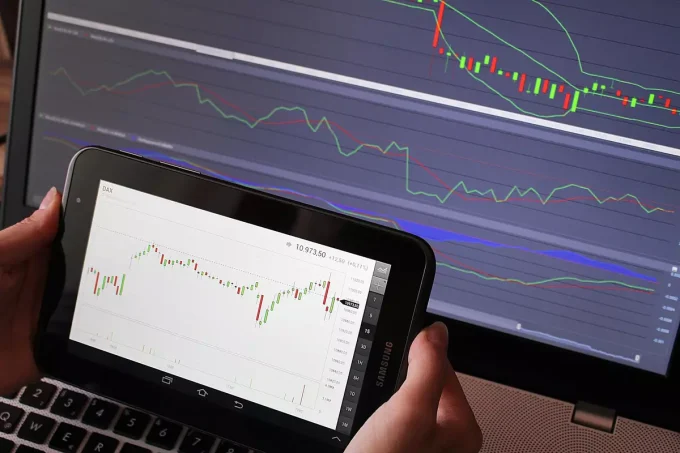
What we now call digital money is a response to the drawbacks that electronic and physical money presented until recently, such as the costs and time of each transaction and the lack of compatibility between payment networks or exchange systems. The emergence and widespread use of technology—first with basic digitalization and more recently with encryption and blog technology (blockchain)– have allowed us to take a decisive step forward. These innovations are causing transformations in the financial system, with disruptive effects that have only just begun.
We divide the set of new versions of digital money into three main types: cryptocurrencies, stablecoins and central bank digital currencies (CBDCs). The technology blockchain, based on encryption and blog connection, avoids duplication in the use of money and reduces intermediaries. With the emergence of blockchain Cryptocurrencies have emerged, the most notable innovation in the parafinancial sector, with a total value exceeding three trillion dollars. However, they cannot yet be fully considered a means of payment or store of value, although they are getting closer. To counteract the volatility of cryptocurrencies, so-called stablecoins, a variation of cryptocurrencies but linked to a traditional (fiat) currency or a basket of currencies or assets, in search of greater stability. They are not supported by monetary authorities, but their ease of use and greater capacity to preserve value make them increasingly acceptable.
Finally, CBDCs are or will be—many of them are merely central bank projects—a digital form of physical money, issued and controlled by the issuer. The digital euro is defined as a version of the physical currency, the current euro, available and convertible to users themselves.
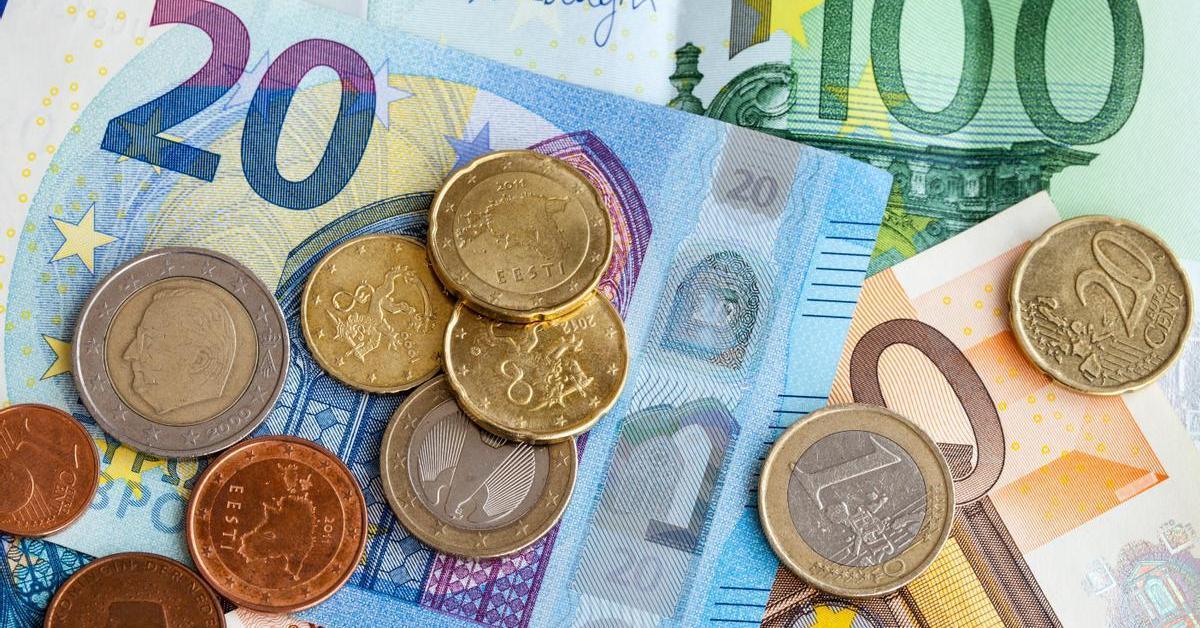
Given this boom in digital money, the question is inevitable: is physical money—banknotes and coins—doomed to disappear? Certainly, its use has only decreased since credit cards, automated teller machines (ATMs), and, twenty years later, electronic transfers appeared in the West in the 1950s. In countries like Sweden and India the disappearance of physical money had been planned, but for different reasons the appearance of the coins has not been fully carried out. cashless societiesThe advantages of going cashless are obvious, especially with the variety of digital alternatives currently available. But the disadvantages of a cashless society are also significant.
First, the disappearance of physical money can be exclusionary for certain segments of the population. People without full citizenship or who work in the shadow economy can only access money through cash. This risk is especially serious for undocumented immigrants and other vulnerable groups with limited digital access.
Second, the loss of privacy must be considered. Although confidentiality in the use of money has already been greatly reduced in digitalized societies, the complete disappearance of cash would completely eliminate this “possibility of privacy,” which is also an expression of individual freedom.
A third factor of concern is the high carbon footprint of many digital transactions, as well as the spasmodic energy expenditure of Bitcoin miners. Finally, behavioral economics and finance show that electronic payment methods increase the desire to consume; containment is easier when we pay with physical money (the tangible perception of expenditure and physical loss) than with digital money.
There’s no doubt that digital money offers significant advantages, particularly in terms of costs, connectivity, and speed of transactions. But there are still important elements that, logically, should make us hold onto banknotes and coins for a long time.









Leave a comment