
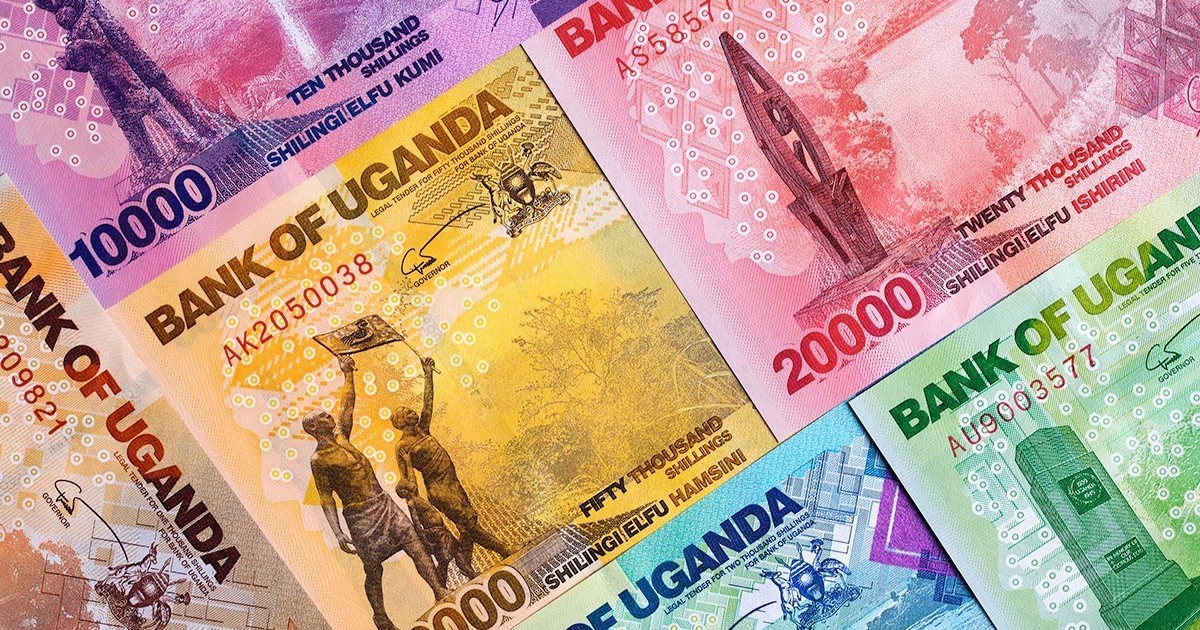
The move signals a significant shift in Uganda’s financial strategy.
Rather than simply encouraging electronic payments, regulators are now actively pushing consumers and businesses away from cash and paper-based transactions and towards digital channels.
Beginning January 1, 2027, individuals will be allowed to withdraw a maximum of $13,700 (UGX50 million) per day and $68,500 (UGX250 million) per week in cash over the counter.
Businesses will face daily withdrawal limits of $137,000 (UGX500 million) and weekly caps of $685,000 (UGX2.5 billion).
At the same time, the Bank of Uganda is slashing cheque transaction thresholds across multiple currencies, further reducing reliance on traditional payment methods.
The maximum value of Uganda shilling-denominated cheques will be cut from $2,740 (UGX10 million) to $1,370 (UGX5 million).
Dollar cheque limits will fall from $2,750 to $1,375, while euro-denominated cheque thresholds will be reduced from €2,250 to €1,125.
Limits for pound sterling cheques will drop from £2,200 to £1,100, while Kenyan shilling cheque limits will be halved from KES300,000 to KES150,000.
Why Uganda is doing this now
The restrictions come as Uganda experiences a rapid expansion in digital finance.
According to Bank of Uganda data, electronic money transaction values rose 28% in 2025 to $100.3 billion (UGX366 trillion), while transaction volumes increased 17.3% to 9.1 billion.
Mobile money, long regarded as one of East Africa’s most powerful financial tools, continues to drive much of that growth.
Mobile money transaction values jumped 40% last year to $18.1 billion (UGX66.1 trillion), while active users climbed to 36.3 million.
The country’s mobile money agent network expanded by 27.5% to more than 1.16 million agents nationwide.
Those figures help explain why Uganda’s central bank believes the country is ready for a deeper shift away from physical cash.
In a circular issued to commercial banks, credit institutions and microfinance deposit-taking institutions, the central bank said the measures align with its goal of building a “modern, digital-first financial landscape” by encouraging the use of secure electronic payment channels.
A wider battle over how money moves
Uganda’s decision reflects a broader trend playing out across Africa as governments seek to formalise more economic activity and strengthen oversight of financial transactions.
Cash transactions are often difficult to track, making tax collection, anti-money laundering efforts and financial monitoring more challenging. Digital payments, by contrast, create transaction records that improve transparency and accountability.
For policymakers, that makes digital finance not only a technology tool but also an economic governance tool.
The move could therefore have implications beyond banking, influencing everything from government revenue collection to the growth of the formal economy.
Despite the growth of digital payments, cash remains deeply embedded in many parts of Uganda’s economy.
Small traders, transport operators, rural communities and informal businesses still depend heavily on physical currency for daily transactions.
For many of them, reliable internet access, banking infrastructure and digital literacy remain uneven.
That means the success of Uganda’s cashless push will depend on whether digital payment systems can absorb a larger share of economic activity without creating new barriers for consumers and businesses.
For now, Uganda has sent a clear message, after processing more than $100 billion (UGX366 trillion) in digital transactions last year, the country believes the future of money is increasingly electronic, and cash may gradually be losing its dominant role.













Leave a comment