
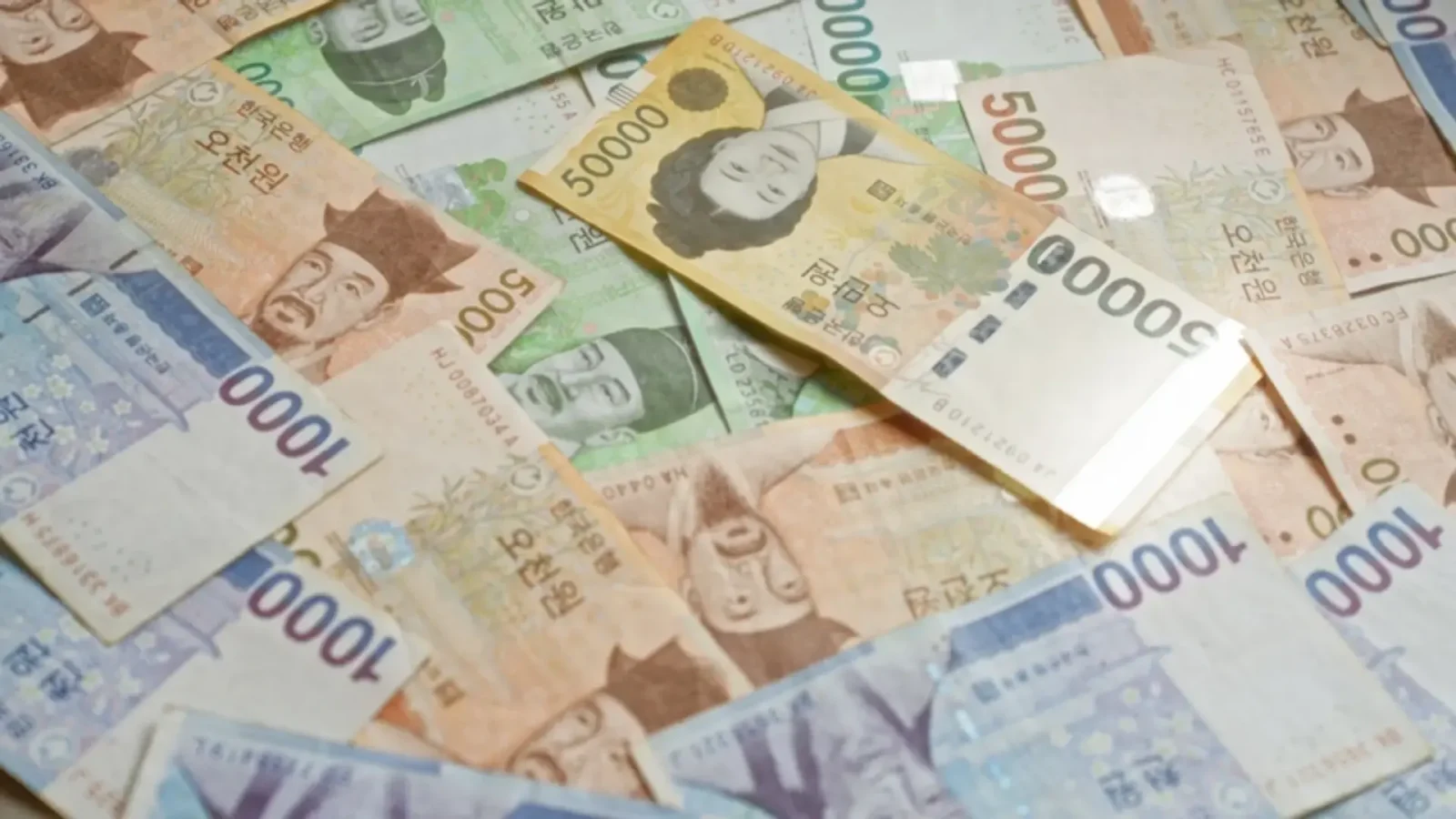
- The article said the won’s value has risen 5.8% this month, the strongest gain among major currencies, while the yen’s value has fallen 0.9%.
- It said $25.6 billion flowing in through the SK Hynix ADR and a shift to net foreign buying of domestic stocks are driving won strength and the spread of short-dollar strategies.
- Experts said the won-yen decoupling is likely to continue for now, while also pointing to a slower pace of declines in the won-dollar exchange rate after next month and possible trading around 1,450 won.
Forecast Trend Report by Period


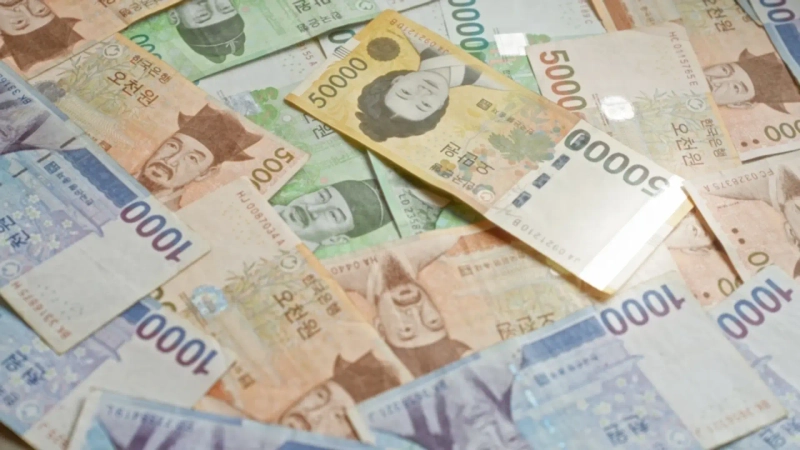
The South Korean won, long one of the weakest major currencies, has rebounded sharply. The won-dollar exchange rate closed at 1,458.5 per dollar in Seoul trading on July 25, down 15.7 won from the previous session. It was the first close in the 1,450s since May 7, when it ended at 1,456.
The won-yen exchange rate also fell to 895.44 won per 100 yen, the lowest in about one year and eight months. The won has gained 5.8% against the dollar this month, while the yen has lost 0.9%. That has strengthened the view that the won is decoupling from the yen, which had moved closely in tandem with Korea’s currency and dragged it lower.
Won Posts Biggest Gain Among Major Currencies; Yen Sinks to 40-Year Low
SK Hynix ADR Brings In $25.6 Billion as Foreigners Turn Net Buyers of Korean Stocks
After moving almost in lockstep for years, the won and yen are now diverging sharply. Despite external pressures including the Middle East war, high oil prices and a stronger dollar tied to the possibility of further US rate increases, the won has posted the biggest gain among major currencies. The yen, by contrast, has continued to weaken. The split reflects changing supply and demand in South Korea’s foreign-exchange market and differences in the two economies’ fundamentals.
Dollar Selling Builds in Korea’s FX Market
According to the foreign-exchange market on July 26, the won rose 5.84% against the dollar from the end of June through July 24. That was the strongest appreciation among major currencies. The euro slipped 0.11% and the Taiwan dollar fell 1.51% over the same period, while the yen lost 0.93%.
The won and yen had moved in similar directions for the past several years because the two countries shared comparable economic conditions. Those included dependence on Middle Eastern oil, large-scale investment plans in the US, household funds flowing overseas and interest-rate gaps with the US. As recently as the end of June, the one-year correlation coefficient between the won-dollar and yen-dollar exchange rates stood at 0.9. A reading closer to 1 indicates stronger co-movement.
As of July 24, the one-month correlation had flipped to minus 0.6. Over the past three weeks, the won-dollar exchange rate has fallen by nearly 100 won, signaling won strength, while the yen-dollar rate has climbed to its weakest level in 40 years. The won-yen rate also dropped to 895.44 won per 100 yen, the lowest in about one year and eight months.
The main reason for the divergence is a shift in domestic foreign-exchange flows that has turned the won higher. Sentiment changed quickly as $25.6 billion raised through SK Hynix’s American depositary receipt listing began flowing into the local FX market. As the view spread that the exchange rate had reached a short-term peak, other exporters also moved to sell dollars more aggressively.
A slowdown in foreign selling of Korean equities also supported the won. Foreign investors, who were net sellers of 149 trillion won worth of shares on the benchmark stock market in the first half and helped weaken the currency, turned into net buyers of 2.546 trillion won over the two weeks from July 13 to July 24. An FX dealer at a bank said expectations for SK Hynix dollar selling have caused the exchange rate to fall sharply on down days while limiting gains on up days. The mood has completely changed from a month ago, and the view that short-dollar strategies remain effective is spreading.
Korea-Japan Economic Fundamentals Also Split Currency Paths
Differences in economic strength and monetary-policy direction between South Korea and Japan have also driven the two currencies apart. With a semiconductor boom fueling expectations that South Korea’s economic growth this year will comfortably exceed 3%, market participants are betting the Bank of Korea will raise interest rates at least two or three more times.
The International Monetary Fund recently cut its 2026 forecast for Japan’s economic growth to 0.6% from 0.7% in April. Expectations that the Bank of Japan will move slowly on further rate increases, as Tokyo maintains an expansionary fiscal stance, are also weighing on the yen. If that trend continues, the Korea-US and US-Japan rate gaps, now 1.0 percentage point and 2.5 percentage points respectively, could widen further. Ha Geon-hyeong, a research fellow at Shinhan Securities, said capital outflows through yen carry trades remain heavy because of the BOJ’s slow pace of rate hikes.
Experts expect the won-yen decoupling to continue for now. Unless the Kospi rebounds to its previous peak, foreign selling of Korean stocks is unlikely to swell to past levels. SK Hynix’s dollar sales are also expected to support the won in the near term. Even so, some in the market expect the pace of declines in the won-dollar exchange rate to slow after next month, when most of the SK Hynix-related flows have been absorbed. If demand emerges to buy dollars on dips, the won-dollar rate could trade around 1,450 won.
The yen’s next move is expected to depend on developments in the Middle East and whether the BOJ follows through with additional rate increases. A prolonged war in the Middle East could intensify concerns about continued US monetary tightening, lifting the dollar further and putting more pressure on the yen.
Shim Seong-mi, Hankyung.com reporter smshim@hankyung.com










Leave a comment