
Washington is preparing a new economic pressure campaign against Tehran that could go beyond traditional sanctions, combining financial restrictions with a blockade of Iranian ports and tighter controls on trade and shipping.
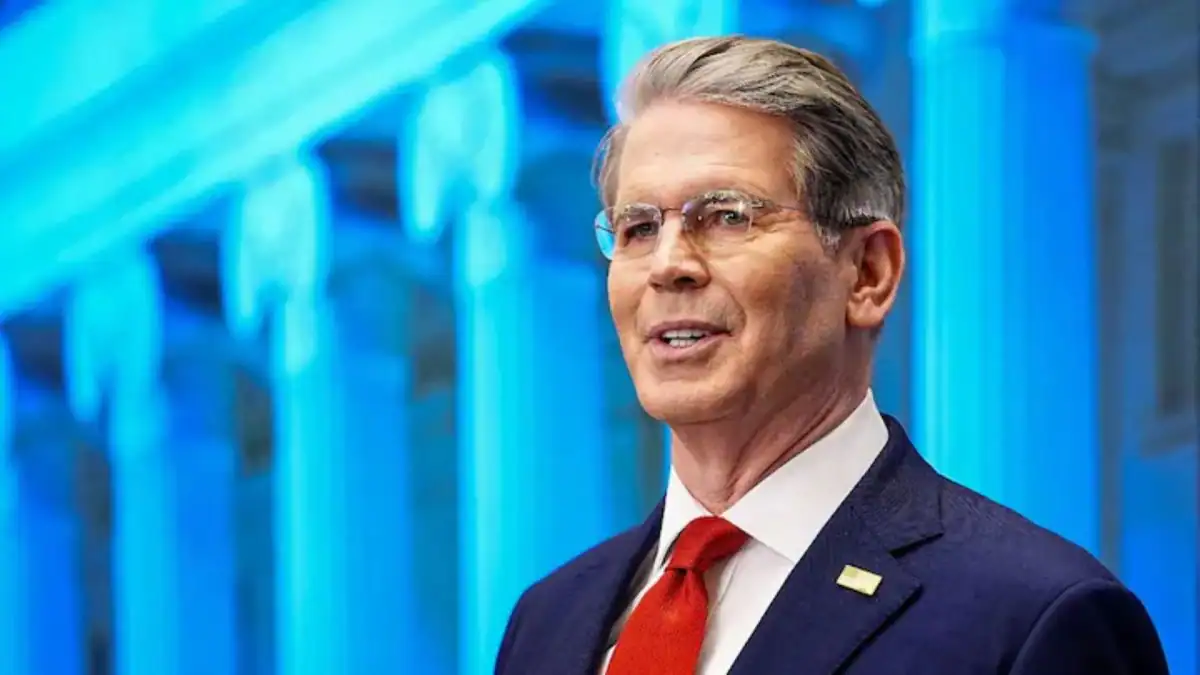
The US is preparing to take its economic pressure campaign against Iran into uncharted territory, with Treasury Secretary Scott Bessent warning that Washington will announce measures next week that have “never been seen” in the history of economic isolation.
Bessent said the strategy would combine sweeping economic isolation with the continued US blockade of the Strait of Hormuz, potentially cutting Iran off from a crucial channel for exports and imports.
The question now is what such an unprecedented pressure campaign could actually mean for Iran and for the global economy.
From sanctions to broader economic isolation
The US has sanctioned Iran for years, targeting banks, oil revenues, companies, individuals and entities accused of supporting Tehran’s military and procurement networks. But the new approach could seek to make those existing restrictions significantly harder to evade.
The objective would be to squeeze the channels through which Iran earns foreign currency, accesses international finance and moves goods.
The Strait of Hormuz could become central to that strategy. Traffic through the waterway has already fallen dramatically since the war began. Reuters reported that more than 130 ships crossed the strait each day before the conflict, compared with only a handful on some recent days. There were no crude-oil shipments visible on Friday, according to ship-tracking data cited by Reuters.
 More from World
For Tehran, that creates a direct economic problem: restricting shipping may give Iran leverage in the conflict, but prolonged disruption also threatens one of its principal sources of hard currency.
Oil, China and the financial channels under pressure
A deeper US isolation strategy could focus on Iran’s ability to sell oil and receive payment for it. Washington could also target intermediaries, financial institutions and trading networks that help Iranian crude reach overseas buyers.
China is particularly important to this equation. More than 90% of Iran’s oil exports go to China, according to the report, making Chinese buyers and the financial institutions supporting that trade a potentially crucial pressure point for Washington. The US has already sanctioned some Chinese refineries and companies involved in Iranian oil trade, but has so far avoided going after major Chinese banks that finance those transactions.
That restraint reflects a larger problem for the Trump administration: aggressively targeting Chinese financial institutions could turn Iran’s economic squeeze into another source of tension between Washington and Beijing. It could also remove discounted Iranian crude from global markets and push oil prices higher.
Washington could also tighten the screws on exchange houses and other financial intermediaries that help Iran convert oil proceeds, much of which can be received in Chinese yuan, into currencies Tehran can use. Some such entities have already been sanctioned. But Iran has spent years developing alternative financial channels, meaning pressure on individual intermediaries could push transactions towards new routes rather than eliminate them altogether.
That would raise the cost and risk of doing business with Iran even for companies that are not directly targeted by US sanctions.
Secondary sanctions, assets and the shadow fleet
The pressure could extend beyond Iranian entities themselves.
One option available to Washington would be secondary sanctions against foreign companies and banks that continue doing business with Iran. Such a policy could force international firms to choose between maintaining access to the US financial system and retaining commercial ties with Tehran. It could affect not only China and Russia but also businesses in neighbouring countries, including US partners such as Turkey. Trump has previously floated the possibility of imposing tariffs on countries continuing to conduct business with Iran, although that threat has not been implemented.
Another possibility is going after Iranian assets held overseas. The US could potentially move beyond simply freezing assets under its jurisdiction and explore confiscation, although the pool of Iranian state assets directly accessible to Washington is limited and seizure would raise significant legal and diplomatic complications. Much of Iran’s overseas wealth is held in third countries, requiring their cooperation.
The US could also broaden its campaign against Iran’s shadow fleet—the network of vessels and companies used to move sanctioned oil. Rather than targeting individual ships, Washington could focus on the wider infrastructure supporting those shipments, including companies and terminals.
The impact would extend beyond oil. Restrictions on banking and payments could make it harder for Iranian businesses to access international markets, while tighter controls on shipping could increase the cost of imports and exports.
Iran has already faced severe economic damage from the war and the renewed US blockade, which Washington says has cut off Tehran’s primary source of hard currency.
The global risk: pressure on Iran, pressure on everyone else
The strategy carries a difficult trade-off for Washington.
A successful economic squeeze could reduce Tehran’s ability to finance its military operations and potentially increase pressure on Iran to negotiate. But restricting Iranian exports and disrupting shipping through Hormuz could also tighten global energy supplies.
The waterway carried roughly one-fifth of global oil and liquefied natural gas flows before the war, making any prolonged disruption a global economic concern.
Oil prices were already around $87 a barrel for Brent and $81 for US crude on Friday, according to Reuters. Higher energy costs could feed into inflation, transport expenses and household fuel prices, increasing the domestic political pressure on Trump.
That leaves Washington facing a fundamental calculation: how far can it push Iran’s economy without imposing significant costs on the global economy and ultimately on Americans themselves?
There is another strategic constraint. If Washington targets Chinese buyers and banks too aggressively, the economic campaign against Tehran could collide with the administration’s broader China policy. “Unless the president decides to prioritise addressing the Iran threat over all other issues, and namely China, it’s unlikely any action they take is going to materially change Iran’s calculus,” Bloomberg quoted Economics analyst Chris Kennedy as saying.
Bessent’s warning therefore suggests that the next phase of the Iran war may be fought not only with missiles and warships, but through banks, oil markets, shipping networks, foreign assets and the international financial system.
And the harder Washington squeezes those channels, the more difficult the question becomes: can the US isolate Iran without creating economic and geopolitical costs that extend far beyond Tehran?
With inputs from agencies












Leave a comment