
30
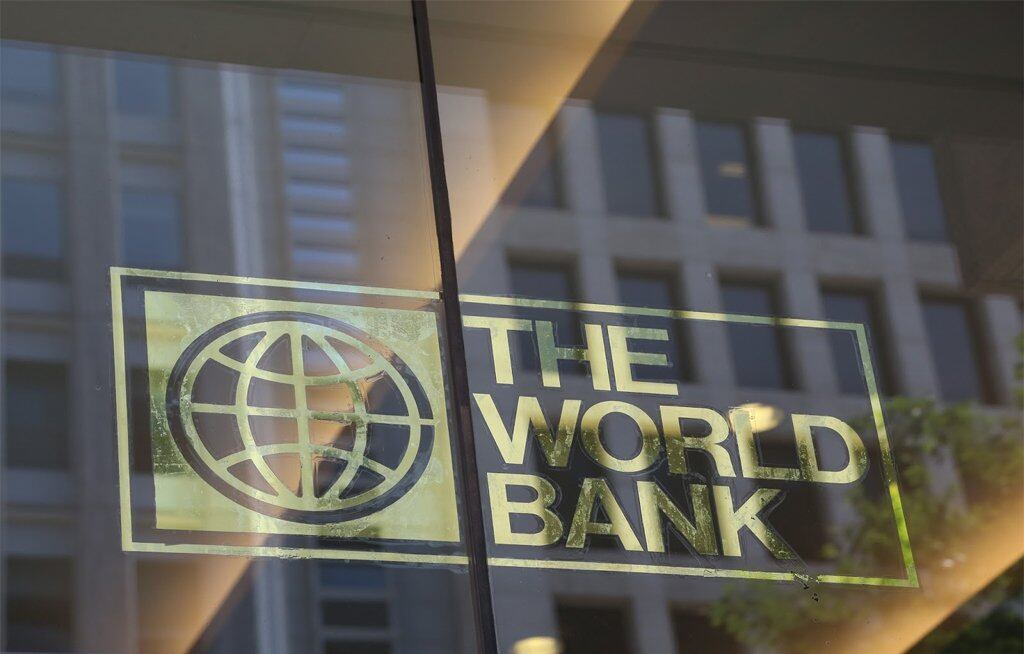
The World Bank has removed its target of allocating 45 percent of its financing to climate-related projects, a policy shift that is prompting concern among development specialists and environmental organisations over the future of climate finance for Africa, where countries remain among the most vulnerable to the economic impacts of climate change despite contributing the least to global greenhouse gas emissions.
The decision follows the expiration of the World Bank’s five-year Climate Change Action Plan, which concluded this week after exceeding its financing objective. During the 2024 financial year, the institution directed approximately US$51 billion, representing 48 percent of its total lending towards projects delivering climate-related benefits. More than one-third of that financing was allocated to African countries, supporting investments in energy infrastructure, climate adaptation, water security and sustainable transport.
 The removal of the numerical financing target comes after prolonged discussions among the bank’s shareholders, with the United States; its largest shareholder, reportedly advocating for greater flexibility in lending priorities, while several European governments and developing countries supported retaining the existing commitment. Although the percentage target has been discontinued, the World Bank has confirmed that its broader climate strategy will continue without a fixed end date.
In an internal communication to staff, World Bank President Ajay Banga said climate considerations would remain embedded across the institution’s operations, describing the bank’s approach as being driven by the priorities and development objectives of its client countries rather than by predetermined financing quotas.
The policy adjustment signals a broader shift in how the institution intends to measure its climate performance. Speaking at the Hamburg Sustainability Conference, World Bank Managing Director Paschal Donohoe said future reporting would place greater emphasis on the outcomes and measurable impacts of climate investments rather than on the proportion of lending allocated to climate-related activities.
According to Donohoe, evaluating development effectiveness through project results rather than expenditure levels reflects a more comprehensive approach to assessing climate interventions. The bank argues that climate action has become integrated across its operational model, making standalone financing targets less central to its long-term strategy.
The change has nevertheless generated concern among development organisations that numerical targets have served as an important mechanism for ensuring sustained investment in climate adaptation, particularly in low-income countries with limited fiscal capacity.
Selma Huart, advocacy officer at Oxfam, warned that abandoning the financing benchmark could weaken accountability and reduce the visibility of climate adaptation within future lending portfolios. She argued that the absence of a clear quantitative commitment creates uncertainty over whether financing for vulnerable countries will remain at current levels, particularly as competing development priorities place increasing pressure on multilateral resources.
For Africa, the implications extend beyond environmental policy. Climate finance has become an increasingly important source of investment supporting economic resilience, infrastructure development and fiscal stability. According to international financial institutions, African economies require substantial investment to strengthen resilience against increasingly frequent droughts, floods, heatwaves and other climate-related shocks that continue to disrupt agricultural production, energy generation, transport systems and public health.
Many African governments have incorporated climate adaptation and resilience into national development plans and fiscal strategies, recognising that environmental risks increasingly affect macroeconomic stability and long-term growth prospects. Multilateral climate finance therefore plays an important role in reducing investment risks while enabling governments to finance infrastructure that would otherwise remain beyond domestic budgetary capacity.
The World Bank has been among the continent’s largest providers of climate-related development finance in recent years. Its investments have supported renewable electricity generation, resilient transport infrastructure, irrigation systems and water security programmes in countries including Madagascar, Tanzania and Niger. These projects have sought not only to reduce climate vulnerability but also to improve productivity, strengthen public services and expand economic opportunities.
The institution’s evolving approach also reflects wider debates within the international development finance community over how climate finance should be measured. Some policymakers argue that focusing exclusively on expenditure targets risks encouraging volume over effectiveness, while others contend that clear financial commitments remain essential for maintaining political momentum and ensuring predictable support for vulnerable economies.
The discussion comes as African countries continue preparing increasingly ambitious Nationally Determined Contributions (NDCs) under the Paris Agreement while simultaneously confronting rising debt burdens, constrained fiscal space and growing investment needs. According to several estimates by international organisations, Africa faces an annual climate financing gap running into tens of billions of dollars, particularly for adaptation projects that often generate significant public benefits but limited direct financial returns.
 The World Bank’s decision therefore arrives at a critical juncture for the continent’s climate agenda. Although the institution insists climate considerations will remain integral to its lending activities, the absence of a formal financing benchmark may place greater emphasis on project selection, implementation quality and measurable development outcomes.
For African governments, maintaining access to predictable climate finance will remain central to achieving development objectives that increasingly depend on resilient infrastructure, sustainable energy systems and effective adaptation measures. As climate risks continue to intensify across the continent, the effectiveness and scale of multilateral financing will remain a significant determinant of Africa’s capacity to protect economic growth, strengthen public finances and build resilience against future environmental shocks.
Was this article helpful?











Leave a comment