
Exporters will be required to report their sales of these strategic commodities to Danantara Sumberdaya from Jun 1
Published Mon, May 25, 2026 · 09:51 AM
[JAKARTA] Global markets and major trading partners can expect updates on Indonesia’s new commodity export policy within weeks as the government works on the legal and structural rollout of its new centralised export agency, according to a trade ministry official.
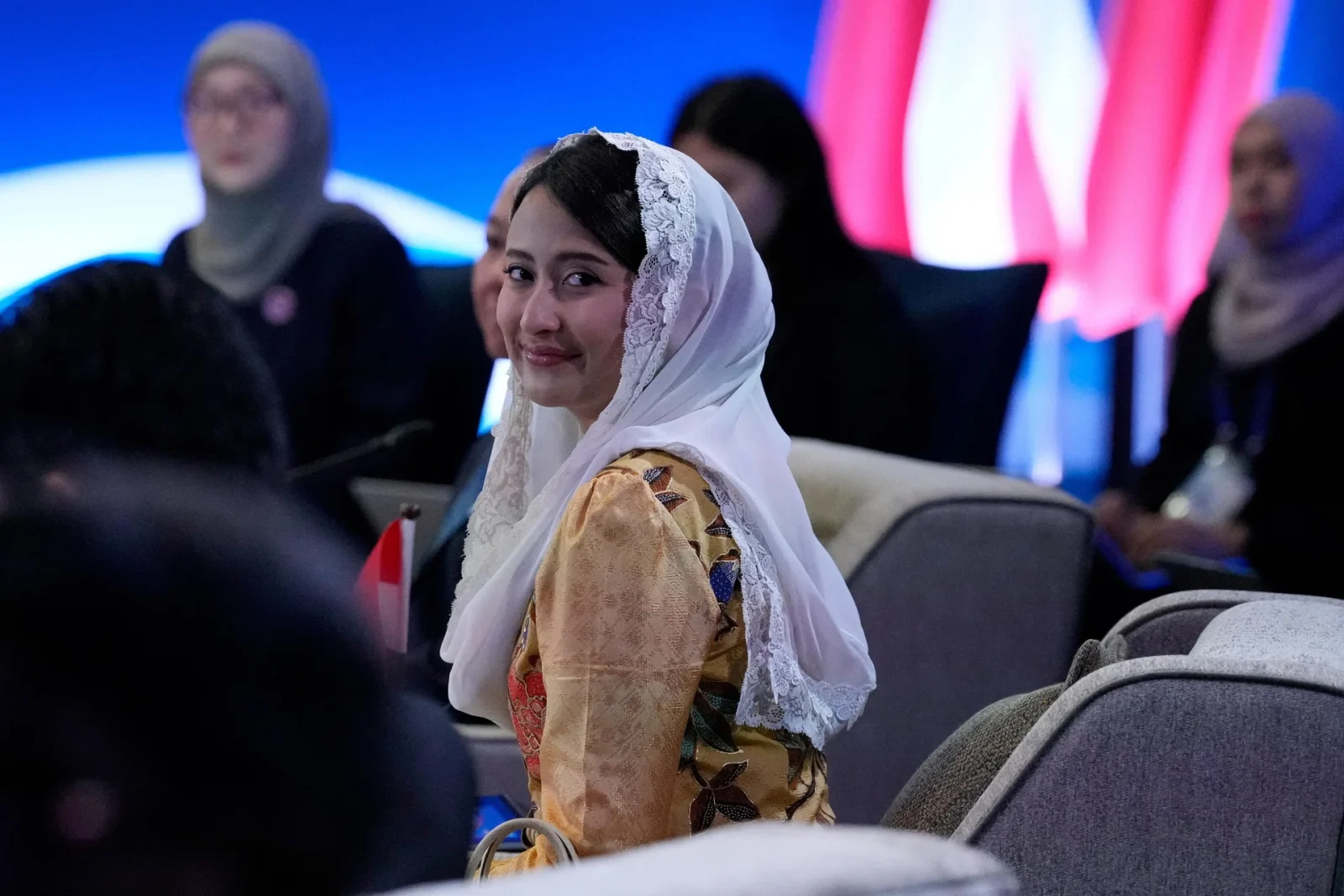
Vice-Minister of Trade Dyah Roro Esti Widya Putri said that the new government entity – called Danantara Sumberdaya Indonesia – is moving from concept to execution. She was speaking in a Bloomberg TV interview on Saturday (May 23) at the sidelines of an Asia-Pacific Economic Cooperation meeting in Suzhou, China.
“This is very new, it’s still under progress” in terms of legislation and the setting up of the entity, Roro said. “We are going to see how this progresses over the next few weeks to come.”
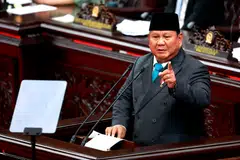
President Prabowo Subianto last week announced the government would take direct control of exports of some of Indonesia’s most important commodities. Officials have said that Danantara Sumberdaya will start by taking over export management of palm oil, thermal coal and some nickel products, markets that Indonesia dominates.
Prabowo cited a need for better oversight of shipments, estimating the resource-rich nation loses up to US$150 billion annually from “leaks” caused by practices such as under-invoicing. Total state revenue in South-east Asia’s largest economy last year was just under US$160 billion.
While key details are still being worked out, there’s set to be an initial transition period where exporters will be required to report their sales of these strategic commodities to Danantara Sumberdaya from Jun 1. The entity is expected to take control of export contracts, shipping and payments at a later date once new teams and systems are in place.
Such sweeping changes have unnerved investors, who worry Indonesia could be drifting away from the market-friendly and fiscally disciplined approach that has underpinned its economic stability.
The trade ministry will strive to roll out a highly structured, step-by-step communication strategy for international buyers and local stakeholders as the system transitions, Roro said. Every development over the coming weeks will be disseminated transparently to ensure global supply chains face minimal disruption, she added.
The government’s move is essential to “protect our national interests” and maximise export revenue, Roro said.
SEE ALSO
“There are many major commodities that we are currently exporting,” she said, adding that there needs to further comprehension of how “the export of these commodities can have a positive multiplier effect to our nation”.
Beyond standardising domestic commodity rules, Roro highlighted Indonesia’s pursuit of broader global trade integration as a priority. She said that the Indonesian trade mission generated about US$88 million in potential transactions during the Apec meetings, focusing on exporting agricultural goods such as fruits to the Chinese market. BLOOMBERG
Decoding Asia newsletter: your guide to navigating Asia in a new global order. Sign up here to get Decoding Asia newsletter. Delivered to your inbox. Free.









Leave a comment