
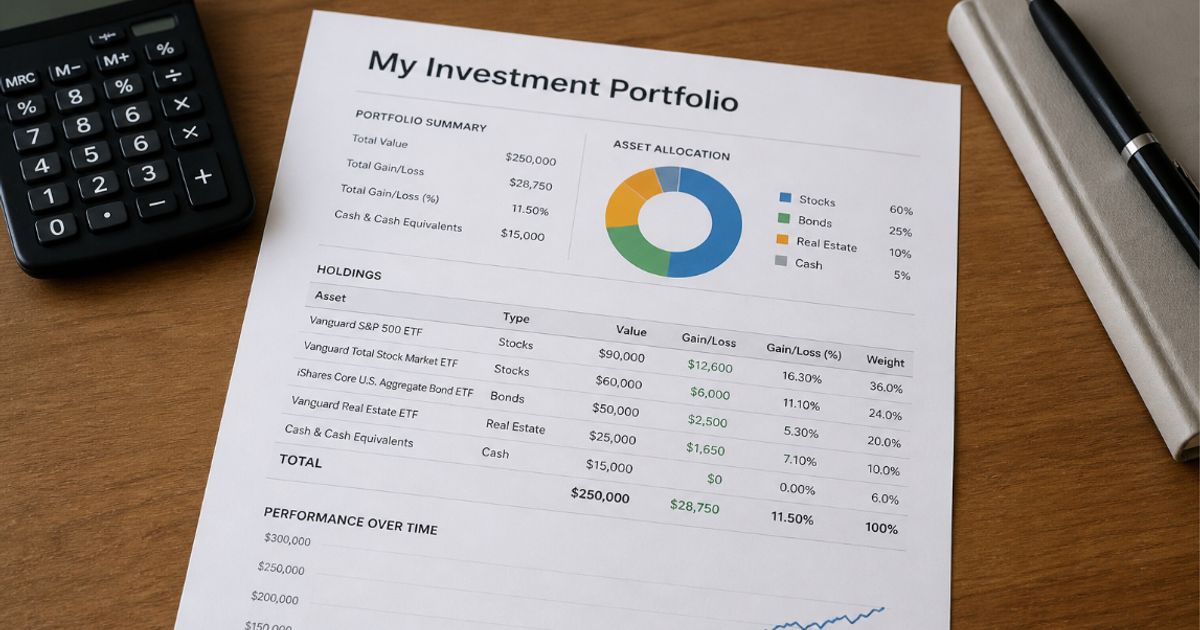
With June 30 closing in, now is the time for investors to take stock — literally and figuratively. Whether you hold shares, managed funds, property, or crypto, the decisions you make in the next few weeks can have a material impact on your tax position for the year. In this article, director of Tax Communications at H&R Block (NYSE:HRB) Australia, Mark Chapman, looks at how to approach year-end planning with your investment portfolio in mind.
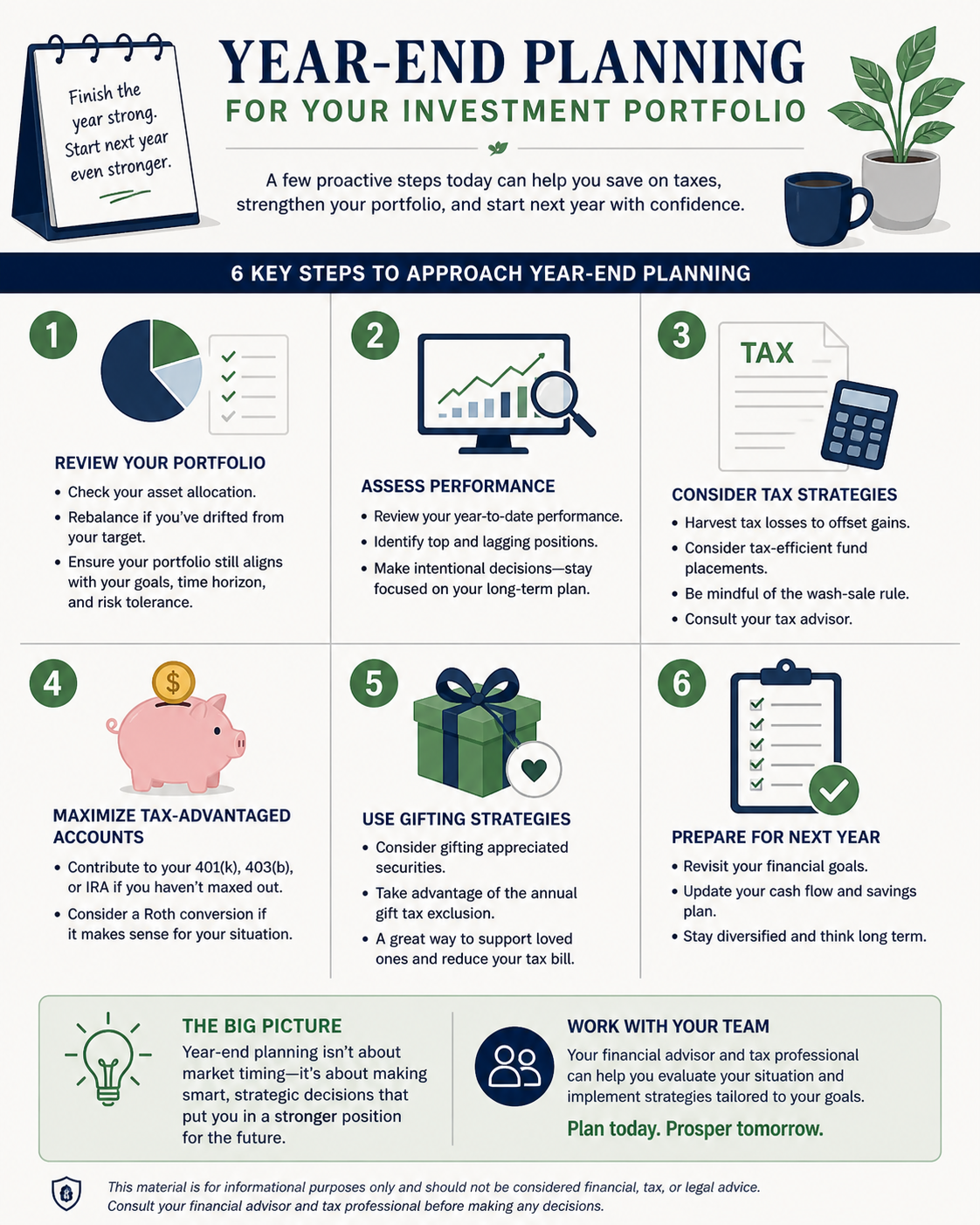
Start with your capital gains position
The first thing any investor should do at this time of year is calculate their net capital gains position for the financial year. Add up all realised gains from asset sales — shares, ETFs, managed funds, property, cryptocurrency, or any other CGT asset — and offset them against any realised capital losses from the same year.
If you’re sitting on a net capital gain, you have a few weeks to consider whether crystallising losses on underperforming holdings makes sense. This strategy — often called tax-loss harvesting — involves selling assets that are sitting below your cost base to generate a capital loss that offsets your gain, reducing the tax you owe.
The important discipline here is to separate genuine investment decisions from tax-driven ones. Selling a quality asset purely for a tax benefit, only to watch it recover in July, is a trap that costs investors more in the long run than the tax they saved. The question to ask is: would I sell this holding regardless of the tax outcome? If the answer is yes, the timing just got smarter.
Watch the 12-month CGT discount
If you’ve sold — or are considering selling — an asset you’ve held for less than 12 months, you’ll pay CGT on the full gain at your marginal tax rate. Hold it past the 12-month mark and you’re entitled to the 50% CGT discount, effectively halving your taxable gain.
This is one of the most straightforward tax levers available to individual investors, and it’s worth checking the acquisition dates on any holdings you’re thinking of liquidating. If an asset is sitting at a significant gain and you’re only weeks away from the 12-month threshold, waiting can make a substantial difference to your after-tax return.
Don’t overlook carried-forward losses
Capital losses that exceed your capital gains in a given year don’t disappear — they carry forward indefinitely and can be applied against future capital gains. If you have prior-year losses sitting on your tax record, now is a good time to review them with your accountant and consider whether it makes sense to realise gains this year that can be partially or fully sheltered by those losses.
This is particularly relevant for investors who took losses during volatile market periods and have since seen their portfolios recover. Using those banked losses strategically is legitimate and smart tax planning.
Managed funds: watch for distribution surprises
If you hold managed funds or ETFs that make annual distributions, be aware that June distributions can include embedded capital gains — gains realised inside the fund throughout the year, distributed to unitholders regardless of whether they’ve sold anything. Buying into a managed fund shortly before its distribution date can result in you receiving — and paying tax on — a gain that accrued before you even owned the units.
Check with your fund manager on expected distribution timing and composition before making any last-minute additions to managed fund holdings. This is a nuance that catches newer investors off guard every year.
Superannuation: The investor’s most tax-effective structure
For long-term investors, superannuation remains the most tax-advantaged environment available in Australia. Earnings inside super are taxed at just 15%, and capital gains on assets held longer than 12 months are taxed at an effective rate of 10%. In retirement phase, those rates drop to zero.
If you haven’t maximised your concessional contributions for the year, consider whether a personal deductible contribution or salary sacrifice arrangement makes sense before 30 June. The concessional cap for the current financial year applies — your accountant or financial adviser can confirm whether you have unused cap space, including any carry-forward amounts from prior years if your super balance permits.
Investment property: a checklist before June
Property investors should use the remaining weeks of the financial year to ensure all legitimate deductions are captured. Review your depreciation schedule — if you don’t have one, a quantity surveyor report can unlock significant deductions on both the building and its fixtures. Ensure all property-related expenses incurred before 30 June are paid and documented: rates, insurance, property management fees, maintenance, and loan interest.
If you’ve made genuine repairs during the year — not improvements, which are capital in nature — confirm these are correctly categorised and claimed in full.
Get the sequencing right
One final consideration: the order in which you realise gains and losses, make contributions, and time income events can interact in ways that affect your marginal tax rate, Medicare levy surcharge exposure, and eligibility for various offsets and rebates. These interactions are where professional advice earns its keep. A tax agent or financial adviser like Tax Return & Tax Accountants in Australia | H&R Block Australia can model the after-tax outcomes of different scenarios before you commit to any action.
The window for year-end investment tax planning is narrow — but for well-prepared investors, it’s genuinely valuable. The time to act is now, not on June 29.
This article is general in nature and does not constitute personal financial or tax advice. Consult a registered tax agent or licensed financial adviser for guidance specific to your circumstances.
About the author
With over 30 years of experience as a tax professional in both the UK and Australia, Mark Chapman has established himself as a leading expert in taxation for individuals and small to medium-sized enterprises (SMEs). Currently serving as the director of Tax Communications at H&R Block Australia, Mark has been with the company since 2015, where he plays a pivotal role in shaping and delivering tax advice across various media channels.













Leave a comment