
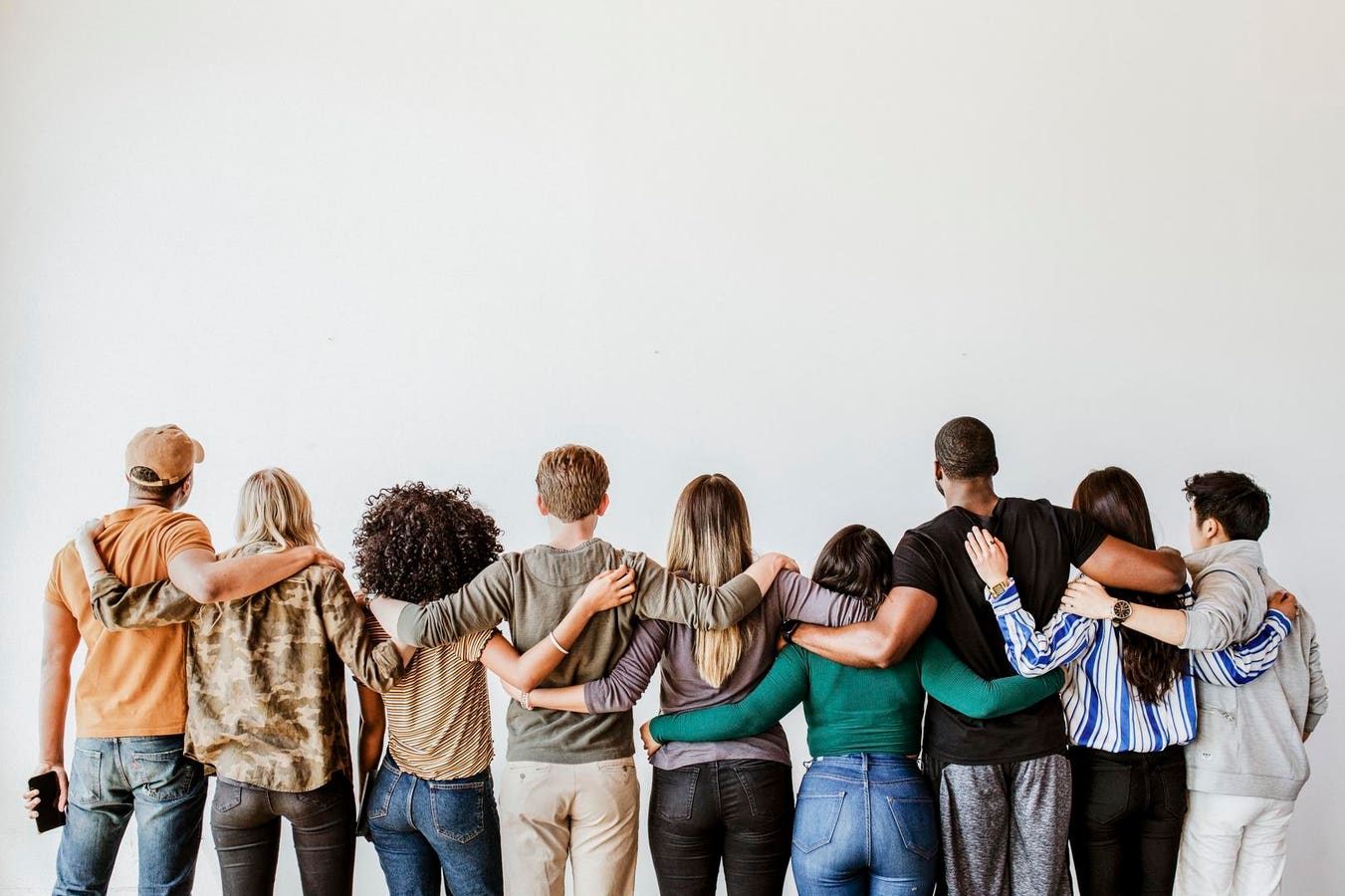
For decades the concept of third spaces, coined by sociologist Ray Oldenburg, has been defined as not home, not work, but somewhere in between. The term has described the coffee shops, barbershops and corner bars where community happened by accident.
Then those spaces quietly disappeared, largely connected to post-COVID social isloation. Remote work erased the office watercooler. Nightlife got expensive. Social media promised connection and delivered scrolling instead. A 2024 Harvard survey found that 67% of adults feel social and emotional loneliness because they are not part of meaningful groups, and that number is doing a lot of explanatory work right now.
Because the third space is back, and it is being rebuilt on purpose. Longing for connection and community have taken over. There’s even a rapidly-growing movement on social media to stop “doomscrolling” and start connecting. Influencers who promote community over content as more beloved than ever.
Suddenly, what used to be an afterthought has become the hottest trend of 2026: community building. Run clubs got there first. Wellness brands like Othership followed with a cold plunge culture that TikTok turned into a genuine social ritual. And now music and pop culture are catching up fast, with artists and community platforms treating in-person gathering as core strategy rather than a press stunt. Membership clubs are on the rise, reportedly projected to grow into a 59 billion dollar industry by 2033. As we move on from an isolated world, and move towards an increasingly connected one, here’s who’s leading the charge.
“We’re anti-doomscrolling, anti-LinkedIn networking, and anti-social media. We believe technology should be the starting point for meaningful human connection and enable connection in a fun and light way even for the most high value professionals of our time”

Paso Run Club in Queens, New York.
Paso Run Club
Run Clubs Got There First
If you want proof that third spaces are back, look at your feed. Strava’s Year in Sport report clocked a 59% rise in run clubs and group activities, and 58% of respondents said they had made new friends through a fitness group. That is not a fitness trend. That is a social trend wearing running shoes. Clubs like Paso Run Club in New York City even combine running events with after parties and social activations.
Part of the appeal is economic. A night out with transportation, cover charges and drinks can easily run past a hundred dollars, and that adds up fast for a generation already stretched by rent and student debt. A run club costs nothing beyond a decent pair of sneakers. Part of it is also structural: shared physical effort strips away the performance of a bar or a party. Nobody is trying to impress anyone mid-mile. You show up, you move, conversation happens because there is nothing else to do with the silence.
Run clubs did not invent this instinct. They just proved, at scale, that people will organize their social lives around a third space if someone builds one worth showing up to.
TORONTO. biz-q&a-Robbie-Bent Robbie Bent, CEO of Othership. Othership is a sauna and ice bath spa. From website “The Othership ExperienceA sauna to sweat, ice baths to drop-in and a commons to be yourself with others.” (R.J.Johnston/Toronto Star) R.J. Johnston/Toronto Star (R.J. Johnston/Toronto Star via Getty Images)
Toronto Star via Getty Images
Othership And The Rise Of Cold Plunge Culture
Wellness brands picked up the same signal. Othership, the sauna-and-ice-bath club that started in Toronto and has since expanded to New York, has become something closer to a bathhouse-meets-nightclub than a spa. Its cofounders have described the format as intentionally social: guided sauna sessions, communal cold plunges, and a tea lounge built for lingering rather than leaving. On TikTok, the hashtag has become its own genre, with visitors filming their first two-minute plunge and describing the room as a place to socialize without alcohol.
That framing matters. Several visitors have specifically called Othership an alternative to a night of drinking, a place to be social without the hangover or the tab. It is the same value proposition as a run club, just warmer and then much, much colder. The through-line across both is not the activity. It is that people are actively seeking out structured, in-person environments that feel intentional rather than incidental.
Music And Pop Culture Are Catching Up
The most interesting part of this shift is what happens when it hits entertainment, an industry that has spent the last decade optimizing for the algorithm rather than the room.
Princess Nokia offered an early blueprint in 2025. Instead of a standard listening party, she hosted a collaging event tied to her album Girls, inviting friends and fans to make physical art together while hearing early previews of the record. The format did something a livestream cannot: it gave fans a reason to be in the same room, doing something with their hands, before the music was even the point. Zack Fox has leaned into a similar instinct with his own gathering-style events, treating a show less as a transaction and more as a standing invitation to a recurring crowd.
What both examples suggest is a shift in how artists think about their audience. A listening party is a marketing beat. A collaging session or a recurring hangout is closer to what Othership or a run club offers: a reason to return that has nothing to do with a release calendar.
Membership platforms are building around the same instinct, and betting that people will pay, apply, or show up in person for community that feels vetted and specific rather than open to everyone.
Connection cards at Musly Club’s private dinners.
Musly Club
Musly Club And The Rise Of Culturally Specific Third Spaces
Musly Club takes that instinct a step further by building a third space around a specific cultural identity rather than a general audience. The private, application-only club connects people with Muslim roots worldwide, from entrepreneurs and creatives to first-generation professionals moving between cultures, through curated dinners, small intentional gatherings, and a members-only app for staying connected across cities and countries.
Musly Club’s Founder, Ifrah Khan, speaks to the growing needs for these spaces, stating “In a world built around endless feeds, doomscrolling, and collecting followers, Musly is intentionally different. Every feature is designed to help people spend less time consuming content and more time building genuine relationships.”
Ahead of the aforementioned anti-doomscrolling trend, Musly Club saw a need for more culturally connected spaces. When they stepped up to fill that void, it was further proof that the demand was there. “We’re anti-doomscrolling, anti-LinkedIn networking, and anti-social media. We believe technology should be the starting point for meaningful human connection and enable connection in a fun and light way even for the most high value professionals of our time” Khan confirms.
For a community that is often global and dispersed rather than concentrated in one place, that structure fills a real gap. Mainstream third spaces rarely account for the specific rhythms, values, and shared references of a diaspora, and Musly Club is betting that people will travel further and pay more for a room where none of that needs to be explained. It functions less like a nightlife platform and more like a belonging platform, and it points to where the third space trend goes next: not just more community, but more specific community, built around identity as much as geography.
Why This Is Happening Now
Every category chasing this trend is answering the same underlying demand. People are tired of digital-only connection, wary of expensive nightlife, and actively looking for structured ways to be around other people without the pressure of a date or the cost of a bottle service table. The loneliness data backs it up, and the economics back it up too: free or low-cost group activities are winning against expensive, high-friction ones.
For brands and artists, the lesson is not “throw an event.” It is that community only works as a retention strategy when it feels intentional rather than performative. Run clubs work because showing up is the whole point, not a means to an Instagram Story. Othership works because the room is designed for lingering, not photo ops. The music and culture moments that will define this next wave will be the ones that treat community the same way: not a rollout tactic, but a reason to keep coming back.
Where It Goes From Here
If the last decade of marketing was about building an audience online, the next one may be about building a room worth walking into. Expect more artists to build owned, recurring spaces rather than renting attention for a single campaign, and expect more platforms, from wellness to music to hospitality, to compete on the same axis: who can make a stranger feel like they belong somewhere by the end of the night.






Leave a comment