
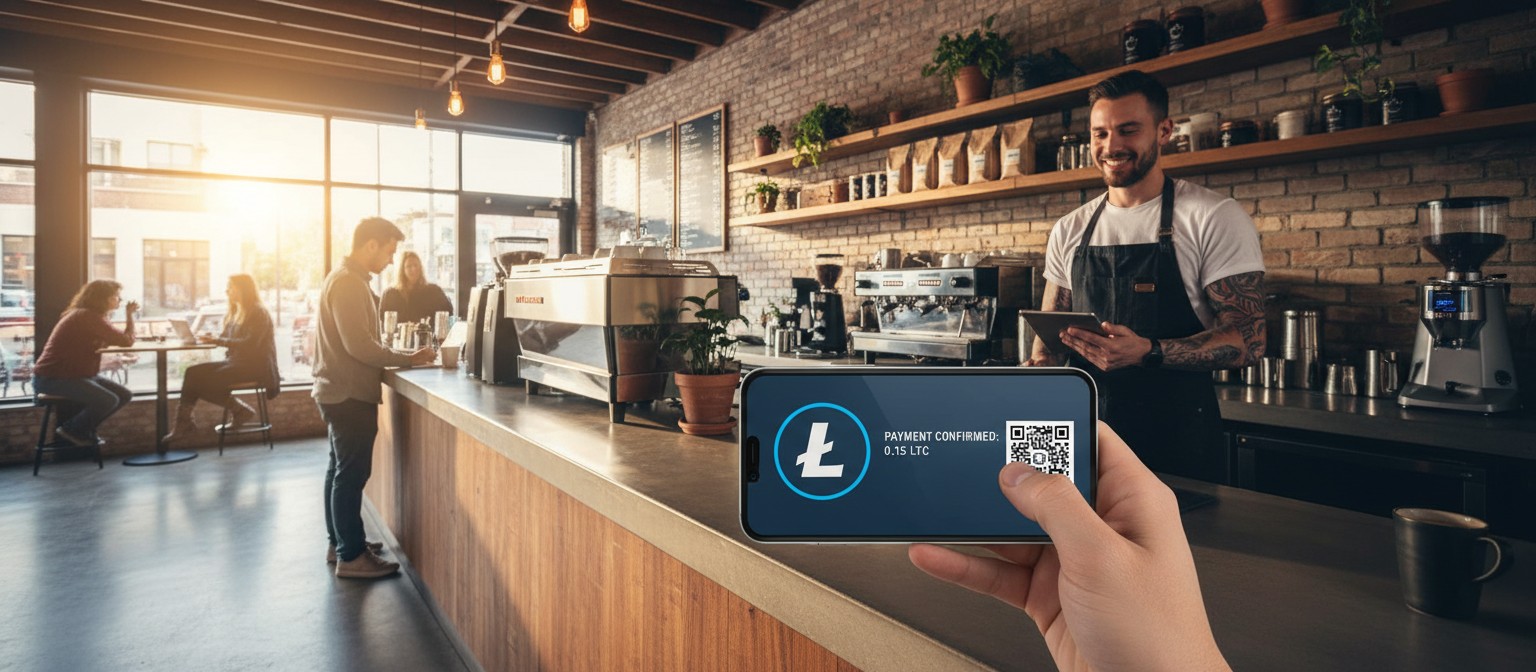
Digital payments have become faster and more accessible over the past decade, but the experience is still not always simple. Bank transfers can take time, international payments often involve multiple intermediaries, and fees can vary depending on the service being used. Even as financial technology evolves, many everyday transactions remain more complicated than they need to be.
Litecoin offers a different approach. Designed as a lightweight alternative to earlier cryptocurrencies, it focuses on speed, low transaction costs, and ease of use. Instead of adding layers of complexity, it aims to make sending value feel as straightforward as using a regular digital tool. This simplicity is what makes it relevant in everyday situations, especially where quick and low-cost transfers matter.
Why Simplicity Matters in Digital Payments
For most people, the ideal payment experience is predictable and frictionless. Whether sending money to a friend, paying for a service, or transferring funds across borders, the expectation is the same: the transaction should be fast, affordable, and easy to understand. When any of these elements are missing, the process becomes less practical for everyday use.
Traditional systems do not always meet these expectations. Transfers can be delayed by processing times, fees may not be transparent, and cross-border payments often require additional steps. These limitations create small but consistent barriers that affect how often and how comfortably people move money.
Simplicity, in this context, is not about reducing functionality – it is about removing unnecessary friction. A system that allows users to send value directly, without complex procedures or hidden costs, aligns more closely with how digital interactions are expected to work today. This is the gap that cryptocurrencies like Litecoin are designed to address.
What Makes Litecoin Different
Litecoin was created with a clear focus: to make digital payments faster and more practical without adding unnecessary complexity. While it shares similarities with earlier cryptocurrencies, its design choices prioritize usability in everyday transactions rather than long-term storage or layered functionality.
Fast Transactions Without Complexity
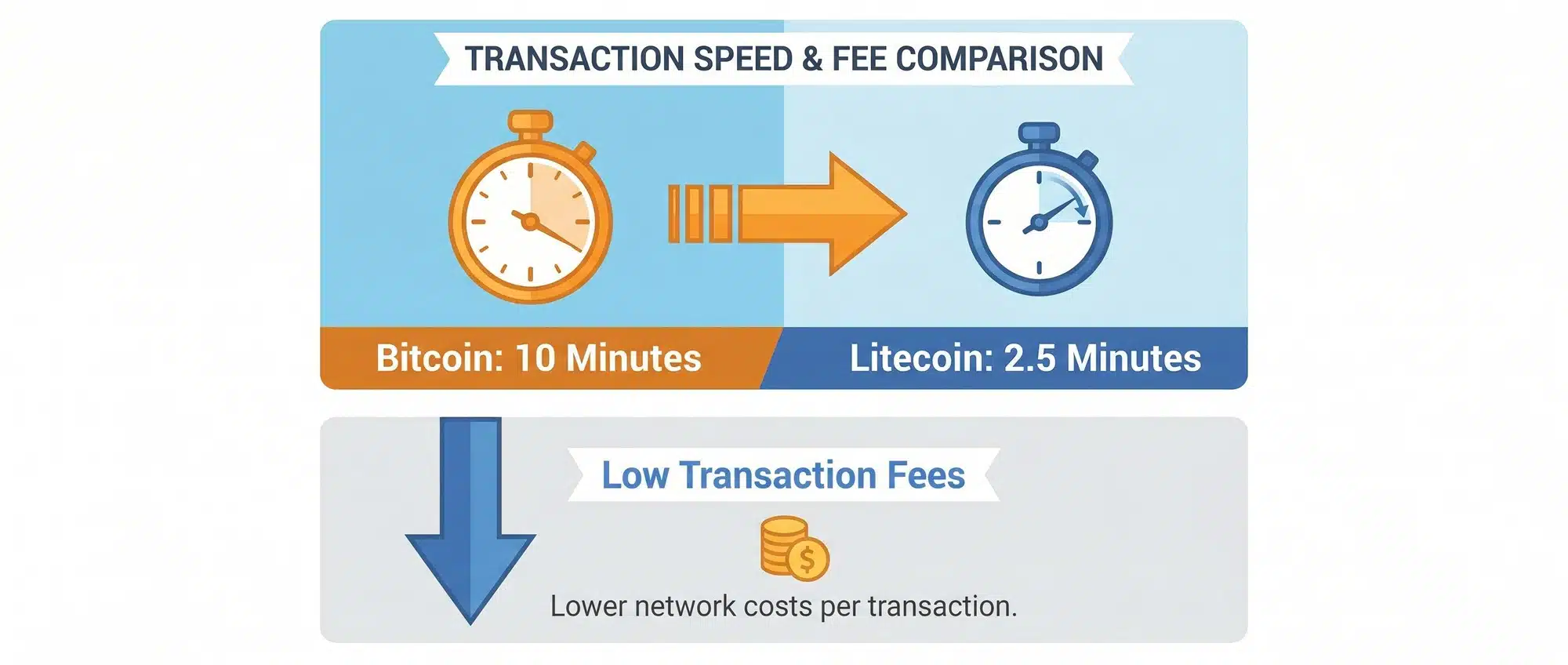
One of the defining features of Litecoin is its shorter block time, which allows transactions to be confirmed more quickly than on some other networks. In practical terms, this means users can send and receive funds with less waiting, making it more suitable for situations where timing matters.
This speed does not come from added complexity. The process remains straightforward from a user perspective: enter an address, confirm the amount, and approve the transaction. The underlying system handles the rest, keeping the experience simple while improving efficiency.
Low Fees for Small Payments
Another important factor is cost. Litecoin transactions typically involve lower fees, which makes it more viable for smaller transfers. This is particularly relevant in everyday use cases where high fees would otherwise make digital payments impractical.
Lower costs also encourage more frequent use. When sending small amounts is affordable, users are more likely to rely on the system for regular transactions rather than treating it as a specialized tool. This reinforces Litecoin’s role as a practical option for simple, everyday value transfer.
How Litecoin Is Used in Everyday Situations
The value of a payment system is best understood through how it is used. In the case of Litecoin, its design makes it suitable for a range of common scenarios where speed and low cost are important.
Sending Money Between People
One of the most direct uses is peer-to-peer transfers. Instead of relying on intermediaries, users can send funds directly to another person using a wallet address. The process is straightforward and does not require approval from a central service, which reduces delays and simplifies the overall experience.
Small Online Payments
Litecoin is also practical for smaller transactions, where traditional payment methods may be less efficient. Because fees are relatively low, sending modest amounts remains economical, making it suitable for digital services, informal payments, or one-time transactions.
Cross-Border Transfers
Transferring money across countries often involves additional steps and costs in traditional systems. Litecoin offers an alternative by enabling direct transfers between users regardless of location. While exchange into local currency may still be required at some point, the transfer itself can be completed more quickly and with fewer intermediaries.
Where Wallets Fit Into the Process
While Litecoin simplifies the transfer of value, users still need a way to access and manage their funds. This is where wallets become essential. They act as the interface between the user and the network, making it possible to send, receive, and keep track of transactions without interacting directly with the underlying system.
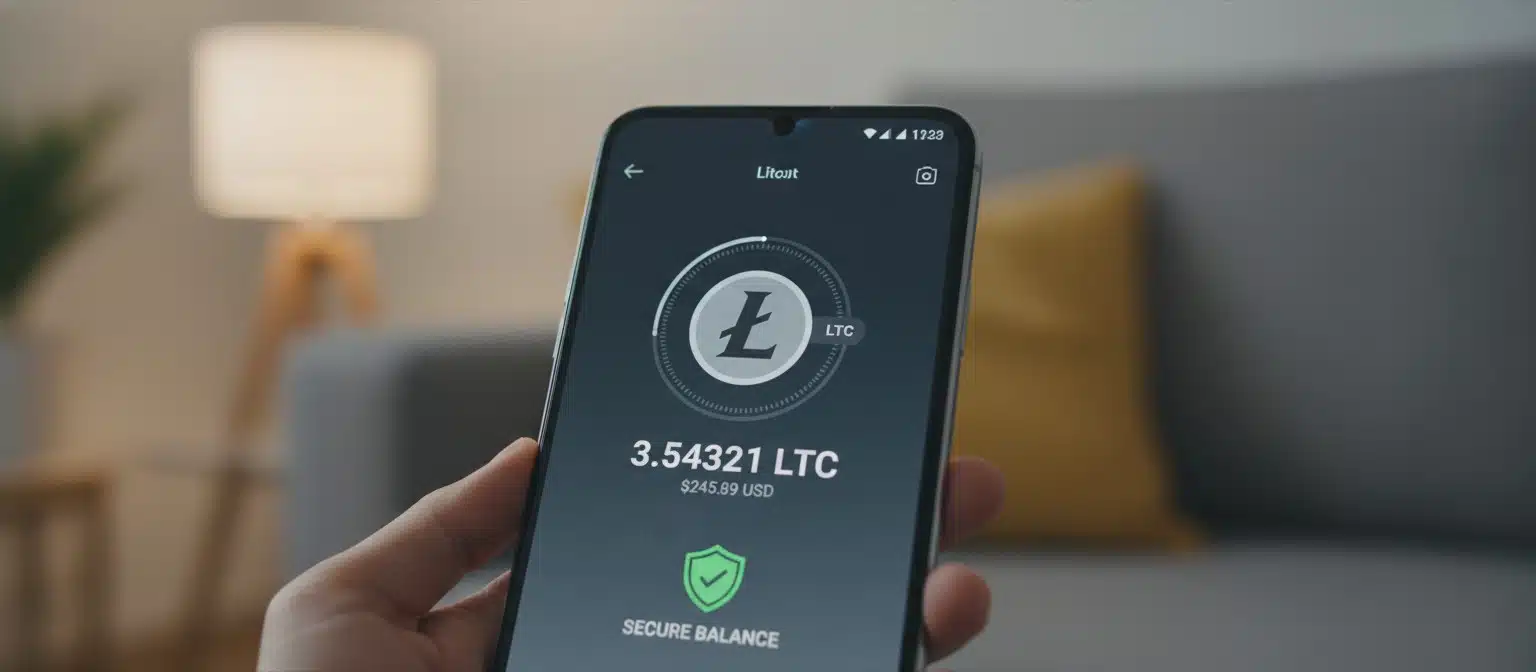
To send, receive, and manage Litecoin directly, users rely on an ltc wallet that connects them to the network. Through this interface, actions that would otherwise require technical knowledge are reduced to a few simple steps, making everyday use practical and accessible.
Accessing and Managing Funds
A wallet allows users to view their balance, generate addresses for receiving funds, and initiate transactions. These actions are presented through a clear interface, which helps reduce errors and makes the process easier to understand.
Although the assets themselves exist on the blockchain, the wallet provides the necessary access to interact with them. This distinction is important because it highlights the role of the wallet as a tool for control rather than a place where funds are physically stored.
Control and Responsibility
With direct access comes responsibility. The wallet determines how access to funds is managed, whether through user-controlled keys or a third-party service. Understanding this distinction helps users make informed decisions about how they store and protect their assets.
Maintaining access to backup information and following basic security practices are essential parts of using any wallet. These steps do not require advanced technical knowledge, but they do require attention, as access to funds depends entirely on how well that information is managed.
Why Accessibility Matters for Wider Adoption
For digital payment systems to become widely used, they need to be accessible to people with different levels of technical experience. Complexity can act as a barrier, even when the underlying technology is efficient. Systems that are easier to understand and use are more likely to reach a broader audience.
Litecoin’s focus on simplicity contributes to this accessibility. By reducing transaction costs and making transfers faster, it lowers some of the practical barriers associated with digital payments. When combined with user-friendly wallets, this creates an environment where interacting with digital value becomes more intuitive.
Accessibility also supports consistency. When users can rely on a system to work the same way across different situations whether sending funds locally or across borders it becomes easier to integrate into everyday use. Over time, this predictability is what turns a technical solution into a practical tool.
A Simpler Approach to Digital Value
As digital payments continue to evolve, the most effective systems are often those that reduce friction rather than add new layers of complexity. Litecoin illustrates this approach by focusing on speed, low costs, and ease of use – qualities that align closely with how people expect digital interactions to work.
The role of the wallet reinforces this simplicity. It serves as the interface through which users access and manage their funds, turning a decentralized network into something that feels familiar and practical. When the tools are clear and the process is straightforward, interacting with digital value becomes less about understanding the technology and more about using it.
In this sense, Litecoin does not aim to redefine how payments work, but to make them easier to use. By lowering barriers and simplifying access, it fits naturally into everyday scenarios where quick and reliable transfers are needed. Over time, this kind of usability is what allows digital payment systems to move beyond niche adoption and become part of routine financial activity.







Leave a comment