
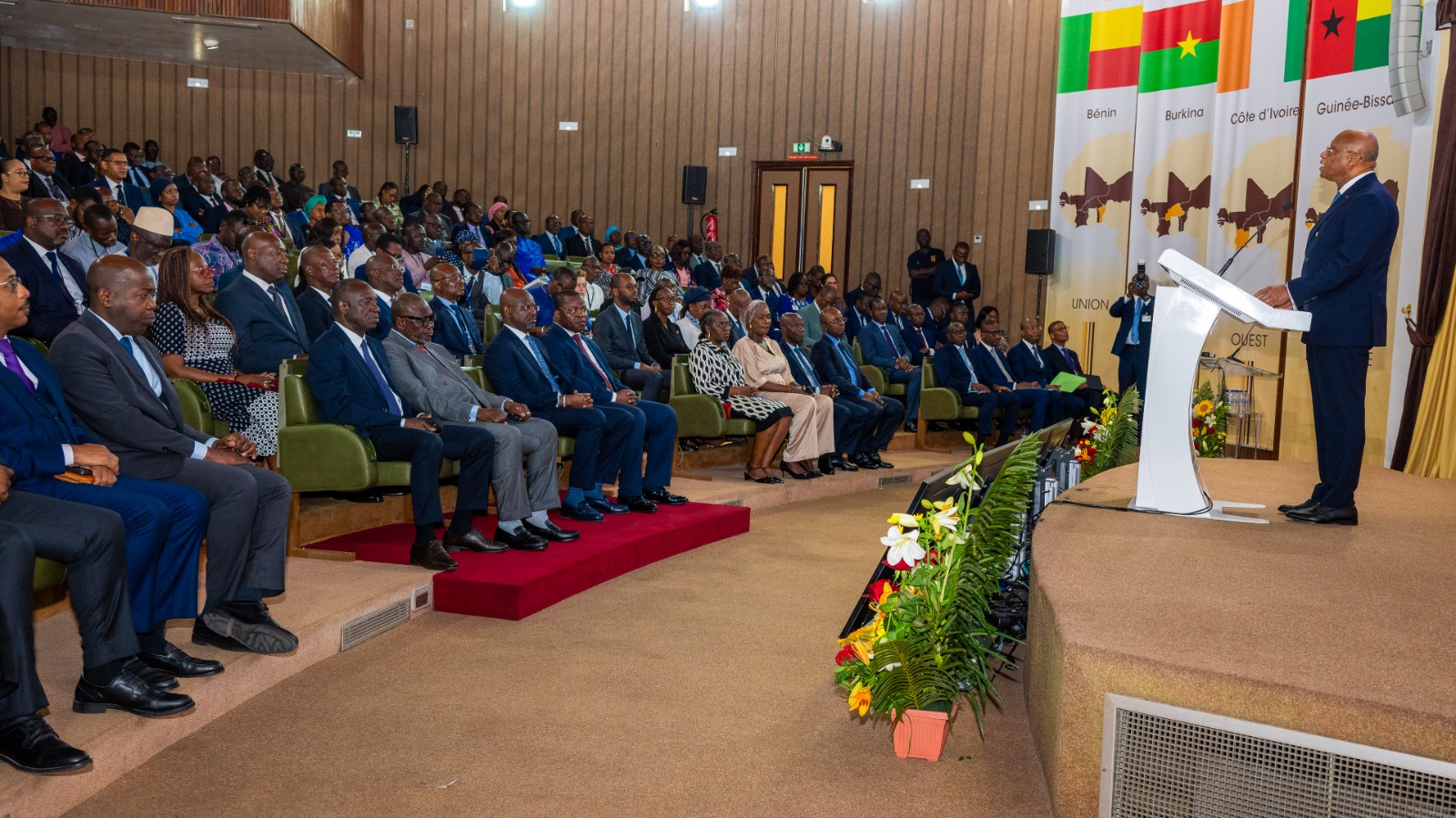
The Central Bank of West African States (BCEAO) provided an update on its work regarding a potential central bank digital currency (CBDC) during the presentation of its 2025 Annual Report on July 22, 2026 in Dakar. Unlike cryptoassets, this currency would be issued and backed by the BCEAO, similar to the banknotes and coins currently in circulation. However, the Central Bank emphasized that no deployment decision had been made yet. A study phase is currently ongoing to assess the relevance of such an instrument for the West African Economic and Monetary Union (WAEMU).
“A central bank digital currency does not come into place overnight. It is first necessary to ensure that it meets a real need and provides added value compared to the payment infrastructures already available,” explained Jean-Claude Kassi Brou, Governor of the BCEAO.
The BCEAO intends to learn from experiences in other jurisdictions before making a decision. If studies conclude that the CBDC does not bring significant benefits to the Union, its launch will not be considered.
A favorable ecosystem for fintechs
To support the digital transformation of the financial sector, the BCEAO has established a Financial Innovation Department responsible for overseeing the development of new payment technologies and fintechs.
This strategy includes an innovation laboratory, or “regulatory sandbox,” allowing innovative companies to test their products and services under the supervision of the Central Bank. The goal is to assess risks, adjust the regulatory framework if necessary, and promote the emergence of innovative solutions in a secure environment.
The Central Bank has also set up a support system for project holders to facilitate their compliance with regulatory requirements.
Regulation of cryptoassets in progress
In response to the rise of cryptoassets, the BCEAO is also continuing its reflections on the development of an appropriate regulatory framework. The institution highlights that these digital assets, issued by private actors, differ from central bank money by the lack of public guarantee, exposing holders to significant risks of volatility and loss.
A roadmap is currently being developed and should lead to regulatory proposals aimed at better regulating the development of these new assets in the WAEMU space.
This approach is also shared by most African central banks. Gathered on May 8, 2026 in Dakar for the BCEAO’s international conference on cryptoassets and digital innovations, their leaders emphasized the need for a cautious approach to the development of these new assets. Unanimously, they advocated for a regulatory framework that reconciles innovation, financial stability, and the preservation of monetary sovereignty.







Leave a comment