
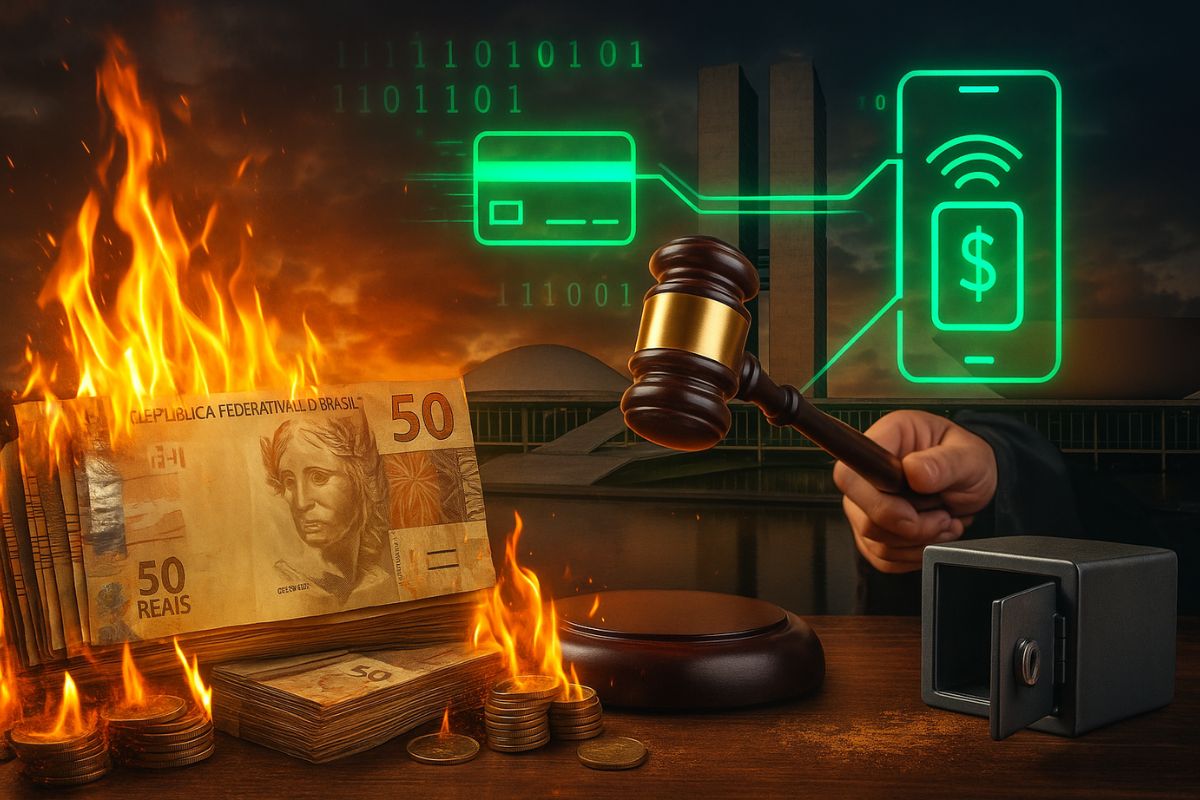
Proposal Presented in the Chamber Proposes Gradual Withdrawal of Bills, Creation of Limits for Carrying Cash, and Total Transition to Digital Means by the End of the Decade.
The Bill 4068/2020, authored by Deputy Reginaldo Lopes (PT-MG), reignited one of the most controversial debates in the Brazilian economy: the end of cash. According to the Marcello Benevides Lawyers office, the proposal could directly impact millions of Brazilians, by establishing deadlines for the withdrawal of circulating notes and even criminalizing the carrying of amounts considered high.
The text provides that notes above R$ 50 would cease to circulate within 1 year after approval. The complete extinction of paper money would occur within 5 years, making Brazil a cashless economy by 2030.
Carrying more than R$ 15.5 thousand in cash would become a crime, and amounts above R$ 1 thousand would require justification of route and proof of origin.
See also
-
Iran to Join BRICS New Development Bank, Led by Dilma Rousseff, Seeking Broader Financial Access Amid U.S. Sanctions

-
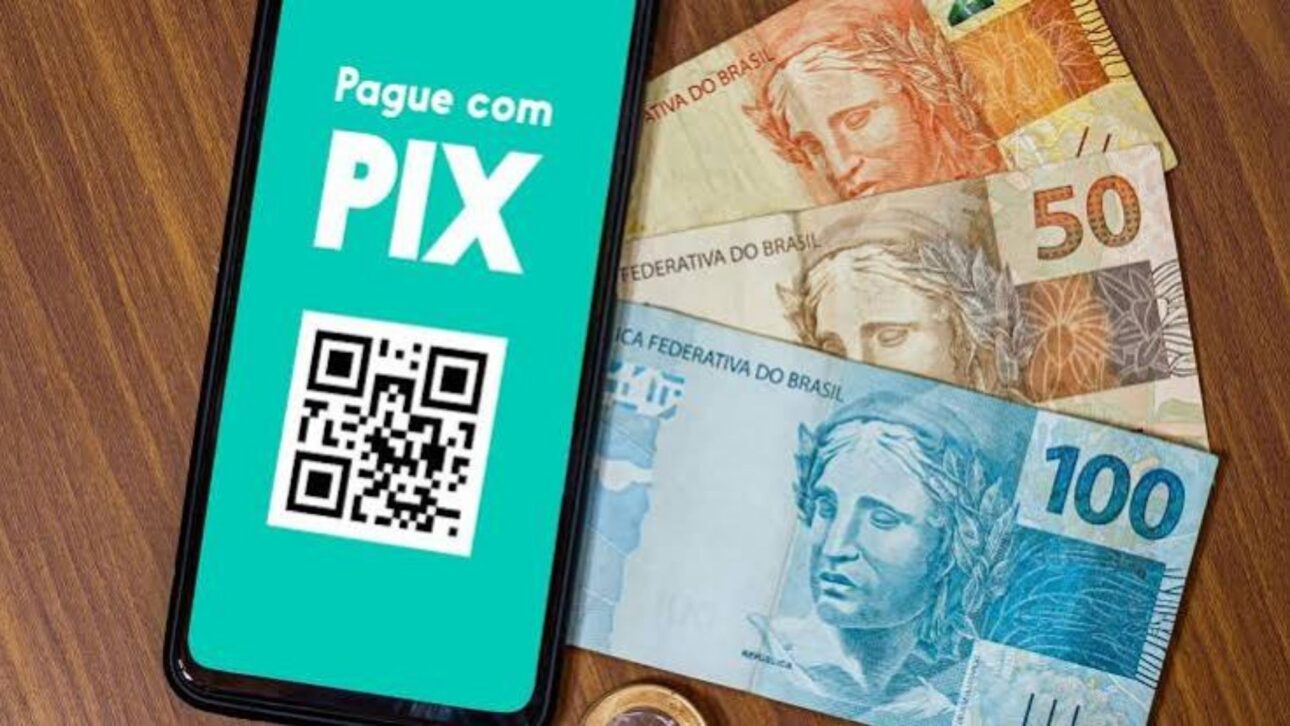
Pix Accelerates Cash Replacement in Brazil: 61% Have Reduced or Abandoned Paper Currency, but Seniors Are Hesitant Due to Scam Fears and Tech Challenges
-
Brazilians Who Moved to Canada Face Harsh Winters and a Housing Crisis that Affects Nearly Half the Population, but Stability, Salaries, and Safety Explain a Community of 151,000
-
Brazilians Who Moved to Portugal Encounter Tight Salaries and Rising Rent, but Language, Safety, and European Life Continue to Attract, With a Community Now Reaching 628,000


Timeline for the Extinction of Physical Money
The Bill establishes a strict calendar: elimination of notes above R$ 50 in just 12 months and complete replacement of paper money with digital means by 2030.
The goal is to prepare the ground for the Drex, the Central Bank’s digital currency expected to operate in 2025.
According to the Marcello Benevides Lawyers, this change would reduce costs associated with printing notes and facilitate the traceability of financial operations.
The Central Bank argues that the Drex could reduce fraud and increase transaction security.
Criminalization of Carrying Cash
One of the most controversial points of the Bill 4068/2020 is the criminalization of carrying large amounts.
Those caught with more than R$ 15.5 thousand in cash would have to prove the origin of the money under the risk of criminal liability.
Additionally, carrying above R$ 1 thousand would require proof of route and purpose of the amount.
For the Marcello Benevides Lawyers, this could create backlogs in the Judiciary and insecurity for merchants, farmers, and transporters, who still rely on cash in their activities.
Official Justifications and Political Resistance
The official argument is to reduce costs and modernize the economy.
Deputy Reginaldo Lopes asserts that digitalization increases efficiency and combats financial crimes.
The Central Bank emphasizes that the Drex will bring traceability and integration to the financial system.
However, there is strong resistance.
In 2024, Deputy Júlia Zanatta (PL-SC) introduced a conflicting project, arguing that eliminating physical currency threatens individual freedom, especially in areas with limited internet access.
Social and Legal Impacts
Jurists and economists warn that the criminalization may directly affect small merchants, street vendors, and rural workers.
Many of them operate in regions where digital means are not accessible.
Another point raised by the Marcello Benevides Lawyers is the risk to citizens’ privacy.
With all transactions recorded, the State would have greater control over the financial lives of the population, which critics consider a form of economic surveillance.
International Comparisons
The Bill 4068/2020 would place Brazil among the countries with the strictest rules against cash.
In China, the digital yuan has been implemented, but without completely eliminating bills. In the European Union, the digital euro is also moving toward coexistence with physical money.
In other words, none of these models have completely eliminated notes, as the Brazilian proposal intends.
The Bill 4068/2020 is still under consideration in Congress, but it has already mobilized supporters and critics.
For some, it represents technological advancement; for others, a threat to freedom and the informal economy that still supports millions of families.
And you, do you think that criminalizing the carrying of R$ 15.5 thousand in cash is a legitimate fight against crime or a threat to the financial freedom of Brazilians? Share your opinion in the comments — we want to hear from those living this reality daily.









Leave a comment