
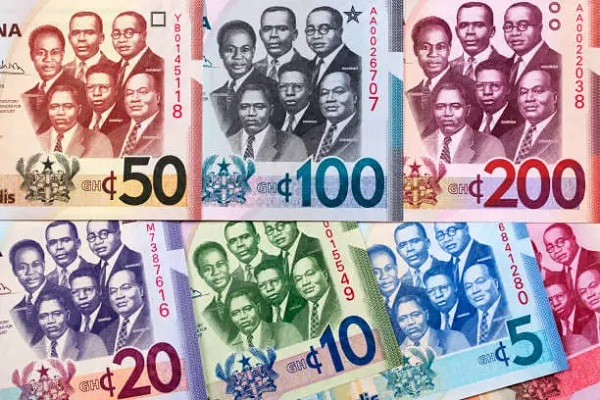
The Bank of Ghana spent significantly less on producing and issuing physical currency in 2025, even though the amount of cash in circulation in the economy continued to increase.
This is based on the Bank’s 2025 financial statements, which show that total currency issuance costs dropped from over GH¢1 billion in 2024 to GH¢471.4 million in 2025.
A major reason for the reduction was the sharp fall in the cost of printing notes and minting coins, which declined by 72%, from GH¢986 million to GH¢277 million.
‘GH¢80 billion BoG losses yet no stability’ – Majority fires NPP government
This suggests that fewer new notes and coins were produced during the year, or that the Bank improved its management of existing cash supply, including the replacement and withdrawal of old currency.
However, some other areas linked to currency management became more expensive. Agency fees increased slightly to GH¢10.6 million, while the cost of importing foreign currency rose from GH¢14.4 million to GH¢16.5 million.
The most significant jump was recorded in other currency-related expenses, which rose from GH¢14.6 million in 2024 to GH¢183 million in 2025. This includes costs such as transport, storage, security, and the destruction of unfit notes, which partly offset the savings made from lower printing costs.
At the same time, demand for physical cash remained strong. Total currency in circulation increased by about 17%, rising from GH¢71.6 billion in 2024 to GH¢83.8 billion in 2025.
Currency in circulation refers to all banknotes and coins held by the public and financial institutions, excluding cash kept in the Bank of Ghana’s own vaults.
In simple terms, while it cost the central bank less to produce new money, more cash was still actively used in the economy, showing continued reliance on physical currency despite the growth of digital payments.
Overall, the figures point to a shift in how the central bank manages cash supply, spending less on production but still dealing with rising demand and higher supporting logistics costs.
SO/MA









Leave a comment