
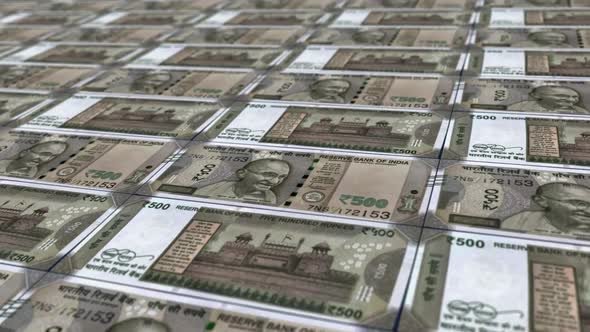
The Reserve Bank of India (RBI) has reported a significant decline in the number of soiled and damaged currency notes withdrawn from circulation, attributing the trend to the increasing use of digital transactions and improved handling practices. Data covering April to July this year indicates that 3.42 billion notes were withdrawn, a decrease of nearly 41 percent compared to the same period last year.
Decline in Currency Wear and Tear
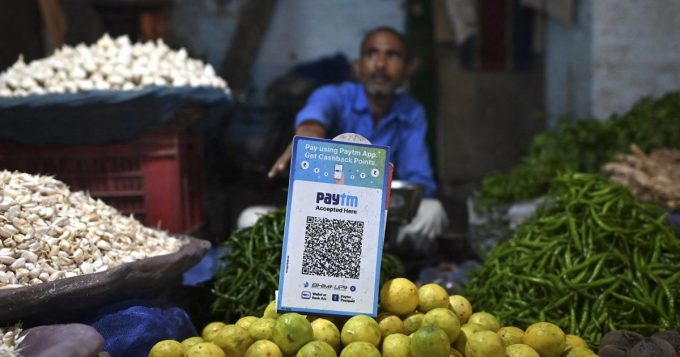
According to RBI data, 5.96 billion notes were withdrawn during April–July 2024, whereas the figure has dropped to 3.42 billion in 2025. The reduction, officials suggest, is closely tied to the widespread adoption of online payments and UPI-based transactions, which have reduced the frequency of physical note usage.
Data Protection and DPDP Act Readiness: Hundreds of Senior Leaders Sign Up for CDPO Program
The central bank also highlighted improvements in currency management and the increased awareness among the public regarding proper handling of banknotes. Fewer instances of folded, torn, or stained notes are now being reported by banks. Officials believe that people have become more conscious of preserving the quality of notes, particularly high-value denominations.
Breakdown of Withdrawn Notes
Between April and July 2025, the RBI reported a sharp fall in the number of ₹500 notes being removed from circulation. The volume stood at 501.81 crore pieces this year, compared to 610.30 crore in the same period of 2024. Similarly, withdrawals of ₹200 and ₹100 notes dropped from 85.63 crore and 227 crore last year to 56.27 crore and 107 crore, respectively, this year. Even ₹50 notes saw a decline, falling from 70 crore to 65 crore pieces.
Experts suggest that this decline underscores the shift towards digital transactions for both large and small payments, diminishing reliance on physical currency. With UPI and other digital platforms becoming deeply integrated into everyday life, physical cash is being handled less frequently, resulting in less wear and tear.
Economists believe that if the trend continues, the cost of printing and replacing damaged notes could be significantly reduced, saving resources for the banking system. At the same time, the shift highlights the growing trust and dependence of Indian consumers on digital finance solutions.













Leave a comment