
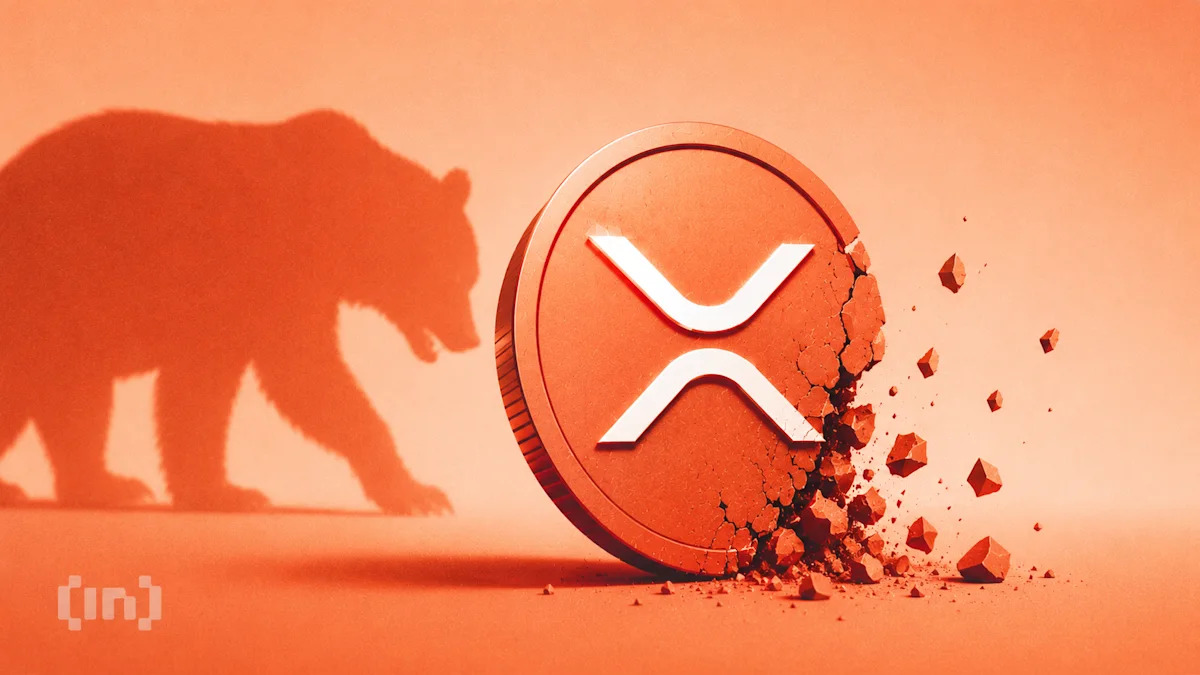

Ripple has secured full MiCA authorisation in Luxembourg, giving the company a regulated route to offer cryptoasset services across the European Economic Area.
The approval from Luxembourg’s financial regulator, the CSSF, comes days after the European Union’s MiCA transition period ended. From July 2026, crypto firms need proper authorisation to keep serving EU clients.
For Ripple, the licence is more than a compliance milestone. It strengthens a bigger shift inside the company’s business. Ripple is building a regulated payment infrastructure around crypto, stablecoins, and institutional settlement, with XRP playing a less central role in the story.
What the Licence Actually Allows
The approval is a Crypto Asset Service Provider, or CASP, authorisation. In simple terms, this is the main MiCA licence for companies that provide crypto services in Europe.
A CASP licence can cover services such as crypto transfers, custody, exchanging crypto for fiat money, exchanging one cryptoasset for another, executing orders, and operating trading infrastructure. The exact scope depends on what the regulator approved for that company.
Ripple says the authorisation makes its regulated crypto payments product available to financial institutions, corporates, and businesses across all 30 EEA countries.
Ripple Also Has an Electronic Money License
Ripple also holds an EU Electronic Money Institution, or EMI, licence. That covers the fiat money and e-money side of payments.
Together, the CASP and EMI approvals give Ripple a stronger legal setup for payment flows that involve both traditional money and cryptoassets. A bank or company using Ripple’s infrastructure may need to collect funds, convert value, move digital assets, and pay out in another currency.
That is where Ripple’s business appears to be heading. The company is no longer defined only by XRP.
Its recent strategy points toward regulated payment rails, stablecoin settlement, and institutional crypto services.
The XRP Link Is Weaker Than It Looks
The approval does not mean EU regulators have approved XRP. MiCA authorises the service provider, not the token.
Still, XRP could benefit if Ripple’s payment activity drives more usage on the XRP Ledger. That would require real volume on XRPL, deeper XRP liquidity, and demand for XRP as a bridge asset.
The link is indirect. If Ripple’s stablecoin and payment activity runs through centralised venues or other chains, XRP may see little direct benefit.
https://www.youtube.com/watch?v=750fiQNOXn0&t=659s











Leave a comment