
What Is Electronic Money?
Electronic money is currency stored and transacted electronically, backed and regulated by fiat currency and central banks. It facilitates global transactions through digital apps, electronic fund transfers, and credit or debit card systems.
Unlike cryptocurrencies, electronic money operates within regulated banking infrastructures, serving as a secure and efficient medium for everyday digital payments.
Key Takeaways
- Electronic money is currency stored in banking systems, used primarily for digital transactions.
- eMoney is backed by fiat currency and controlled by central banks.
- Popular apps like PayPal and Square facilitate transactions with electronic money.
- The U.S. financial market features a strong infrastructure for processing electronic payments.
- Unlike cryptocurrencies, eMoney is part of the regulated banking system and can be converted to physical cash.
Get personalized, AI-powered answers built on 27+ years of trusted expertise.
Understanding the Mechanics of eMoney
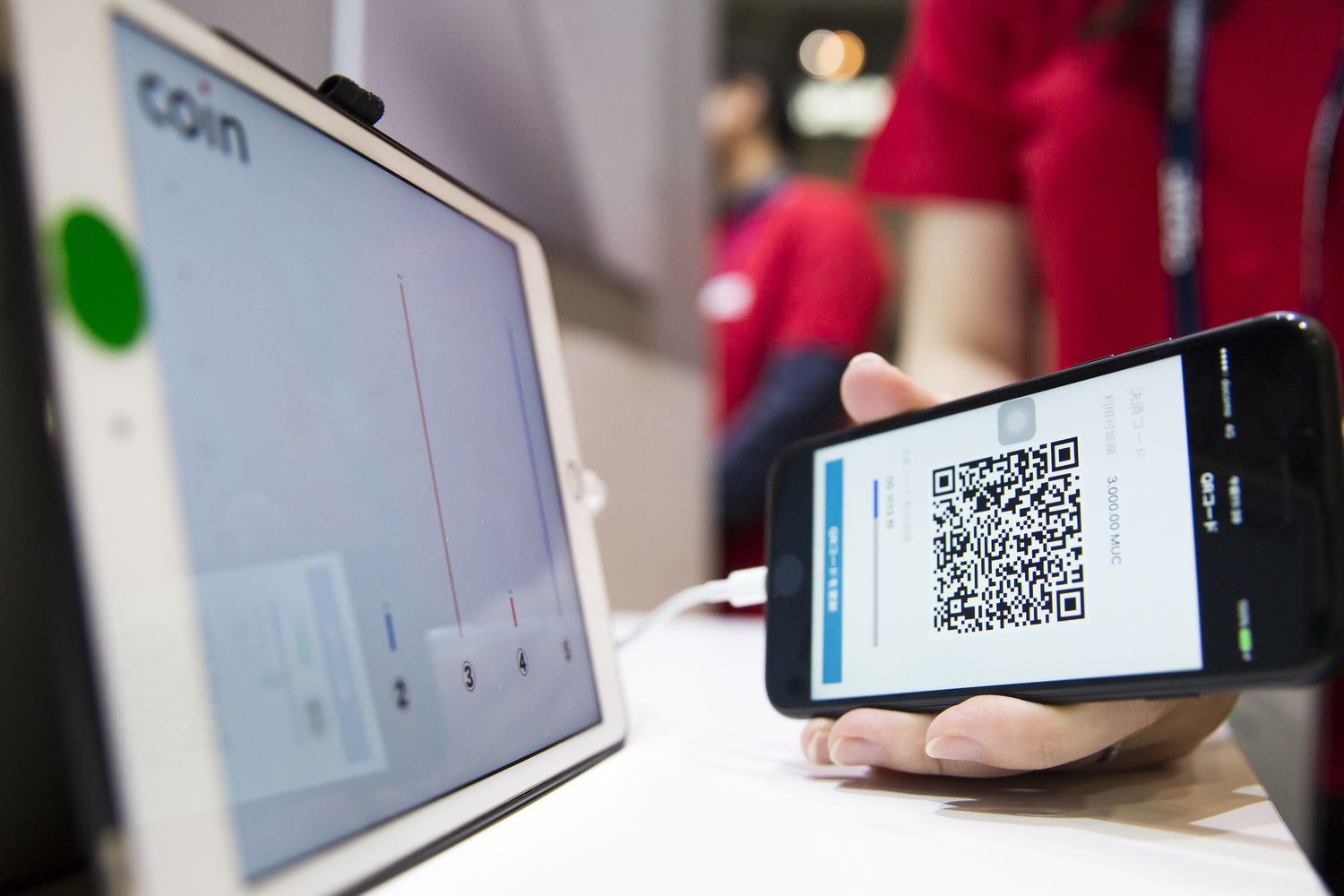
Electronic money is used for transactions globally and is commonly accessed through electronic banking systems and monitored through electronic processing. eMoney can be exchanged electronically between people and businesses using digital apps.
Central banks back and control electronic money. The U.S. Federal Reserve and 12 supporting banks manage physical fiat currency and control the money supply through policies and market operations.
Important
Central banks are exploring the use of a Central Bank Digital Currency. In the United States, there is a physical currency issued by the Federal Reserve and digital balances held by commercial banks at the Federal Reserve. A CBDC would be a liability of the Federal Reserve, not of a commercial bank.
Navigating Electronic Payment Systems
Americans process transactions electronically by receiving paychecks through direct deposits, moving money from one account to another via electronic fund transfers, or spending money with credit cards and debit cards.
The U.S. financial market has a strong infrastructure for electronic money transactions, including networks like Visa and Mastercard. Prepaid cards and digital wallets, like PayPal and Square, allow users to deposit fiat currency as electronic money. Electronic money enables immediate transactions online.
Comparing eMoney and Cryptocurrency
Electronic money can be exchanged for fiat currency and is part of the regulated banking system. Cryptocurrencies are privately issued and are not backed by financial assets. Cryptocurrency is created using blockchain technology without government control or regulation.
What Is a Disadvantage of Using Electronic Money?
Fraud may be an issue when money can be transferred from one party to another without the necessity for verification of the original owner’s true identity.
Is Cash Losing Popularity as the Use of eMoney Rises?
In 2022, only 18% of all payments were made with cash in the United States.
What Is an Electronic Wallet or Digital Wallet?
A digital wallet or electronic wallet is a financial transaction application that runs on any connected device. It securely stores payment information and passwords in the cloud. Digital wallets may be accessible from a computer; mobile wallets, which are a subset, are primarily used on mobile devices.
The Bottom Line
Electronic money, or eMoney, is digitally stored currency backed by fiat currencies like the U.S. dollar and managed within regulated banking systems. It enables global transactions through direct deposits, electronic fund transfers, and digital payment platforms such as PayPal and Square.
Unlike cryptocurrencies, eMoney is overseen by central banks and may evolve with the development of central bank digital currencies (CBDCs). While convenient, eMoney carries risks like fraud, making secure digital wallets essential for safe and efficient use.












Leave a comment