

Global geopolitical problems, especially the ongoing war between the US and Israel against Iran, have caused turmoil in Asian economies. In India, the prices of commodities, oil and gas have all risen. Even currencies have been impacted.
These developments call for proper planning of personal finances and an understanding of the current global financial environment, as these factors can directly affect individual savings, investments, and long-term economic planning.
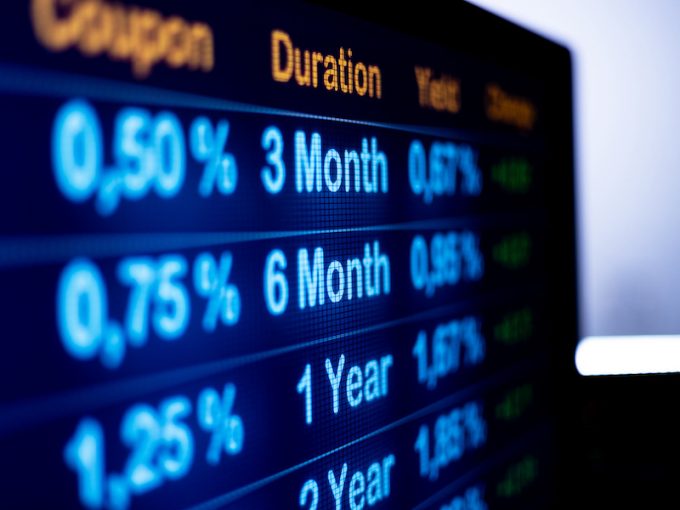
Impact of these developments on equities, crude oil and bond yields
Rahul Singh, CIO – Equities, Tata Asset Management, elaborates on this, saying, “Geopolitical tensions continue to keep crude oil prices elevated, while mixed global signals have resulted in bond yields remaining high and the rupee staying under pressure. This has increased the risk premium on Indian equities and weighed on market valuations. Despite these challenges, the impact on corporate earnings has been manageable so far, and management commentary during the fourth-quarter earnings season has remained encouraging.”
He added, “In the current environment, we are focusing on sectors that are relatively better insulated from these uncertainties and continue to benefit from tailwinds, including power, resources, energy, pharma, healthcare and consumer-focused businesses. While a weaker rupee provides some support to IT services and valuations in BFSI appear reasonable, we remain mindful of risks such as higher commodity prices and their potential impact on margins in certain growth-oriented sectors.”
The above suggests the possibility of higher market volatility and inflation in the coming months until the US-Iran dispute is resolved amicably, and the need for proper financial planning, along with looking for ways to navigate such a situation seamlessly.
What can be the impact of this on individual personal finances?
From a personal finance perspective, this environment translates into higher inflationary pressures from energy and rising oil costs in the coming months, as well as shifting returns across sectors and asset classes.
Planning and management of personal and family finances will become more challenging. Disciplined investing, well-planned savings and patience are important.
One can look to safe, predictable small savings schemes such as Senior Citizen Savings Schemes (SCSS), Bank FDs and Public Provident Funds (PPFs), and other similar fixed-income asset classes to conserve wealth, protect against volatility and simultaneously grow their investments.
In such situations, financial stability depends less on reacting to daily market swings, persistent inflation or taking avoidable risks and more on building resilient habits and following them consistently with devotion.
Here are a few practical ways to keep personal finances healthy:
5 ways to keep your personal finances healthy in the current market volatility
I. Diversify investments across assets and sectors
In this environment, it is viable to avoid concentration in a single asset class or theme. A well-thought-out mix of equity, debt, fixed-income and cash-like instruments can protect your personal finances and reduce overall portfolio risk.
II. Maintain an emergency fund to combat unforeseen emergencies
It is important to factor in the significance of a solid emergency fund so that, amid a changing macroeconomic landscape, rising inflation and increasing challenges, you are always equipped to face them head-on in the event of an unexpected job loss or economic crisis. Ensure you have at least 6-12 months of essential expenses in liquid savings to cover income disruptions or unforeseen expenses.
III. Focus on SIP-based long-term investing
Systematic Investment Plans (SIPs) can help you combat the current inflation wave—these help you navigate the market volatility and boost disciplined, proper and meaningful wealth creation over time.
IV. Avoid panic-based investing decisions
Short-term geopolitical news can result in panic and turmoil. It can even trigger emotional reactions, but reacting impulsively often leads to poor investment and saving decisions. Don’t fall for market movements or news-based finance decisions. Develop an investment strategy that accounts for current geopolitical challenges and continue your monthly investments accordingly.
V. Review portfolio alignment periodically
Rebalance investments based on changing goals, current realities, risk appetite and macro conditions rather than chasing short-term trends. Once you have decided on your long-term target, you should invest accordingly to keep your personal finances sound. You should review your investments regularly to make amendments in line with the changing market dynamics and your personal requirements.
In a volatile situation, financial resilience comes from structure, discipline and a long-term perspective rather than making unplanned investment decisions.











Leave a comment