
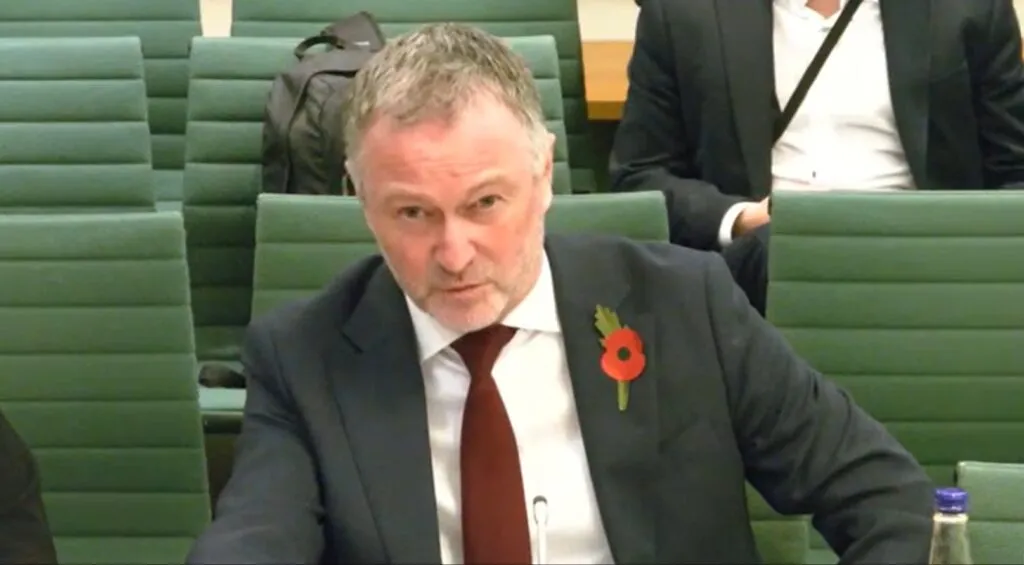
The government is having “conversations” about how to make council tax more “progressive,” communities secretary Steve Reed has told MPs.
Mr Reed told the Commons committee on housing, communities and local government this afternoon that council tax reform is under consideration by the government.
In response to a question by committee member Jonathan Brash (Lab) about how council tax is much higher in some parts of the country compared with others, Mr Reed said: “Obviously, conversations are going on about council tax policy, how it can be made more progressive and the best way of doing that that is fair to everybody.
“That conversation is under way, and it would be inappropriate for me to throw in my personal views as if they were those of the department, because at this stage, they are not. We are both involved in a conversation about where that needs to go.”
He also declined to give his view on whether the new higher-value council tax levy, sometimes known as the mansion tax, which comes into force in April 2028, should go to the local authorities rather than the Treasury, as currently planned.
Mr Reed said: “Again, I have views on that, but it would not be sensible for me to share them here, because they are currently personal views, and I am sitting here as a representative of the government and the department.”
Committee chair Florence Eshalomi (Lab) asked: “Do you not feel that, by creating a new property tax, it diminishes the issue of the government coming forward with genuine proposals to reform council tax?
“There will be no appetite from the Treasury to speak with MHCLG to reform council tax, because it will now have the new property tax bringing in revenue directly, instead of dealing with the core issue of local councils having to come year in, year out to ask for exceptional financial support because, no matter how much money for local councils you and other ministers continue to push and argue for, it is not enough.”
In response, Mr Reed said: “I see the problem. I am very in favour of continuing conversation to find a way of making this property tax-based form of revenue raising more progressive, because it clearly is not fair to people living in lower-value properties.”
Mr Reed also said he “recognises” a concern from Mr Brash over funding for local government.
Mr Brash said: “For all the warm words about what the fair funding formula has done, there does not seem to be a lot of evidence from local authorities that they feel they are in anything other than a financial catastrophe at the moment. Local government is disintegrating around us, is it not? There is simply not enough money in the system.”
In response, Mr Reed said: “I do not think it is ‘warm words’ to adjust funding allocations in line with deprivation. That was the biggest change in 15 years; going from three out of 10 getting funding linked to deprivation to close on 10 out of 10 is a radical shift, and it moved money to areas that needed it. Notwithstanding that, of course I recognise the pressures that remain on local government funding.”
He added that there is a “bigger question” about the quantum of funding available for local government. He said: “There is a conversation the committee could have with Treasury ministers about their view on how the quantum needs to change over the coming years.”
Image: Steve Reed appearing at the select committee in November








Leave a comment