
The clarification follows public debate sparked by comments attributed to the IMF’s Resident Representative in Nigeria, who said public expenditure equivalent to about 2% of Nigeria’s Gross Domestic Product (GDP) had not been fully reflected in official fiscal reporting. The remarks prompted questions about the transparency of Nigeria’s public finances and the country’s actual fiscal deficit.
Government Rejects Off-Budget Spending Allegations
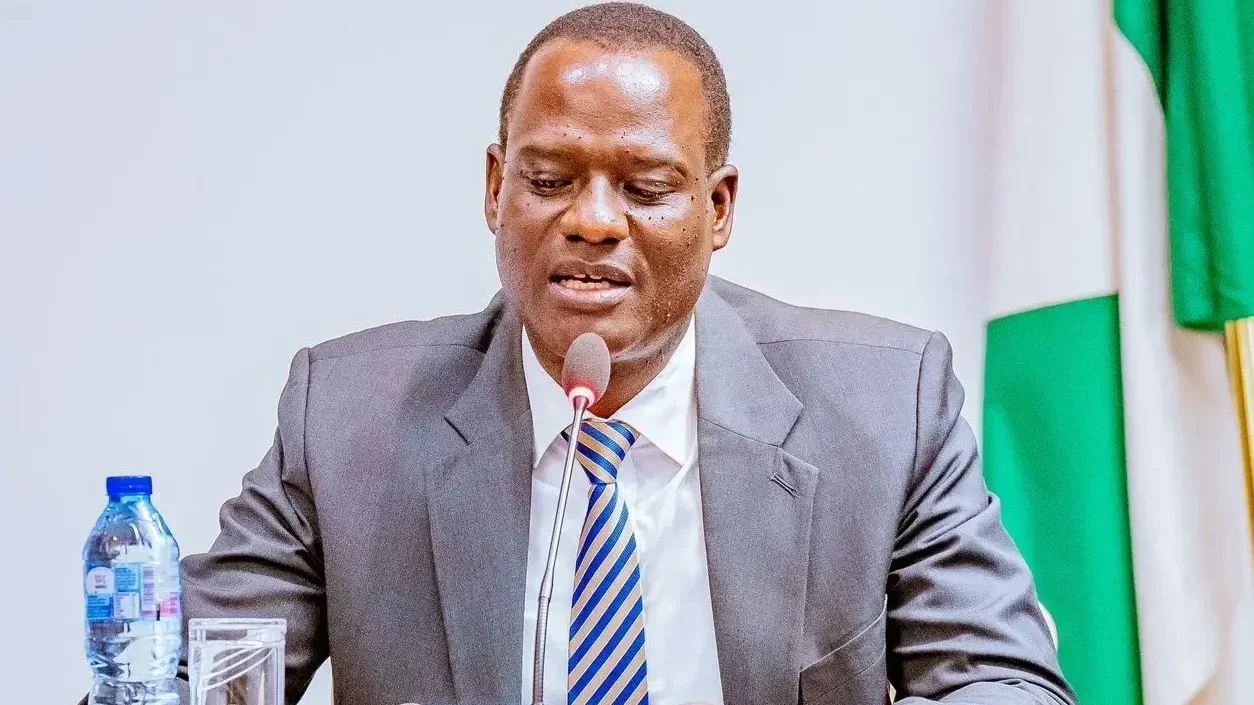
In a statement issued by the Minister of Finance and Coordinating Minister of the Economy, Taiwo Oyedele, the Federal Government stated that reports suggesting more than ₦8 trillion was secretly spent outside the approved budget are both legally and factually incorrect.
According to the minister, Nigeria’s Constitution provides clear rules governing the withdrawal and expenditure of public funds. He explained that federal spending is authorised through Appropriation Acts, Supplementary Appropriation Acts and other statutory approvals passed by the National Assembly.
The government argued that characterising approved expenditures as off-budget spending creates a misleading impression of the country’s fiscal management system.
Clarifying the IMF’s Observations
The Federal Government said the IMF’s observations related to the presentation and reporting of public expenditure, rather than allegations of unlawful or unauthorised spending.
Officials explained that multi-year infrastructure projects, approved capital rollovers, statutory transfers, debt service obligations and certain intervention mechanisms are recognised components of Nigeria’s public financial management framework and should not be interpreted as expenditures outside the law.
The government added that these expenditures are disclosed through official fiscal reports and remain subject to legislative oversight, auditing and accountability mechanisms.
Fiscal Deficit Remains Unchanged, Government Says
The Finance Ministry also rejected suggestions that the reported expenditure automatically increases Nigeria’s fiscal deficit.
According to the government, a fiscal deficit is determined by the relationship between total government revenue and total expenditure rather than the reporting format used for specific projects. Officials maintained that financing arrangements such as supplementary appropriations, statutory transfers and legally established intervention funds do not constitute illegal spending or automatically alter the fiscal balance.
The ministry further stated that allegations of trillions of naira being secretly spent should be supported by verifiable evidence identifying specific projects executed without legislative approval.
Background to the Debate
The controversy emerged after the IMF indicated that expenditure equivalent to approximately 2% of GDP had not been fully captured in Nigeria’s recent budget reporting, creating what it described as a statistical discrepancy that could understate the country’s actual financing needs. The Fund encouraged improvements in fiscal reporting to provide a more comprehensive picture of government finances.
The Federal Government noted that President Bola Tinubu had already directed efforts towards harmonising Nigeria’s budget process by eliminating overlapping budget frameworks and improving fiscal transparency during the presentation of the 2026 Appropriation Bill.
Implications for Fiscal Governance
The exchange highlights the growing importance of fiscal transparency and accurate public financial reporting as Nigeria pursues economic reforms aimed at improving investor confidence and strengthening macroeconomic stability.
For investors, development partners and financial markets, clarity around government expenditure and budget implementation remains critical for assessing Nigeria’s fiscal position, debt sustainability and public investment priorities.
Analysts note that improvements in fiscal reporting and budget transparency can strengthen confidence in public financial management while supporting more effective economic planning.
Looking Ahead
The Federal Government has reaffirmed its commitment to prudent fiscal management, transparency and accountability, insisting that all public expenditure is governed by constitutional and statutory provisions. While the IMF has called for more comprehensive fiscal reporting, government officials maintain that the issue relates to reporting methodology rather than unlawful spending.
As discussions continue, policymakers, investors and development partners will closely monitor ongoing efforts to strengthen Nigeria’s budget framework and improve the transparency of public financial reporting in line with international best practices.






Leave a comment