
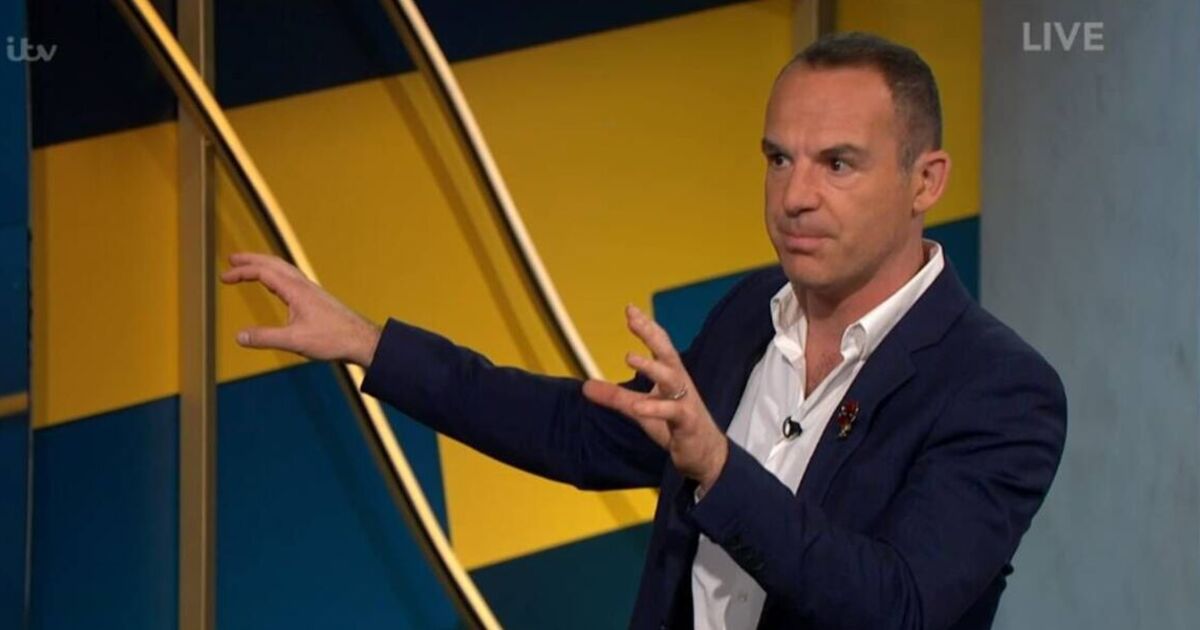
Money expert Martin Lewis has issued a hard-hitting warning about the use of ‘danger cards’ – referring to debit cards linked to an overdraft on your current account, instead of a credit card. The money expert has for years issued warnings about the dangers of certain debit cards because they can actually end up costing you a lot more money than a credit card due to overdraft charges.
And Martin gave several pieces of advice around clearing debts including using balance transfers to transfer expensive debts onto 0% interest credit cards. He also advised people to in serious trouble to contact services like StepChange if they are in real difficulty and can’t dig themselves back out of debt.
But Martin Lewis issued a warning over people using debit cards and especially if they’re attached to an overdraft.
Explaining why on his ITV Martin Lewis Money Show Live, back in 2024, he illustrated that the average bank loan carries an APR (annual percentage rate) of less than 8% APR, while the average credit card rate hikes up to 19% APR.
Martin added: “‘Credit cards are horrible. Debit cards are great’. Not true.
“If you’re overdrawn, your debit card is a debt card, and most consumer overdrafts are now 40%, double a high street credit card. Which means debit cards are now danger cards if you’re overdrawn.”
“Now the first thing if you’re overdrawn is to check your eligibility for a 0% overdraft and to what amount.
“People also ask me, can I shift my overdraft onto a 0% card? The answer is yes, but only a few specialist cards, it’s called a money transfer.”
“With a money transfer card you apply for a new card and it pays the money into the bank account for you so you can get rid of your overdraft, you now owe the card.”
“It’s best for large overdrafts, you need a decent credit history.
“With your overdraft, treat it like every other debt. Try to shift your direct debits to just before payday, so the longer you’re overdrawn, the bigger your interest charges. So if you can move it to just before payday, you won’t be in debt for as long and it should reduce the interest.”
The money expert then explained what to do differently if you have several debts.
Martin added: “If you have multiple debts, the rules change. I want you to list all your debts in order of interest rates, highest first.”
“Then you take all the spare cash you possibly have and you pay the highest interest rate ignoring the others.”
“When this one goes, you then focus on clearing the next-highest interest rate. Once that goes, you clear the next and the next and so on. It’s known as snowballing and it means you get rid of your debts more quickly.”









Leave a comment