
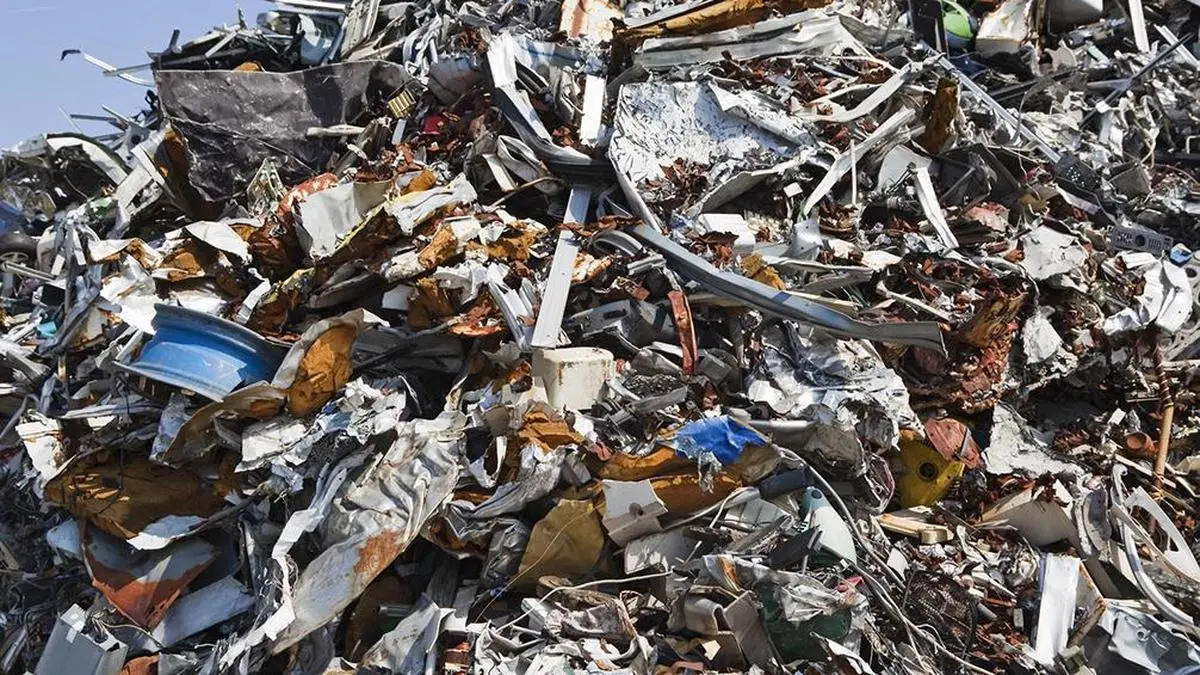
India’s metals industry is undergoing a structural shift from mining towards recycling, with organised non-ferrous metal recyclers positioned to benefit from rising metal consumption, resource constraints, sustainability requirements and increasing formalisation of the scrap ecosystem, according to a report by Ashika Institutional Equities Research.
The report said secondary metals offer the same metallurgical properties as primary metals while requiring significantly lower energy, capital and carbon intensity. As governments and manufacturers increasingly focus on resource security and sustainability, access to scrap is emerging as a strategic asset, potentially becoming more valuable than access to ore.
Regulatory frameworks, including the Battery Waste Management Rules and Extended Producer Responsibility requirements, are accelerating the migration of scrap processing from the informal sector to organised recyclers. This creates a dual growth opportunity for compliant companies, driven by both rising demand for recycled metals and the formalisation of the industry.
Among the major segments, lead offers the strongest earnings visibility due to predictable battery replacement cycles, rising domestic scrap availability and regulatory support. Copper represents the largest long-term opportunity, supported by electrification-led demand growth, a widening domestic supply deficit and high EBITDA generation per tonne.
Aluminium is emerging as a major decarbonisation opportunity, with secondary aluminium requiring around 95 per cent less energy than primary production. The report said the industry’s competitive advantage is increasingly shifting from installed processing capacity to procurement capabilities. Diversified sourcing networks, collection infrastructure, supplier relationships and regulatory compliance are expected to determine feedstock security, plant utilisation and resilience during periods of raw material shortages.
The next phase of earnings growth is also expected to come from value addition rather than merely higher recycling volumes. Downstream products such as lead alloys, copper cathodes, wire rods, busbars and specialised aluminium alloys can help recyclers improve margins, strengthen customer relationships and increase EBITDA per tonne.
The brokerage said organised recyclers combine relatively low capital intensity with spread-based earnings, faster asset turns and improving operating leverage. Scale can further create a competitive flywheel through stronger sourcing networks, better recovery rates, lower compliance costs and improved by-product monetisation.
Published on July 26, 2026







Leave a comment