
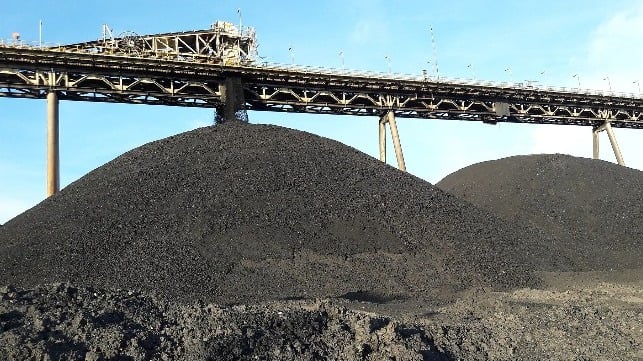
Indonesia’s government is making an unusual move to centralize control over the export of commodity products, notably palm oil to coal. The decision has significant implications for regional trade, as Indonesia is the largest exporter of thermal coal in the world, and coal demand is running high due to the war-related disruption in Mideast LNG supplies.
The government’s objective is to combat tax evasion, which is facilitated by the widespread practice of falsifying the invoices presented to customs officials, estimated to cost Indonesia billions of dollars per year in taxes. Instead of private-sector-run exports, all commodity export cargoes will be run through the sovereign wealth fund Danantara, which is directly controlled by Indonesian President Prabowo Subianto. The plan is supposed to phase into effect by the end of August, and will start with a paperwork preclearance process. Once fully implemented in September, all commodity export transactions and contracts will be handled by Danantara. A copy of the plan obtained by Jakarta Globe suggests that the agency would also logistics and cargo booking.
Under Subianto’s administration, Indonesia is pursuing a broad range of social programs intended to combat poverty, and sliding tax revenues have threatened to undermine that agenda; the hope is that a state-controlled export procedure would shore up receipts. Prabowo asserts that Indonesia’s government has lost about $340 billion to tax cheating in the natural resources sector over the last 22 years, indicating substantial room for recouping more revenue.
Investors are skeptical about the smooth functioning of the new export plan, and Indonesia’s stock market fell by nearly four percent after the news broke, led by shares in mining companies and other commodities producers. Indonesia’s currency has also fallen to the lowest value on record against the dollar.
The full details of the plan are not yet known, nor the eventual scope of Danantara’s power, but commodities investors are concerned that it could drive up prices and reduce flexibility. It is also unclear how the new structure will affect existing long-term offtake contracts between producers and export clients, which were written well before the arrival of a state-run intermediary.

Stay on Top of the Daily Maritime News
The maritime news
that matters most
Get the latest maritime news delivered to your inbox daily.
“If it becomes a mandatory trading house with control over pricing and margins, investors will treat it as a meaningful intervention in Indonesia’s commodity sector,” warned Dedi Dinarto of consultancy FGS Global, speaking to Business Times.












Leave a comment