



© 2026 Quartz Media, Inc. All rights reserved.
The yield on the 30-year Treasury bond touched 5.323% on Tuesday, its highest level since 2007, as inflation and Middle East tensions weigh on bond markets
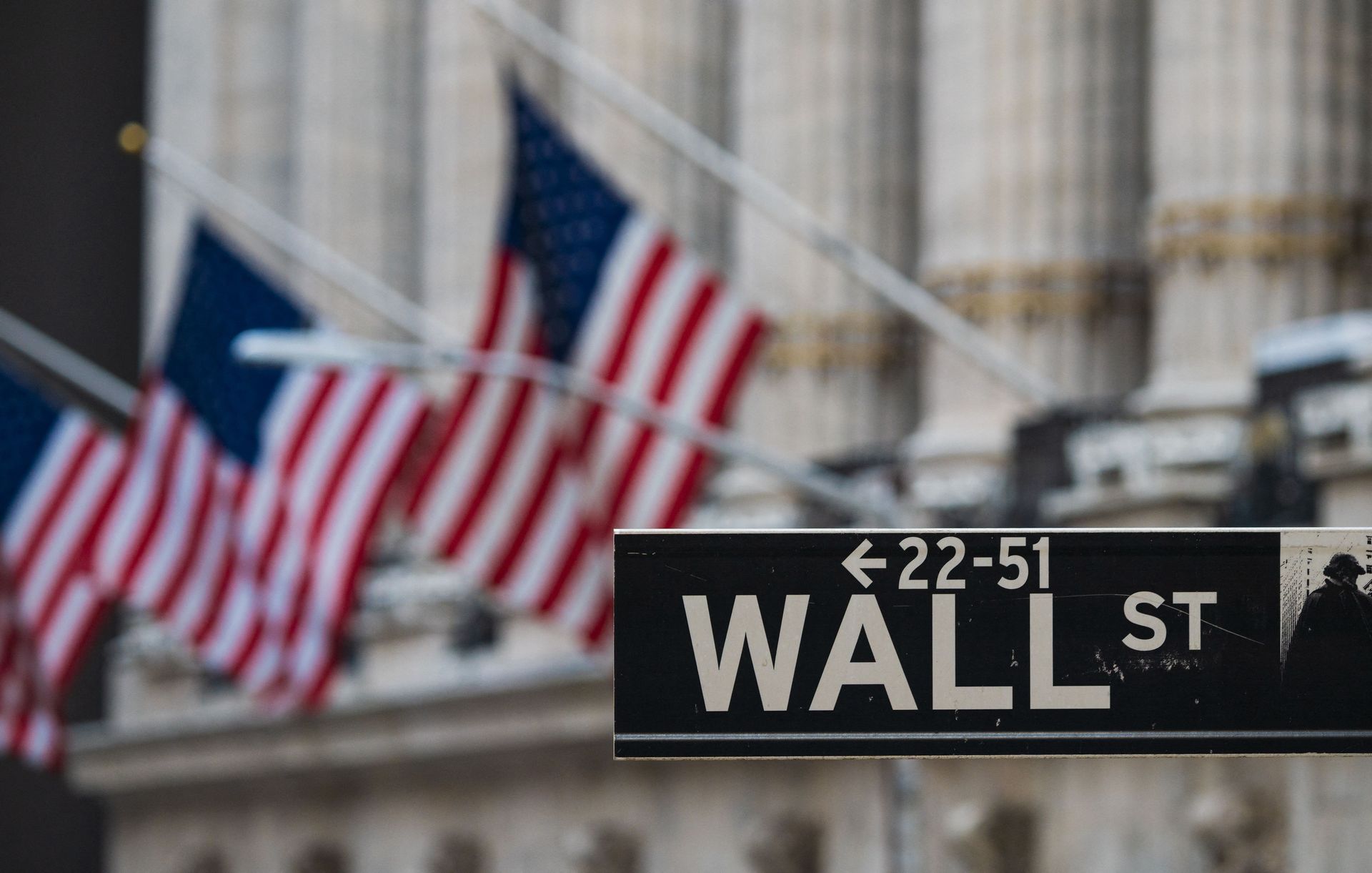
Angela Weiss / AFP via Getty Images
The 30-year U.S. Treasury bond hit a 19-year high Tuesday, touching 5.323% before retreating to just under 5.3%, a move that is adding to the upward pressure on mortgage rates already near 7%.
The 10-year Treasury yield crossed above 4.7%, a notable jump from the sub-4% levels that prevailed before the Iran War broke out at the end of February — a rate closely watched because it guides pricing on fixed mortgages and other long-term consumer debt. The average rate on a 30-year fixed-rate mortgage rose to 6.75% on Tuesday from 6.69% at the end of last week, according to CNBC.
“The higher bond yields on long-dated securities, like the 30-year Treasury, clearly indicate discomfort over persistently high inflation in the future,” National Association of Realtors chief economist Lawrence Yun said. “Independent of the Federal Reserve policy, higher inflation and higher overall long-term borrowing costs will mean higher mortgage rates.”
Consumer prices rose 3.4% year over year in July, according to the consumer price index, outpacing the Federal Reserve’s 2% goal by a wide margin; the rate stood at 2.4% as recently as January, before the war. July’s federal deficit totaled $432.3 billion — the largest monthly figure since March 2021 — lifting the year-to-date shortfall to nearly $1.8 trillion, according to CNBC. Interest on the national debt has cost the government about $1.2 trillion this year.
Geopolitical developments added to bond market pressure on Tuesday. Monday marked the expiration of the 60-day window the U.S. and Iran had to reach a peace deal, with Tehran refusing to grant any extension. Oil prices rose on the news, renewing inflation concerns.
The global bond selloff extended beyond the U.S. Among major economies, Japanese 10-year debt touched its loftiest yield in three decades, German 30-year bonds traded at their costliest since 2011, and French 30-year borrowing costs climbed to a level unseen since before the 2008 financial crisis, according to Bloomberg.
Higher Treasury yields are also feeding through to other consumer borrowing costs. Borrowers financing a new vehicle are currently facing APRs of roughly 7%, while those buying used are contending with rates around 10.6%. Variable-rate credit cards, which track closely to the prime rate, and auto loans face similar pressure.
Mortgage rates had been climbing since late July, when the 30-year fixed rate hit 6.66% — at that point its highest in about a year — as oil prices and war-driven inflation pushed bond yields higher. The 30-year rate had already reached a 2026 high of 6.53% in late May, when overall mortgage application volume dropped 8.5% week over week.
Lawrence Yun told consumers to temper any hopes for a significant drop in mortgage rates, and he pointed to seven-year adjustable-rate mortgages as a practical option for homebuyers who anticipate relocating before the fixed period ends. Jeff DerGurahian, who serves as LoanDepot’s chief investment officer and head economist, cautioned that last week’s encouraging data amounted to “only temporary relief,” adding that elevated energy costs continue to be “an important part of the inflation picture.”
The essential business news, delivered fresh every morning.
Join 500,000+ readers who start their day with Quartz.
By subscribing, you agree to our Terms of Service and Privacy Policy.






Leave a comment