
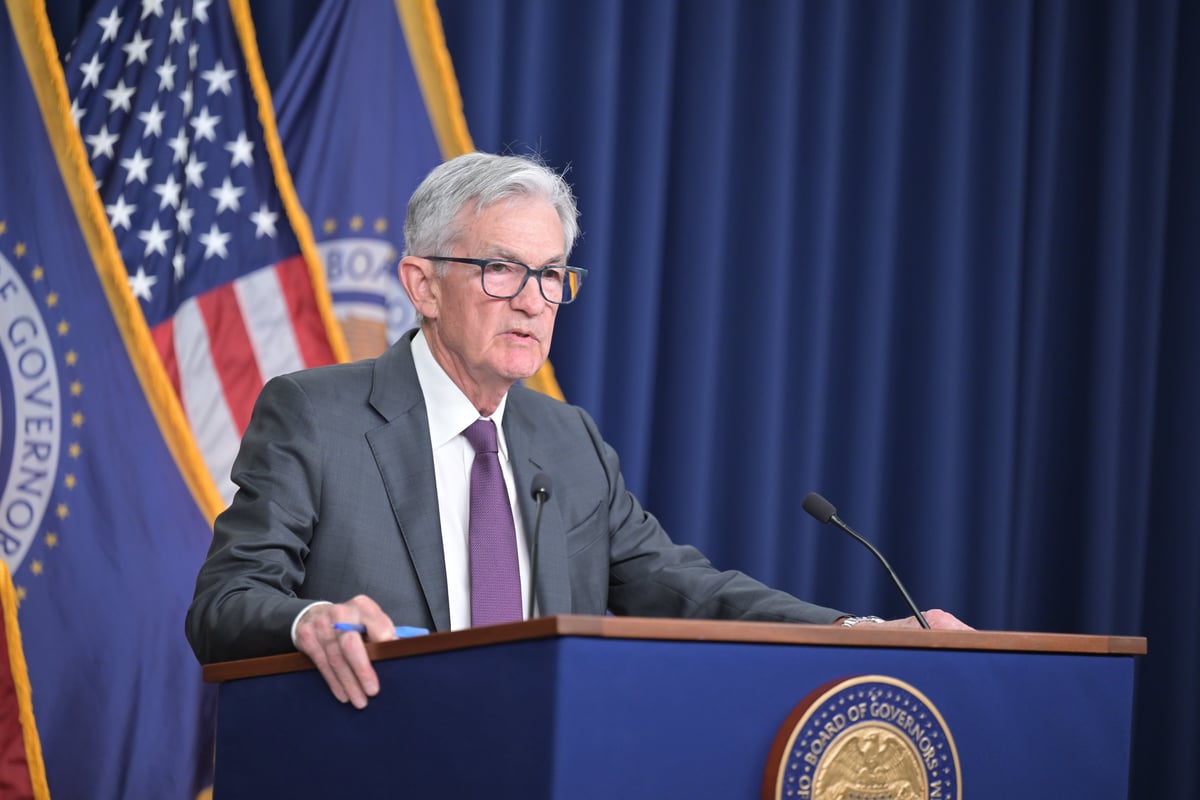
In January, President Trump nominated Kevin Warsh to replace Federal Reserve Chairman Jerome Powell when his term ends in May. The situation made investors nervous because Trump has been very clear about wanting lower interest rates, but a politically motivated Fed could damage the economy in the long run.
“I want my new Fed chairman to lower interest rates if the market is doing well, not destroy the market for no reason whatsoever,” Trump wrote on social media in December. “Anybody that disagrees with me will never be the Fed chairman!”
Warsh seems open to rate cuts based on the idea that artificial intelligence will increase productivity. But he denies making promises to the president and says Trump never sought to extract such assurances from him. “Monetary policy independence is essential,” Warsh told the Senate Banking Committee in April.
The S&P 500 (^GSPC 0.04%) is currently near its record high. But Warsh’s monetary policy ideology could mean trouble for the stock market, particularly his desire to shrink the Fed’s balance sheet and do away with forward guidance. Here’s what investors should know.
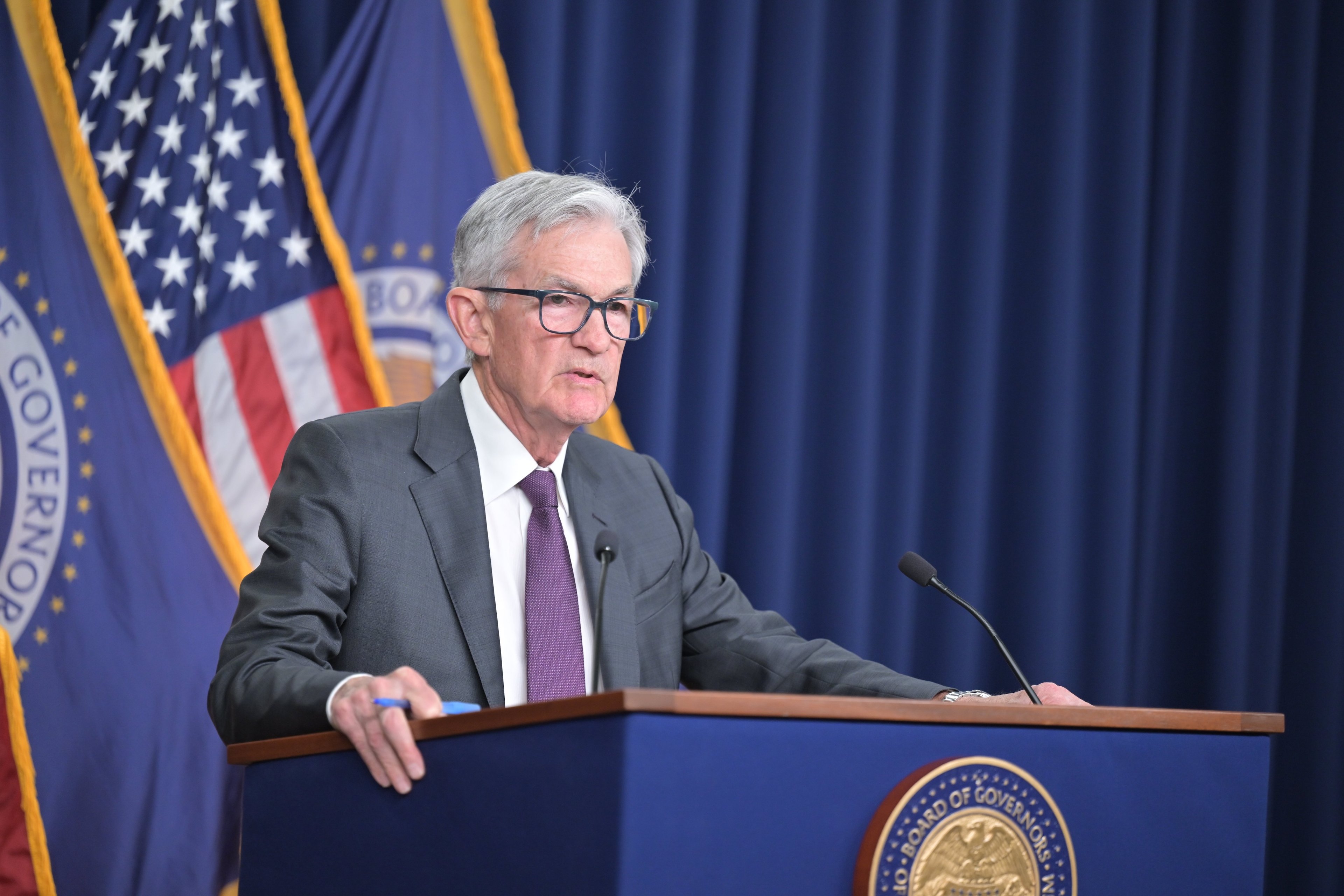
Fed Chair Jerome Powell answers questions at an FOMC meeting. Image source: Official Federal Reserve Photo.
Warsh wants to shrink the Fed’s balance sheet, but the stock market could sink in the process
The Federal Reserve held about $900 billion in assets on its balance sheet before the Great Recession. The central bank began buying Treasury bonds and mortgage-backed securities to stabilize markets during the financial crisis in 2008, and it doubled down on that strategy (a process called quantitative easing) to steer the economy away from recession during the pandemic.
The Fed’s balance sheet peaked around $9 trillion in early 2022, marking a tenfold increase in 15 years, and it currently sits near $7 trillion. Warsh sees that as “fiscal policy in disguise” and has frequently argued for a reduction. “Slowly and deliberatively, I believe we need a smaller central bank balance sheet,” he said in April.
Bond prices and yields move in opposite directions. If the Federal Reserve begins selling Treasury bonds (a process known as quantitative tightening), prices will decline and yields will increase. Higher yields mean new bonds would need higher coupon rates to remain competitive, and that could hurt the stock market in three ways.
First, corporate profits would probably grow more slowly if the cost of borrowing rises, because greater interest expense would leave less money for growth investments. Second, higher yields would make bonds more attractive, giving investors a reason to rotate away from stocks. Third, quantitative tightening pulls liquidity out of the financial system, diminishing institutions’ capacity to purchase stocks.
Indeed, UBS strategists estimate that a reduction in the Fed’s balance sheet would be a 9- percentage-point headwind to the S&P 500 over two to three years. In other words, if the S&P 500 were to advance 20% through 2028 without quantitative tightening, the index may advance only 11% with quantitative tightening.
Warsh dislikes forward guidance, but the stock market could be more volatile without it
Warsh has also expressed concerns about the Federal Reserve’s dot plot, a graphic included in the central bank’s quarterly summary of economic projections. The dot plot shows where Federal Open Market C members expect the federal funds rate to land over the next few years.
“Unlike many of my colleagues past and present, I don’t believe in forward guidance,” Warsh told the Senate Banking Committee in April. “I don’t believe that I should be previewing for you what a future decision might be. I think it’s essential that the Fed make decisions in the room.”
So what? Investors often value stocks by discounting future cash flows back to the present, and the discount rate used in the equation depends on prevailing interest rates. If the Fed discontinues its dot plot, investors will have less information about the future trajectory of interest rates, which will make it harder to value equities. That could lead to increased stock market volatility.











Leave a comment