
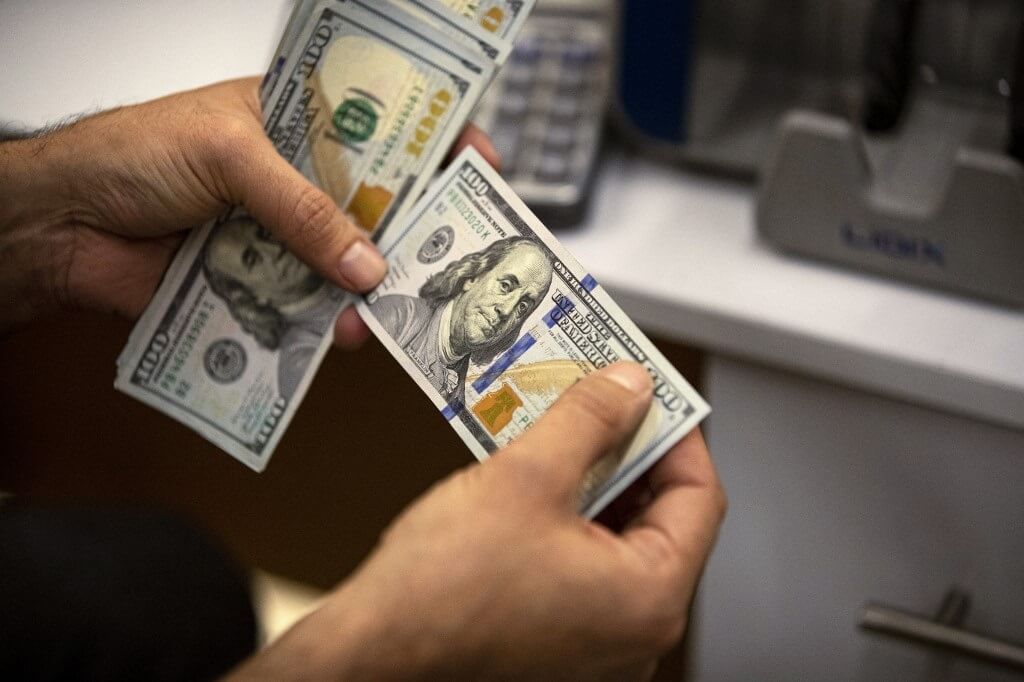
Baghdad (IraqiNews.com) – Iraq has officially depreciated its national currency, with the baseline dropping from about 1,300 Iraqi dinars to 1,500 dinars per US dollar.
The Iraqi cabinet approved on Tuesday the structural adjustment, which marks a 14.5 percent decline compared to the previous official framework that had been in place since early 2023.
The Central Bank of Iraq (CBI) established a multi-tiered exchange framework to facilitate the transition across commercial and banking channels.
An exchange rate of 1,500 Iraqi dinars per US dollar is now used for government purchases from the Finance Ministry, 1,510 Iraqi dinars for official sales to commercial banking institutions, and 1,520 Iraqi dinars for public consumers who buy foreign currency directly from banks.
The forceful monetary policy shift acts as a direct fiscal stabilization mechanism in response to significant macroeconomic shocks.
The regional conflict has severely affected important marine trade routes, including partial closures and interruptions in the Strait of Hormuz. Since oil exports account for about 90 percent of Iraq’s national finances, transportation delays reduced real export capacity to around 2.34 million barrels per day compared to 3.6 million.
The Finance Ministry informed the Iraqi parliament that it would be unable to cover the domestic budget for 2026 unless the dinar was revalued.
By demanding more local dinars for every US dollar of incoming oil revenue, the Iraqi government generates artificial liquidity to meet rising public expenditure, local deficits, and civil service salaries.
The depreciation is intended to reduce the disparity between the government’s stated measurements and parallel market realities.
Following the announcement, parallel market rates in Baghdad and Erbil soared, with exchange shops reporting market gains of more than 1,700 Iraqi dinars per US dollar.
The Iraqi cabinet also prohibited the collection of advance customs duties on foreign imports to reduce unexpected operational disruptions within business supply chains.









Leave a comment