
ADDIS ABABA
Ethiopia has saved nearly $5 billion in foreign currency through import substitution, Prime Minister Abiy Ahmed said Tuesday, as the government works to expand industrial production and boost export revenue from industrial products to $1 billion.
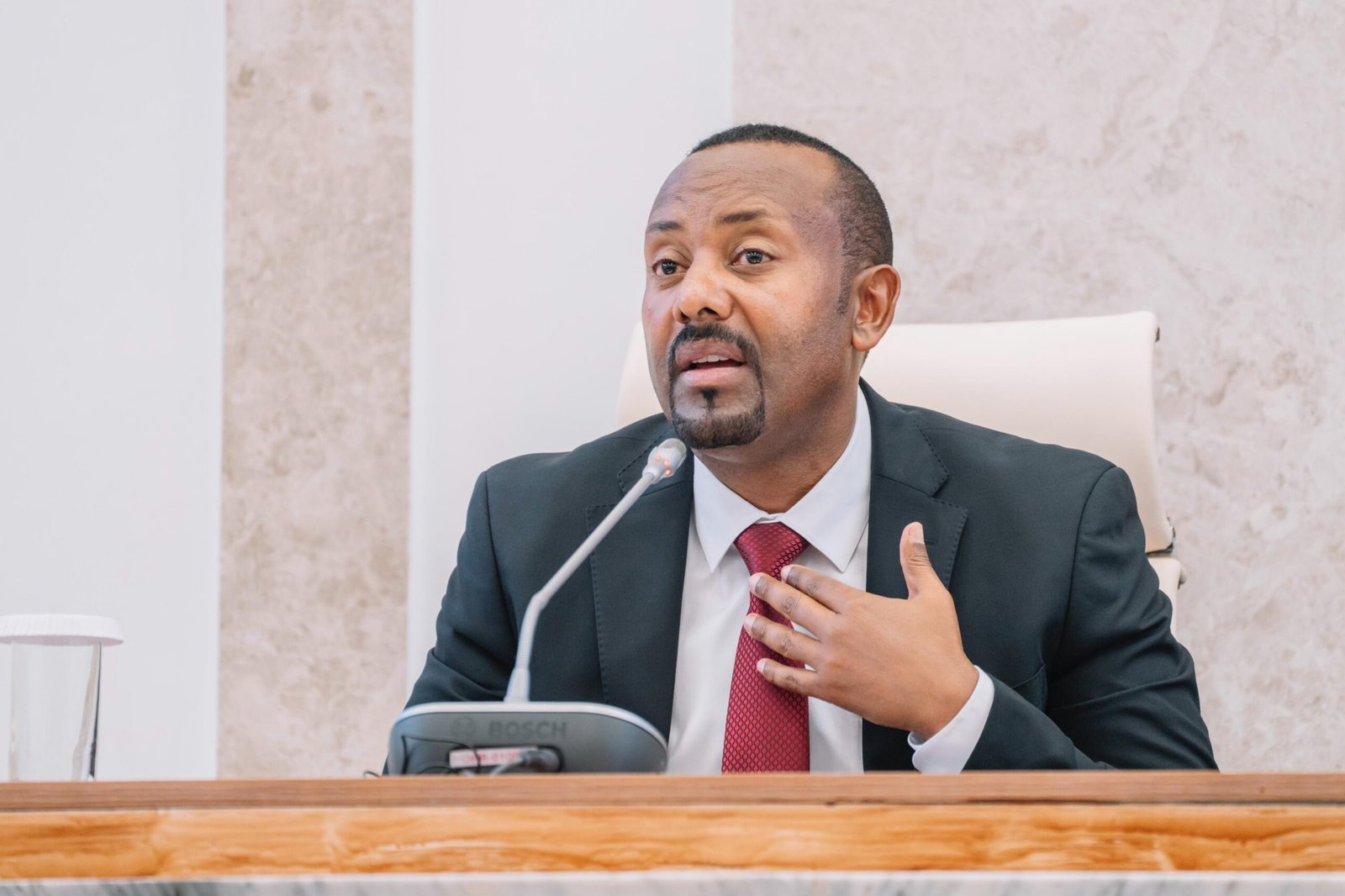
Speaking during the 30th regular session of the House of Peoples’ Representatives, Abiy outlined the government’s progress in industry, economic reform and foreign policy, saying the country is accelerating its transition toward a more diversified economy.
“Ethiopia’s industrial sector is undergoing significant transformation,” Abiy said, adding that extensive reforms and support initiatives have increased manufacturing capacity utilization from 47% to 67%.
The prime minister said the government has expanded the country’s industrial base by constructing 10 new industrial parks in addition to the existing parks in Hawassa, Mekelle and Kombolcha. According to Abiy, the industrial parks now attract more than 80% of Ethiopia’s foreign direct investment.
He also highlighted the government’s import-substitution strategy, which has prioritized domestic production of cement, steel, glass and ceramics.
“Through the domestic production of products such as cement, steel, glass, and ceramics, Ethiopia has been able to save nearly $5 billion in foreign currency,” Abiy said.
The industrial expansion has also driven growth across related sectors, with mining growing by 24%, manufacturing by 20.3% and energy by 23%, according to the prime minister.
Abiy said the government aims to sustain the sector’s momentum by achieving 12.7% growth in industrial parks next year while generating $1 billion in export revenue from industrial products.
Homegrown Economic Reform
He also linked the industrial strategy to the broader Homegrown Economic Reform program, which he said is modernizing agriculture, expanding tourism, strengthening food security and increasing foreign exchange earnings while supporting private-sector growth.
On foreign policy, the prime minister said Ethiopia’s approach is guided by three principles: resilience, leveraging opportunities and shaping its own national agenda.
“Guided by these three pillars, we will not allow any external actor to interfere in any of our national decisions,” Abiy said, describing strategic self-reliance as central to protecting Ethiopia’s sovereignty and national interests.
The remarks come as the government continues to position industrialization, export growth and import substitution as key pillars of Ethiopia’s long-term economic transformation.








Leave a comment