
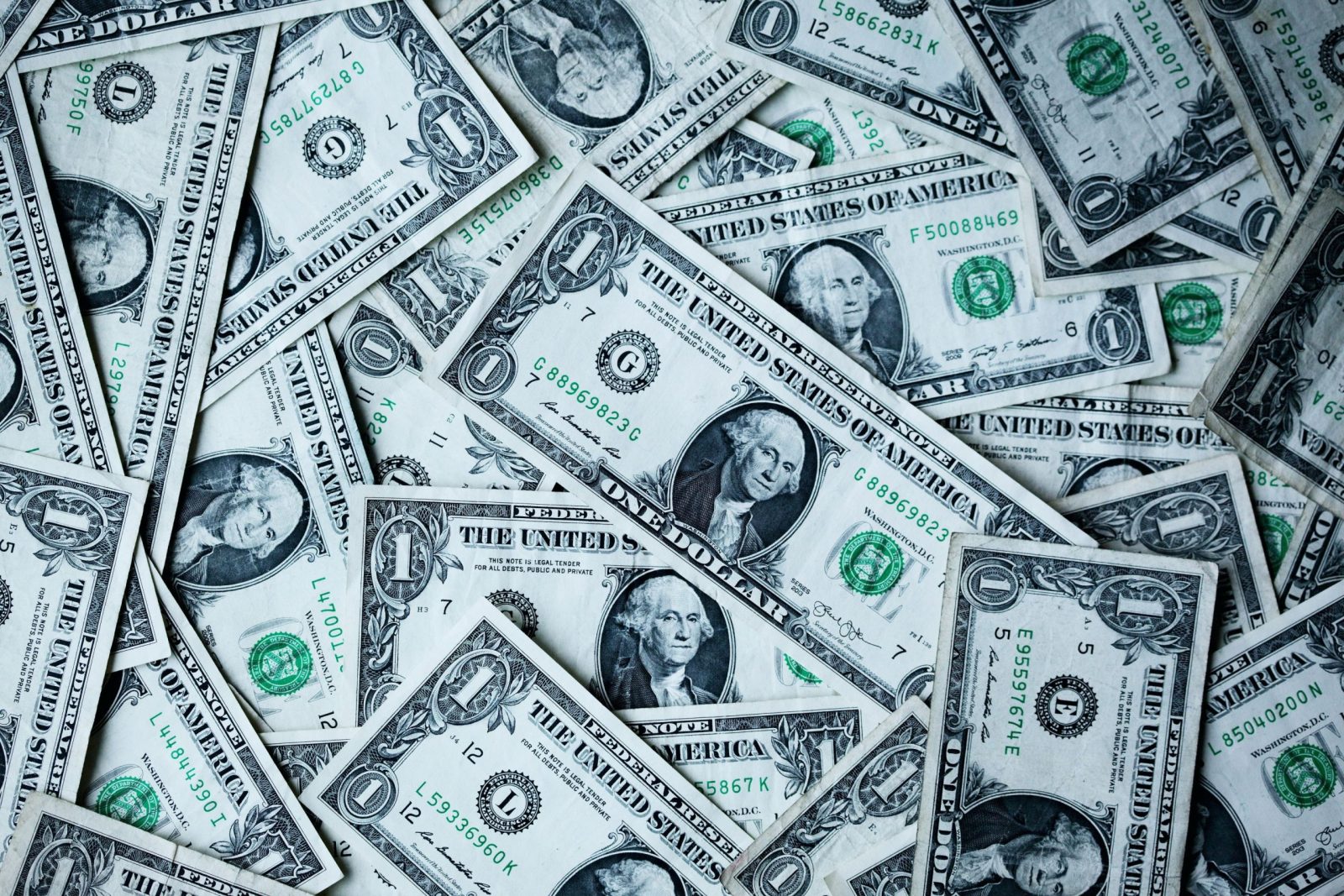
Venmo this, PayPal that. With the rise of digital payment options, physical money is becoming antiquated because it remains inconvenient and difficult to protect.
The list of digital payment methods is growing, and many people are opting for cashless transactions. Credit cards and transfer apps like Venmo have quickly become the go-to choices for many Americans. Does this mean that cash will soon be obsolete?
Several countries outside of the United States have already adopted digital currency as their official currency. According to Bookings, The Bahamas became the first nation to do so, with countries like China, Japan and Sweden following suit.
The first move toward a cashless economy occurred with the rise of credit cards in the 1950s. Over the next two decades, the cards evolved and became a mainstream payment option in the 1970s and 1980s. More recently, cards now include embedded chips and Verifone Tap to make payment seamless and efficient.
According to Expensify, “roughly 1.25 billion people have credit cards, or nearly 16% of the global population.” In the United States alone, over 82% of adults have a credit card.
Venmo, now owned by PayPal, came onto the transaction scene in 2009. Payment apps such as Venmo, Cash App and Zelle have become increasingly popular within Generation Z, particularly with college-aged students. These types of payment options make transferring money from person to person convenient and simple, all contained within your phone.
For college students, carrying cash is not as common as swiping a card or using transfer apps. It is quicker to Venmo request someone after paying for their meal or send money to a friend after they purchase your ticket to a theater production. Transactions through phones and apps erase the need to count out cash.
According to Pew Research Center, 58% of Americans still use cash in some or almost all their weekly purchases. Conversely, 41% claim they use cash for none of their weekly purchases. Although digital payments are becoming more prevalent, cash is still used in over half of the population’s payments, but digital trends are beginning to push cash out of the systems.
According to Congressional Research Service, “Another shortcoming is that holders of physical currency may have little recourse if it is lost, stolen, or accidentally destroyed.”
If someone steals your wallet that was full of cash, unfortunately there is no proof of how much there was. On the other hand, if someone steals your credit or debit card, the bank or credit lender has protections set in place to help recover your money and will usually issue a new card for free.
While cash is still widely used, its decline in relevancy seems inevitable. As the older generations who grew up with only physical money begin to age, cash will become increasingly rare in transactions with younger groups.
Now, I do not believe that cash will soon meet its demise and become a thing of the past, but I would speculate that within the next few decades it will be rendered mostly irrelevant.
Times are changing, so it only makes sense that currency would develop along with the rest of the world.
Long is a staff writer for the Liberty Champion.









Leave a comment