
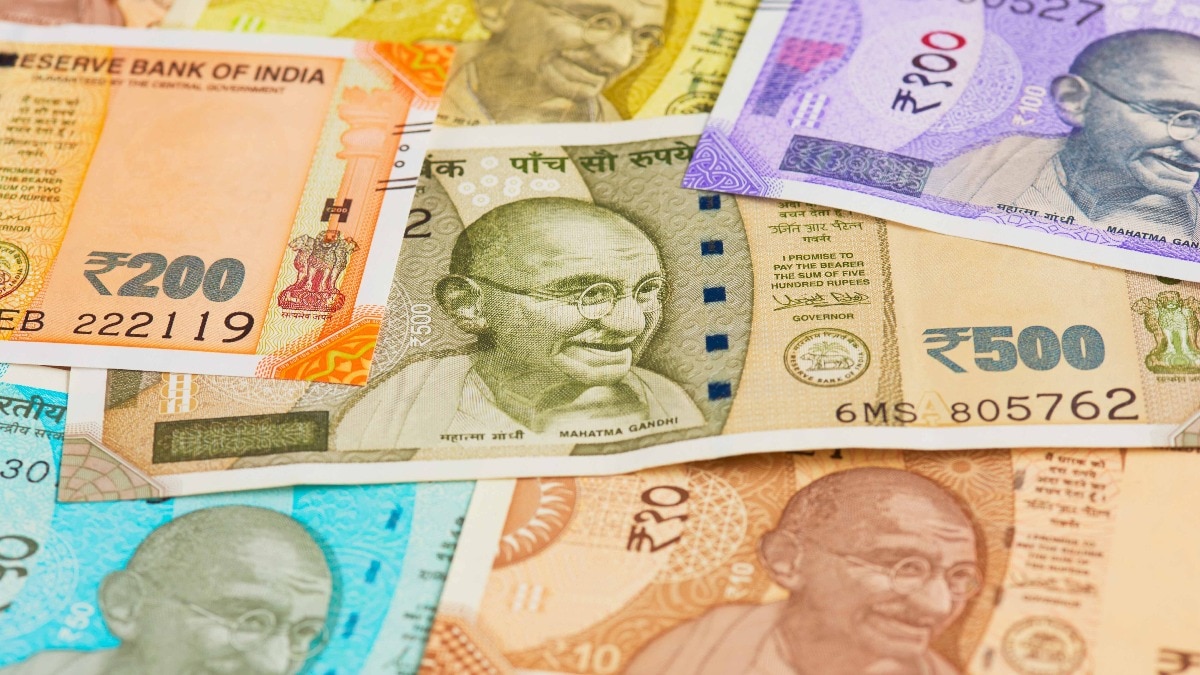
Step into any bustling Indian market today, and the familiar chime of a digital payment notification fills the air. Smartphones have undeniably transformed transactions across the country, weaving UPI into the fabric of daily life. Yet, beneath this digital revolution, a parallel reality persists: India’s relationship with cash remains unyielding. Physical currency continues to serve as the vital bedrock of everyday commerce.
Now, the Reserve Bank of India (RBI) is revisiting an ambitious strategy that could fundamentally alter how hundreds of millions of citizens handle their physical money. The central bank is reportedly preparing to introduce plastic-based polymer banknotes into the ecosystem. This architectural shift in currency design aims to resolve a mounting logistical headache that costs the exchequer billions of rupees annually.
According to sources tracking the development, the RBI plans to initiate this historic transition with lower-denomination notes, specifically the Rs 10 and Rs 20 bills. These are the workhorses of Indian trade — the exact notes that change hands dozens of times a day in local trains, roadside tea stalls, and vegetable markets, bearing the maximum brunt of wear and tear.
Soaring cost of paper
The timing of this pivot is driven by economic necessity. The financial pressure of maintaining a paper-based monetary system is climbing sharply. Banknote printing costs are escalating, driven up by the specialised paper substrate and high-security inks required to stay ahead of counterfeiters.
Simultaneously, the central bank faces a relentless disposal challenge. Every single year, billions of worn-out, soiled, and mutilated paper notes have to be systematically withdrawn from circulation and destroyed. Managing this continuous cycle of printing, distributing, withdrawing, and shredding low-value paper currency imposes a major recurring drain on the banking machinery.
If India successfully scales this transition, it will join a select but growing group of global economies that have completely or partially abandoned cotton-paper currency. The technology, pioneered by Australia in the late 1980s, has repeatedly demonstrated its resilience in diverse climatic and economic environments.
Global Adoption: Who uses polymer notes?
- Australia: The first country to completely transition all denominations to polymer.
- United Kingdom: The Bank of England has transitioned its entire core note suite (£5, £10, £20, £50) to polymer.
- Canada: Fully transitioned to high-durability synthetic polymer notes across all primary denominations.
- New Zealand: Completed a full migration to polymer to handle diverse environmental stressors.
- Singapore & Malaysia: Utilise polymer sheets for high-circulation or specific denominations alongside traditional notes.
- Vietnam & Romania: Early adopters that built extensive national networks around synthetic substrates.











Leave a comment