

By Anthony Isibor
THE Nigerian national oil company may struggle to secure international financing for decarbonisation projects unless it can present credible methane emissions data and clearly defined investment plans, according to the Environmental Defense Fund, EDF.
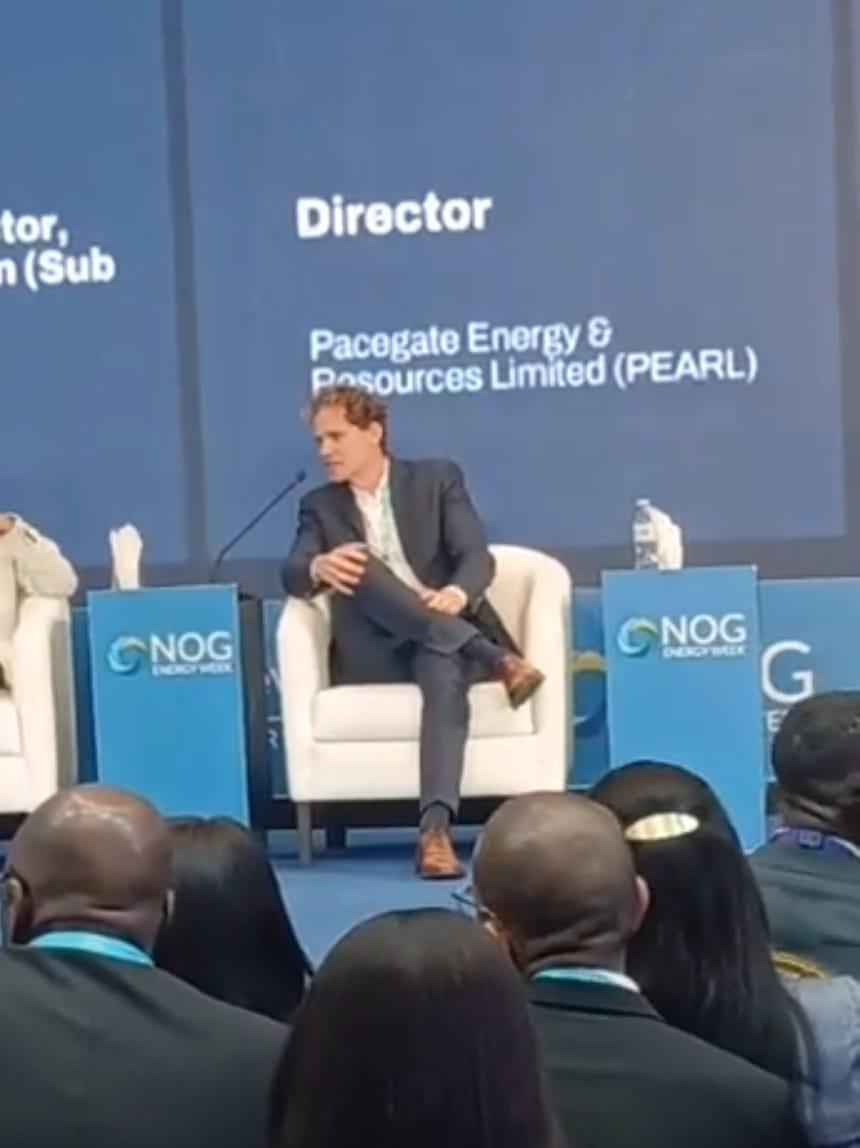
Speaking during a strategic panel session at the 2026 Nigeria Oil and Gas Energy Week, Paul Boeffard, Methane Finance Advisor at EDF, stated that international investors require evidence that funding will be tied to measurable emissions reduction projects.
He noted that although the NNPC has become a commercial entity with identifiable revenue streams, that alone would not be enough to attract climate-focused capital.
“If NNPC asks international investors for hundreds of millions of dollars to finance its activities without a compelling investment story, the funds are unlikely to come,” he said.
According to Boeffard, investors want credible data showing current methane emissions, priority assets for intervention and measurable environmental outcomes before committing finance.
He said that Nigeria has already laid much of the policy foundation by including methane reduction in its Nationally Determined Contributions, NDC 2.0, and committing to end routine gas flaring by 2030.
The challenge now, according to him, is converting those commitments into investment-ready opportunities.
EDF is currently working with the NNPCL to quantify methane emissions across its assets and establish credible emissions baselines.
Once those baselines are established, he noted, the next step is converting them into financial key performance indicators through a sustainability framework that international investors can evaluate.
Earlier, Boeffard described the Nigerian Gas Flare Commercialisation Programme as one of the country’s most innovative regulatory initiatives.
He explained that by separating flare gas from operators’ balance sheets, the programme enables independent developers to recover and commercialise gas that would otherwise be wasted, making such projects eligible for lower-cost climate finance.
However, he noted that many flare gas developers are still struggling to move from licence awards to final investment decisions, prompting EDF to provide technical and financial advisory support.
The session concluded that robust emissions measurement, transparent reporting and credible sustainability metrics will be essential if Nigeria hopes to unlock large-scale international capital for methane reduction and broader decarbonisation projects.
A.I
July 8, 2026
Tags: 2026 Nigeria Oil and Gas Energy Week Paul Boeffard







Leave a comment