
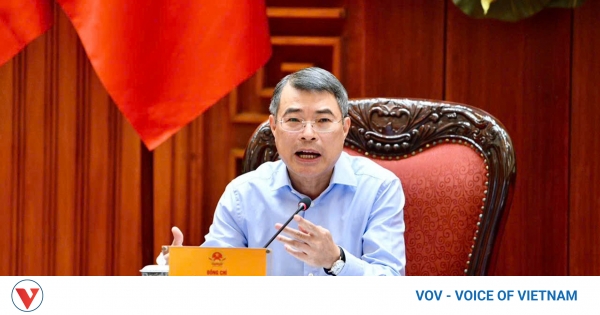
The idea was tabled for discussion at a Government meeting in Hanoi on June 2 to review the progress of the international financial centre project in Vietnam, with Prime Minister Le Minh Hung in the chair.
Initial legal framework and operational structure established
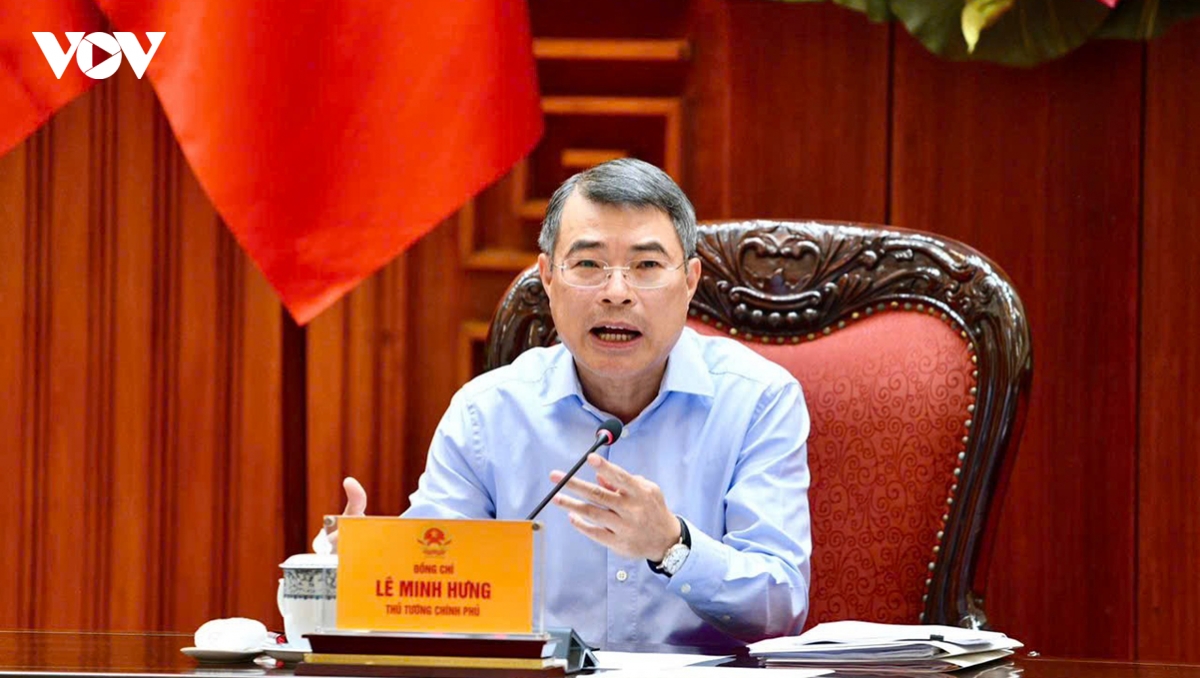
According to reports presented at the meeting, Vietnam has already established the initial legal foundation for the international financial centre under the “one centre, two destinations” model, as stipulated in National Assembly Resolution No. 222/2025/QH15 and eight guiding government decrees.
The framework outlines core principles for operations, mechanisms to attract strategic investors, dispute settlement regulations, and supervisory structures.
Operational bodies in Ho Chi Minh City and Da Nang that host the centre have also been established, with both localities working on organisational structures, personnel arrangements, and preparations for core infrastructure and operating zones.
Authorities are currently working with international financial institutions, banks, investment funds, and global organisations to promote investment cooperation.
At the same time, Vietnam is developing a portfolio of financial products and services tailored to each location, prioritising products linked to trade, investment, and capital mobilisation for major infrastructure projects.
Prime Minister calls for globally competitive mechanisms
Speaking at the meeting, Prime Minister Le Minh Hung stressed that Vietnam has completed the foundational preparation stage for the international financial centre, which involved significant and complex work.
He said priority now is to put the centre into operation with a transparent, clear, and internationally competitive legal framework capable of attracting global investors, alongside effectively mobilising medium- and long-term capital for economic growth.
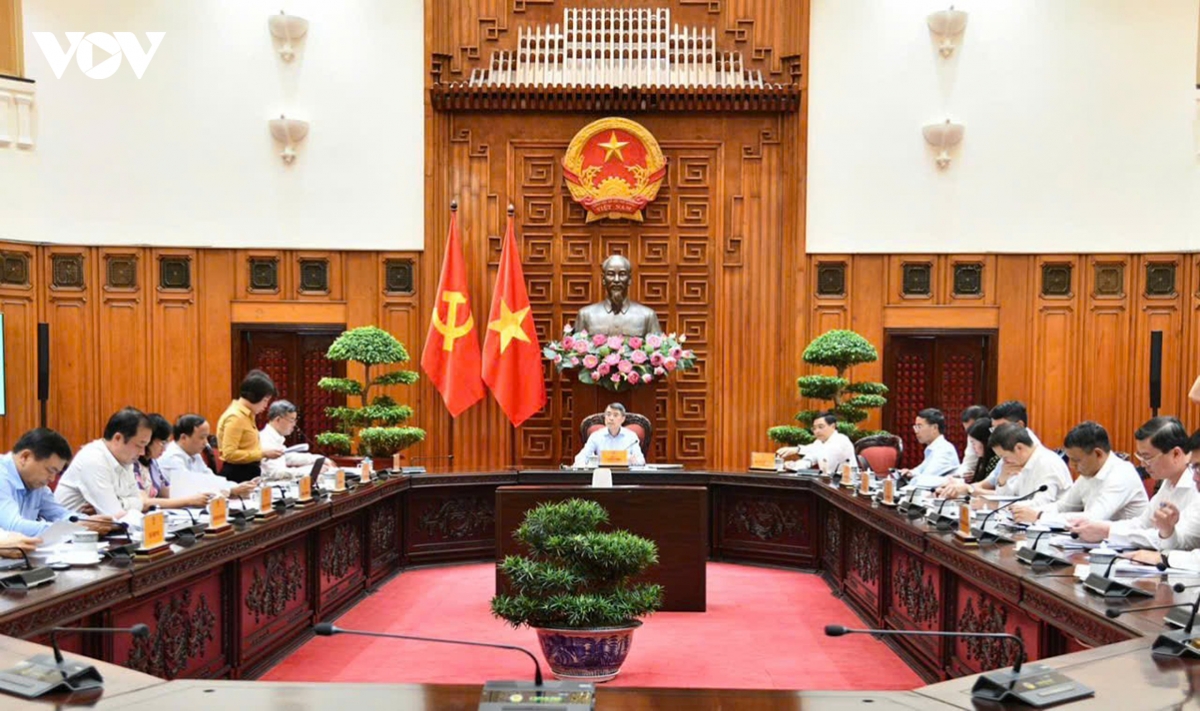
The Prime Minister noted that Vietnam is entering the race later than other regional financial hubs, meaning it must adopt sufficiently competitive mechanisms while still maintaining macroeconomic stability, risk control, and sustainable development.
He assigned Deputy Prime Minister Nguyen Van Thang to serve as Chairman of the Governing Council of the international financial centre, responsible for directly overseeing operations and reporting major issues to the Prime Minister.
Relevant agencies were instructed to finalise additional functions and complete the organisational structure of the Governing Council within this week. The council is expected to finalise its operating regulations before June 10.
Deputy Prime Minister Nguyen Van Thang was also tasked with coordinating with Ho Chi Minh City and Da Nang to develop an appropriate operational management model for the financial centre.
Financial products seen as key to success
The Prime Minister emphasised that financial products and services would be the decisive factor determining the effectiveness of the international financial centre.
He assigned the Ministry of Finance to coordinate with relevant ministries, agencies, and localities to develop a portfolio of financial products, initially prioritising those linked to trade, investment, and infrastructure financing.
The government chief also called for implementation under a flexible approach rather than waiting for a perfect model, while continuing to improve regulations throughout June to create breakthroughs for the centre’s operations.
In addition, authorities were asked to study specialised inspection and supervisory mechanisms under central agencies, and at the same time further refine the legal framework as the international financial centre becomes operational.










Leave a comment