
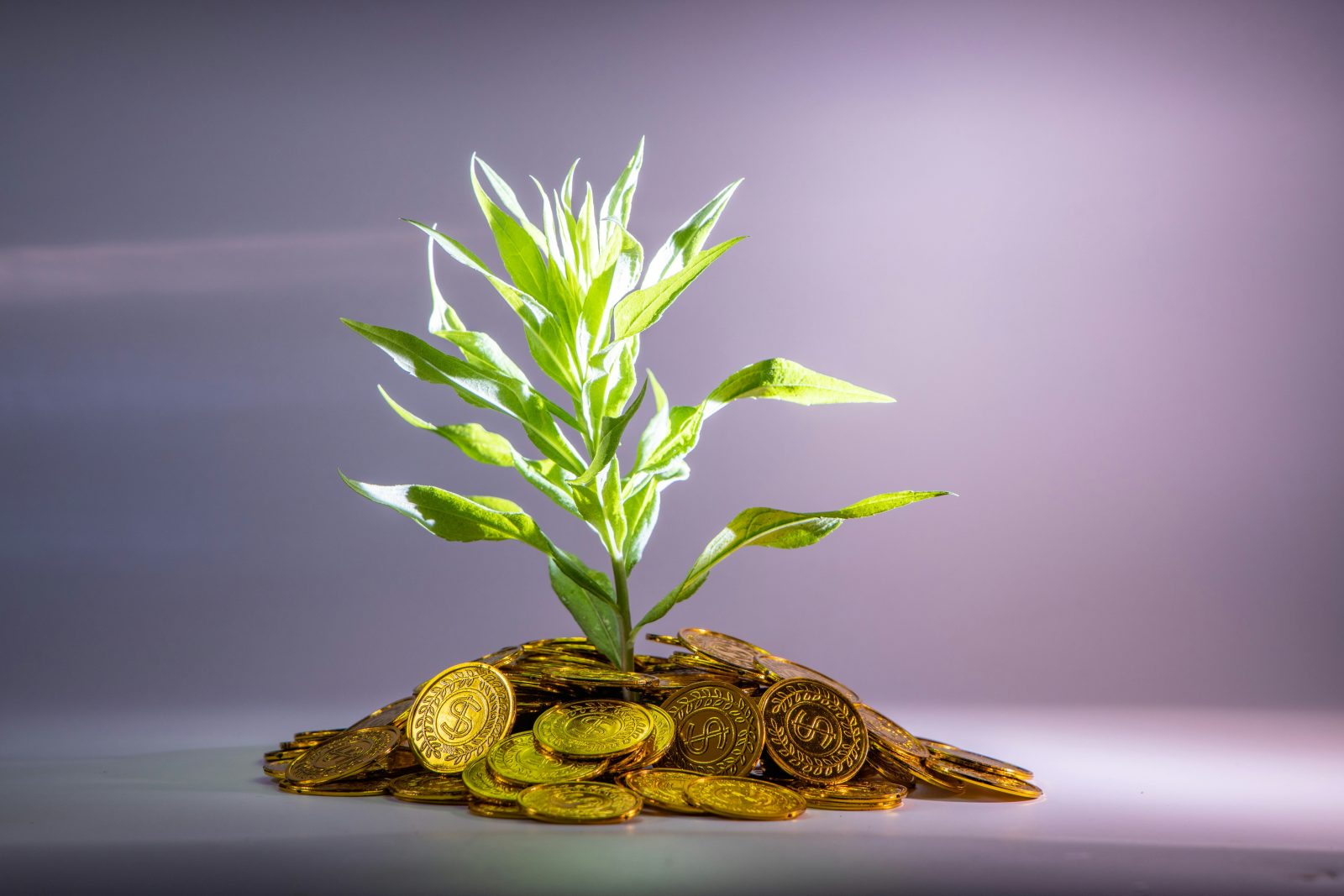
Hard assets have remained a cornerstone of wealth building for generations, offering a level of stability and intrinsic value that paper and digital assets often cannot match. In a financial world increasingly dominated by intangible investments, betting on hard assets continues to serve as a practical strategy for those seeking long-term resilience. These investments—ranging from real estate and precious metals to commodities and infrastructure—carry real-world utility and scarcity, making them an essential component of a diversified portfolio.
Why Physical Assets Hold Lasting Value
Hard assets possess inherent worth because they are tied directly to physical resources, land, and materials essential to global functioning. Unlike stocks, bonds, or digital currencies, their value does not depend solely on financial markets or third-party confidence. They stand independently, making them especially appealing during economic downturns or market turbulence. Investors often turn to these assets when uncertainty grows, drawn to their capacity to retain or grow value when other investments falter.
This sense of reliability is complemented by the tangible nature of these assets. Holding something physically real—whether a property, a bar of gold, or a stake in infrastructure—provides peace of mind that abstract assets cannot replicate. These assets also have long histories of performance, often showing consistent appreciation over decades or even centuries. This combination of physical presence and proven endurance contributes greatly to their appeal.
A Time-Tested Hedge Against Inflation
One of the strongest reasons investors incorporate hard assets into their portfolios is their effectiveness in protecting against inflation. As the cost of goods and services rises, the value of tangible assets typically follows. Real estate often experiences increasing demand in inflationary periods, which can push property values and rental income higher. Commodities also tend to rise alongside inflation because they become more expensive to produce and transport.
Gold remains one of the most well-known inflation hedges. Throughout periods of high monetary expansion, currency devaluation, or geopolitical strain, gold prices frequently surge. Holding assets that appreciate along with rising prices helps preserve purchasing power in the long term. This inflation-resistant quality makes hard assets an essential buffer against economic cycles that weaken cash and many financial instruments.
Strengthening Portfolios Through Diversification
Hard assets play a pivotal role in reducing overall portfolio risk. While stock and bond markets may react sharply to corporate news, global events, or shifting investor sentiment, hard assets often move under different economic forces. Their performance is largely influenced by real-world supply and demand, making them less tied to financial market volatility.
For example, agricultural land may maintain its value or produce steady income even during stock market declines because global food demand remains constant. Infrastructure assets—such as utilities or transportation projects—offer long-term value because society continually depends on them. This uncorrelated behavior helps balance portfolio fluctuations, providing a stabilizing effect during uncertain periods.
Key Categories of Hard Assets
Real estate is one of the most widely recognized hard assets, offering income potential and long-term appreciation. Residential, commercial, and industrial properties each bring unique advantages, from rental income to tax benefits. Real estate is also closely linked to population growth and urban development, providing steady demand over time.
Precious metals like gold, silver, and platinum are frequently sought for their stability in turbulent markets. They have centuries of history as stores of value and are still relied upon during global financial instability. Commodities such as oil, natural gas, grain, and metals like copper and aluminum are also central to global industries. Infrastructure projects—including energy grids, water systems, and transportation networks—offer opportunities for long-term, income-generating investment backed by essential everyday needs.
Geopolitical Forces and Global Market Influence
The value of hard assets is often influenced by geopolitical developments and international trends. Political tensions, trade disruptions, and resource shortages can quickly impact commodity prices or demand for infrastructure investments. For instance, fluctuations in global oil supply can significantly affect energy markets, benefiting those positioned in related assets. Similarly, tensions affecting the agricultural sector may boost demand for farmland or key crops.
Global economic growth also supports strong performance in hard assets. Urbanization, population increases, and expanding middle classes in emerging markets all contribute to rising demand for real estate, metals, energy, and food resources. As developing nations modernize, investments tied to essential global resources tend to appreciate, enabling investors to benefit from long-term structural trends.
Building Stability in a Digitally Driven Landscape
Although the financial world is increasingly digital—with algorithmic trading, high-growth tech stocks, and cryptocurrencies becoming more common—hard assets provide grounding and balance. They offer dependable, real-world value at a time when markets can fluctuate within seconds based on digital sentiment or automated systems. By blending tangible assets with modern investments, portfolios become more resilient and better positioned for long-term success.
Hard assets are not meant to replace innovative financial tools but to complement them. They provide the steady foundation that helps investors weather market instability and economic uncertainty. As the global financial landscape evolves, betting on hard assets remains a timeless strategy rooted in stability, scarcity, and enduring utility.





Leave a comment