
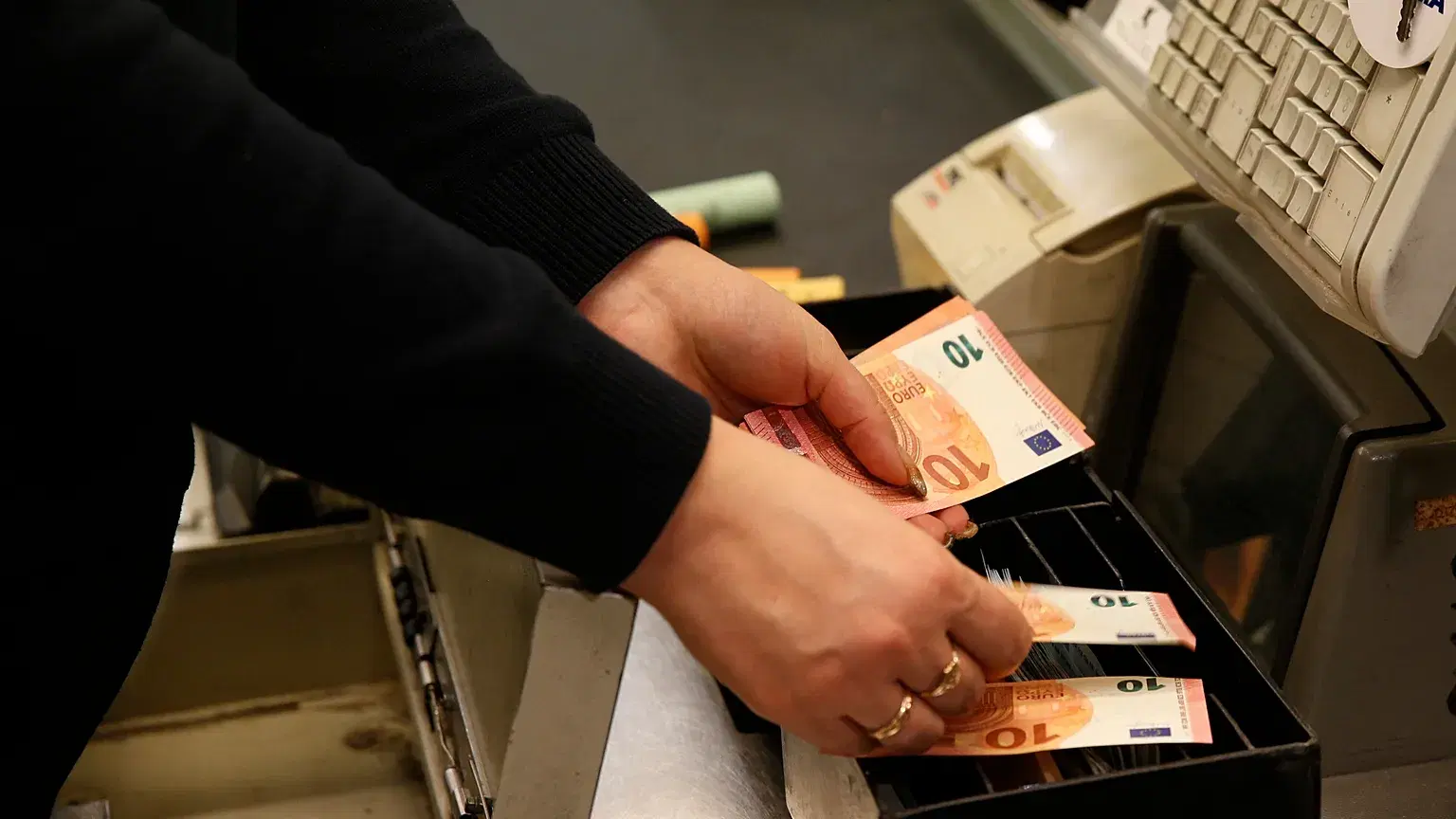
Even in the digital age, cash remains central to daily life in many countries of the world.
In 2025, a few countries still rely heavily on physical banknotes and coins for transactions.
Data from Forex.se, compiled by EconomyRanked, ranks countries by the share of daily transactions completed in cash, highlighting how economic development, banking infrastructure, and access to digital payments influence cash dependence.
1. Myanmar – 98%
Myanmar tops the list, with nearly all transactions conducted in cash. Limited banking infrastructure and low access to digital payment systems make cash the default for daily trade.
2. Ethiopia – 95%
Ethiopia also depends heavily on cash. Many citizens operate outside formal banking channels, particularly in rural areas, making coins and notes essential for commerce.
3. The Gambia – 95%
In The Gambia, cash dominates the economy. The country’s limited digital payment systems and high reliance on informal markets keep physical money at the center of everyday transactions.
4. Albania – 90%
Albania’s economy is similarly cash-heavy. Many small businesses and local markets continue to operate primarily with physical currency rather than digital alternatives.
5. Cambodia – 90%
Cambodia relies heavily on cash, despite increasing digital adoption in urban areas. Rural communities, in particular, continue to transact predominantly with coins and notes.
6. Laos – 90%
In Laos, cash remains the preferred payment method across most sectors. Banking penetration is limited outside major cities, sustaining high reliance on physical money.
7. Lebanon – 90%
Lebanon sees 90% of daily transactions conducted in cash. Economic instability and banking crises have further entrenched the use of physical currency.
8. Nepal – 90%
Nepal also depends on cash, particularly in rural regions where access to banks and digital payment infrastructure is scarce.
9. Pakistan – 90%
Cash remains dominant in Pakistan’s economy. Informal markets and small businesses largely bypass digital payment systems, keeping coins and notes central to commerce.
10. Iraq – 85%
Iraq rounds out the top ten, with the majority of transactions still conducted in cash. Security concerns and limited digital payment adoption contribute to high cash usage.
These countries illustrate that despite global trends toward digital payments, poverty, limited banking infrastructure, and informal economies continue to make cash indispensable in many parts of the world.











Leave a comment