

Key Takeaways
- U.S. authorities have confiscated approximately $1 billion in digital currency assets connected to Iran, twice the amount previously reported in April.
- Secretary Bessent revealed that crypto wallets were seized and certain holders remain unaware of the confiscation.
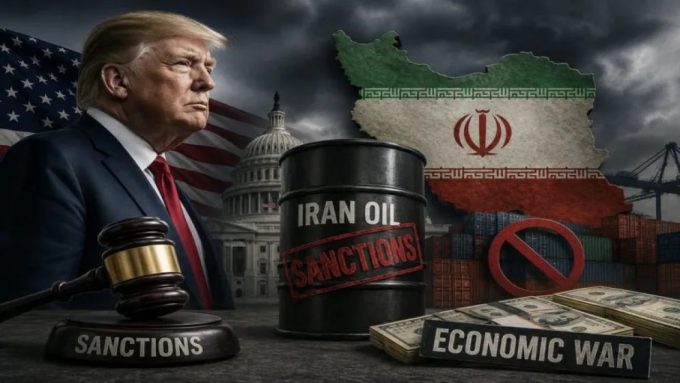
- These confiscations are part of Operation Economic Fury, a financial pressure initiative that began in March 2025 targeting Iranian revenue streams.
- Tehran confronts severe economic distress including inflation exceeding 200%, food rationing, connectivity blackouts, and salary defaults for military forces.
- Iranian authorities have been developing a Bitcoin-powered insurance system for maritime traffic through the Strait of Hormuz.
Treasury Secretary Scott Bessent disclosed Friday that the United States has confiscated around $1 billion in digital currency holdings associated with Iran. Speaking at the Reagan National Economic Forum, Bessent stated that officials had “just outright grabbed the wallets.”
Bessent noted that certain wallet holders might still be unaware their assets have been seized. “Some of them may be typing in right now and not have realized that their wallet had been grabbed,” he remarked.
This total represents approximately double the $500 million in Iranian digital assets the Treasury Department disclosed in late April. The amount also significantly exceeds the $344 million that was frozen following sanctions imposed by the U.S. Office of Foreign Assets Control on Iran-connected wallets on April 24.
Understanding Operation Economic Fury
These asset seizures form part of a comprehensive financial pressure strategy known as Operation Economic Fury. Initiated in March 2025, the operation aims to dismantle Iranian financial infrastructure across various platforms — encompassing cryptocurrency, traditional banking systems, and international property holdings.
The Treasury Department has additionally sanctioned organizations alleged to be providing weapons technology to Iran and blacklisted an Iraqi government official accused of enabling Iranian petroleum transactions in coordination with Iran-aligned militant groups.
Bessent indicated the strategy is producing results. He characterized Iran as being “at the end of their Tether now financially.”
Prior to U.S. intervention, Iranian leadership allegedly transferred between $400 million and $500 million monthly. These funds were reportedly distributed among approximately 80 high-ranking regime officials.
Economic Crisis Deepens in Iran
The domestic economic situation within Iran appears increasingly severe. Bessent reported that inflation has potentially exceeded 200%, food distribution programs through vouchers have been implemented, and internet access has been restricted in multiple regions.
He further revealed that between 40 and 50 percent of Iranian military personnel are experiencing payment delays, while law enforcement officers are increasingly absent from duty. The Treasury secretary emphasized these circumstances stem directly from the financial offensive targeting the regime.
Bessent also addressed the challenging nature of current negotiations with Iran. Diplomatic discussions have grown more complicated due to fragmented leadership following targeted U.S. and Israeli military operations against high-level Iranian officials.
The cumulative impact of these military actions, coupled with relentless financial pressure, has significantly undermined Tehran’s position entering potential diplomatic engagements.
Tehran’s Cryptocurrency Revenue Strategy
Despite facing economic hardship, Iran has been investigating methods to leverage cryptocurrency for income generation. Government documents referenced by Fars News Agency — a publication with close ties to the Islamic Revolutionary Guard Corps — described a proposal named “Hormuz Safe.”
The initiative would offer digital maritime insurance for vessels navigating the Strait of Hormuz, with premiums paid in Bitcoin and transactions processed via blockchain technology. The proposal reportedly estimates potential revenues exceeding $10 billion.
In early April, a representative from Iran’s Oil, Gas and Petrochemical Products Exporters’ Union announced that vessels could secure passage through the strait by remitting a fee of $1 per barrel of petroleum in Bitcoin.













Leave a comment